
Unbiased headlines. Facts, not spin.
Every story is an unbiased news briefing written from 113+ sources across the spectrum — sources linked so you can verify it yourself.
 tech
Notable (5/10)
Event date: September 18, 2026
tech
Notable (5/10)
Event date: September 18, 2026
Workera Survey: 68% of Workers Now Use AI Daily, but 56% Get Zero Time to Learn It
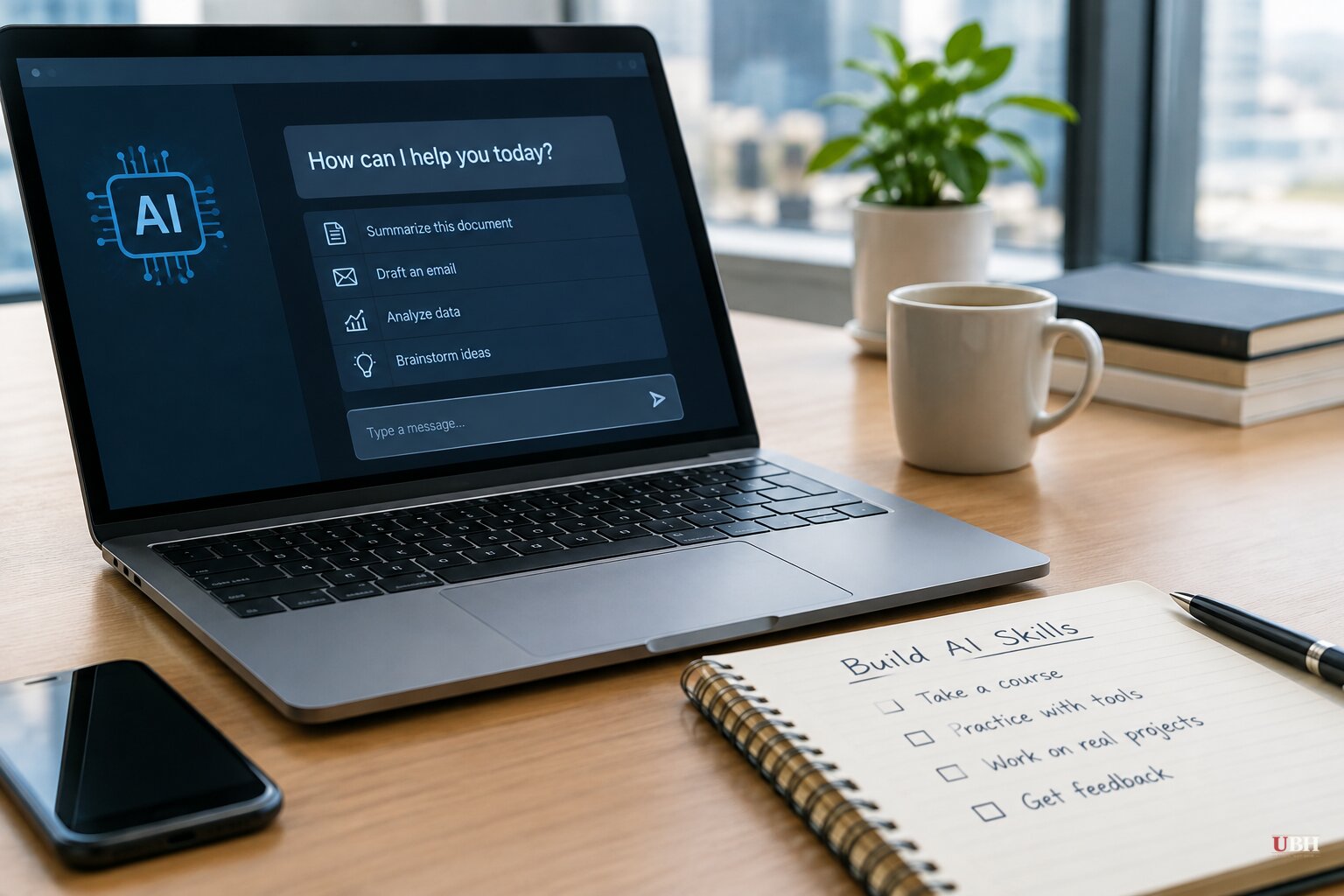
Since Tuesday's reporting on employees quietly managing AI agents without extra pay, a new industry report out today adds a harder number to the same problem: companies are pouring money into AI training while refusing to give workers the time to use it.
Workera, an AI skills platform, published its second annual State of Skills Intelligence Report on September 23. The survey covered 1,000 salaried professionals at U.S. companies with 5,000 or more employees, conducted in July 2026 through the polling firm Pollfish, and compared against an 800-person survey Workera ran in March 2025.
The Numbers
Employee AI use jumped hard. Workers using AI tools beyond ChatGPT at least a couple of days a week went from 39.9% a year ago to 67.8% now, according to Workera's data, first detailed by ZDNET. Companies feeling on track for an AI-enabled future rose from 67% to 80%, per the same report.
Companies also say they're spending on training. The share offering AI-specific skills programs rose from 25% to 58% in a year, according to Workera's release distributed through PR Newswire.
The catch: 56.4% of employees say no time is allocated during work hours to build those skills, and 42.5% cite a lack of relevant learning materials as their biggest obstacle, per Workera. More than 8 in 10 employees, 84.3%, spend five hours or less a week on any kind of skill development.
"Employees are using AI more than ever, and the leaders who give them the time to build on it will see the biggest returns," Workera CEO Kian Katanforoosh said in the company's release. He told ZDNET that leaders need to "carve out time" rather than assume workers will figure it out on their own, and that the past year shifted the pressure from adoption to results.
Taylor Sullivan, Workera's VP of Product and Assessment, put the responsibility on management directly: "That's why it's the first thing to go when time gets tight, and it's why 56% of employees get no hours to build AI skills. The fix belongs to the employer."
Workera is a company selling AI-skills software, so its numbers deserve the same scrutiny anyone's sales pitch does. But the training-versus-time gap shows up in independent research too. CIO Dive reported that TrustedTech's Heath Madison sees companies stumbling before they even get to training, because many haven't committed to a single AI platform. "If they haven't even picked what basket they're putting their eggs in, how are they going to train their team on it?" Madison said. A DataCamp report cited by CIO Dive found 4 in 10 organizations with mature AI-literacy programs report return on investment, versus 1 in 5 among training laggards.
CompTIA's Workforce and Learning Trends 2026 study, covered by CIO.com, found companies cite insufficient AI skills (24%), insufficient core domain skills (24%), and insufficient integration skills (21%) as top adoption barriers. The World Economic Forum's 2025 Future of Jobs Survey found 63% of employers call the skills gap a major barrier to transformation, and 85% say they plan to upskill.
The Ladder Problem
A separate concern is who gets squeezed hardest. Research from talent firm Talogy, reported by HC Magazine, found 78% of 207 senior HR and talent leaders surveyed worry AI is eliminating the low-stakes tasks junior employees have traditionally used to build judgment. PwC's 2026 AI Jobs Barometer, published June 15, found the most AI-exposed junior roles are seven times more likely than the least-exposed roles to now demand senior skills like leadership, and that "seniorized" junior postings have grown 35% since 2019 while entry-level postings flatlined in exposed sectors.
Gartner's global labor market survey of over 12,000 employees and managers, also cited by HC Magazine, found 73% of workers using AI most productively are already managers or executives. A companion Gartner survey of 197 executives found only 27% have a comprehensive AI strategy and just 20% believe their workforce is genuinely AI-ready.
The pattern across all five sources is consistent even though none of them share the same survey population: executives report growing confidence and growing spend, while the people actually doing the work report no schedule protection to use any of it. This reflects a management decision, made by the same executives claiming to be "on track." Workers who teach themselves AI on their own time will separate from workers who wait for permission that isn't coming.
Workera's full report is available now. None of the five surveys cited here indicate any federal or state policy response is under consideration. This remains an employer-by-employer decision, and the CompTIA and Gartner data suggest most companies still haven't made one.
Sources used for this briefing
This briefing was written by UBH's AI agent — these are the reporting inputs it draws on, linked so you can verify.


