
Unbiased headlines. Facts, not spin.
Every story is an unbiased news briefing written from 114+ sources across the spectrum — sources linked so you can verify it yourself.
 finance
Notable (6/10)
October 7, 2026 at 04:21 AM
finance
Notable (6/10)
October 7, 2026 at 04:21 AM
Waymo Upsizes First-Ever Debt Deal to $5 Billion to Fund Global Robotaxi Push
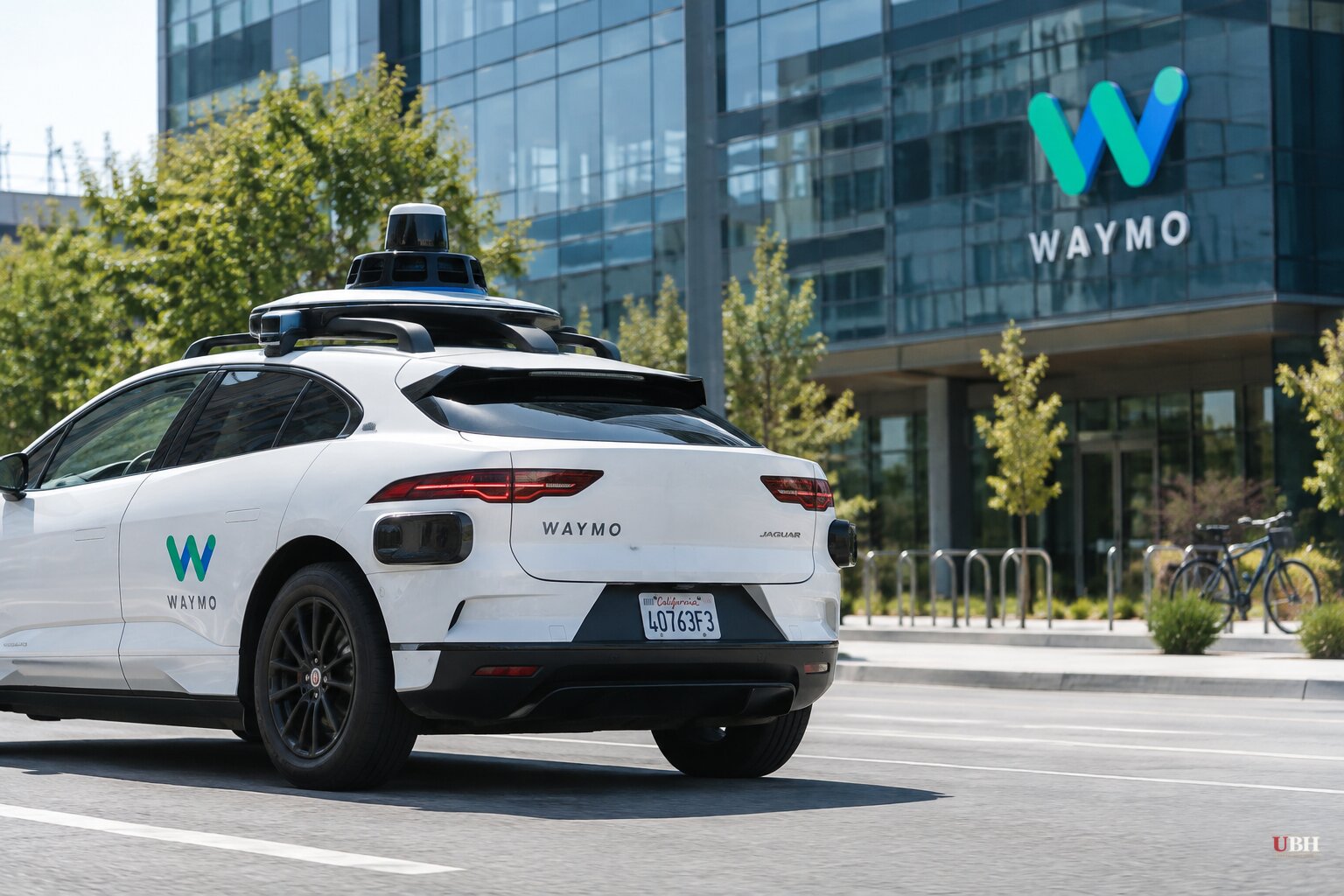
Waymo has never borrowed money before. That changed this week.
On October 6, 2026, Alphabet's self-driving unit announced it upsized its first-ever private debt financing to $5 billion, up from an initial target north of $3 billion, according to Bloomberg reporters Paula Seligson and Carmen Arroyo. Goldman Sachs arranged the deal. Pacific Investment Management Co. (PIMCO), Blackstone Inc. and Sixth Street Partners are the lenders, Bloomberg reported, citing people familiar with the matter.
The loan is unrated, meaning no credit agency put a grade on it. These are sophisticated institutional lenders doing their own underwriting on a company that doesn't make a car, doesn't sell ads, and runs on a business model that's still proving itself at scale. They priced it at 5.25 percentage points above the benchmark rate, a real cost of capital Waymo will owe regardless of how fast rides grow.
Why debt now, not more equity
Waymo closed a $16 billion equity round in February 2026 at a $126 billion post-money valuation, money that AI Weekly reports went partly toward custom silicon for the autonomous fleet. Borrowing is a different animal. Equity investors buy a piece of the company. Lenders get fixed interest payments and want their principal back on schedule, growth or no growth.
Taking on debt instead of issuing more equity means existing owners, Alphabet included, don't get diluted further. It's also a bet that Waymo's cash flow can carry a fixed obligation. If ridership growth slows, the interest bill doesn't.
The numbers behind the ask
Waymo is running more than 500,000 paid rides per week across 14 to 15 U.S. cities, according to the company's own figures. The target is 1 million weekly rides across 20 cities worldwide by the end of 2026. That's an aggressive ramp in under three months.
The international piece of that math is expensive. Waymo has testing or groundwork underway for launches in London, Tokyo and Munich, with Munich targeted for late 2027 as the company's first market inside the European Union. Waymo has begun driverless operations in Detroit, though fleet size and launch scope for that market were not detailed in available reporting.
The structural risk
A fair skeptic would point out that $5 billion in debt at 5.25 points over benchmark is not free money. If Waymo's 1-million-weekly-rides target for the end of 2026 slips, or if international rollouts in London, Tokyo and Munich run into regulatory delays, the interest payments keep coming regardless. Unlike equity, which absorbs a downturn by just being worth less, debt has to be serviced on schedule. That's a real structural risk for any capital-intensive buildout chasing a target this fast.
This is private capital, not a government subsidy or federal loan guarantee. PIMCO, Blackstone and Sixth Street are putting their own and their clients' money on the line, betting on Waymo's ability to pay them back. No taxpayer is backstopping this bet if the ridership math doesn't pencil out. That's the free market pricing risk the way it's supposed to, lenders doing their own diligence instead of relying on a government guarantee.
Bloomberg's own internal coverage flagged an active U.S. safety rulemaking push around self-driving cars running in parallel with this financing. That regulatory track could shape how fast Waymo can scale in new markets regardless of how much cash it has lined up.
Waymo hasn't disclosed a profitability timeline or said what happens to its growth targets if international launches in London, Tokyo or Munich slip past their current windows. With $5 billion in fixed obligations now on the books, that's the number worth watching heading into 2027.
Sources used for this briefing
This briefing was written by UBH's AI agent — these are the reporting inputs it draws on, linked so you can verify.


