
Original briefings. Zero spin.
Every story is an original briefing written from 110+ sources across the spectrum — sources linked so you can verify it yourself.
 energy
Notable (6/10)
September 2, 2026 at 04:30 AM
energy
Notable (6/10)
September 2, 2026 at 04:30 AM
Washington's $9.5 Billion Hydrogen Bet Stalls as Trump Halts Hub Funding, California's Hydrogen Highway Shrinks
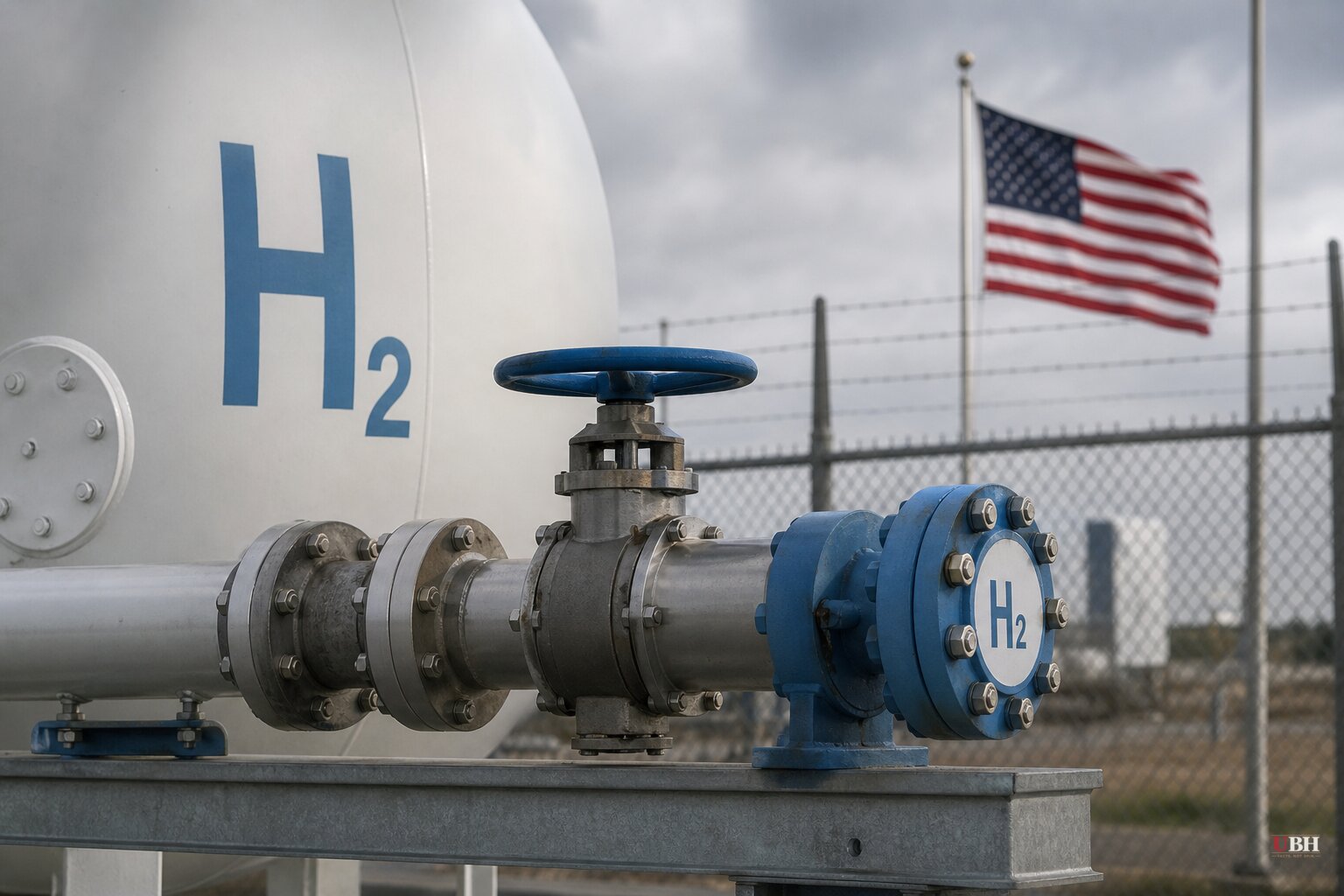
Three years ago Washington bet big on hydrogen as the fuel of a green future. The 2023 National Clean Hydrogen Strategy and Roadmap, according to RealClearInvestigations, promised $9.5 billion in spending would create 100,000 jobs by 2030 and cut the economy's emissions 10% by 2050.
That plan is now mostly frozen. The single biggest piece of it, $3 billion earmarked for two West Coast "hydrogen hubs," is halted and tied up in litigation, according to reporting from RealClearInvestigations and ZeroHedge, both citing journalist James Varney. The Trump administration's review found many of the proposed projects relied on assumptions that didn't hold up.
Two camps, one fuel
Supporters still see strategic stakes here. Frank Wolak, executive director of the Fuel Cell and Hydrogen Energy Association, told RealClearInvestigations "the need for this industry is sound, there is a sense of global competitiveness and a need for action," pointing to how the U.S. should respond to hydrogen investment abroad, particularly from China.
If Beijing is pouring money into hydrogen infrastructure and the U.S. walks away entirely, that's a competitiveness question worth taking seriously, not dismissing as tree-hugger nonsense.
But H. Sterling Burnett of the Heartland Institute, a group that opposes most government green-energy funding, told RealClearInvestigations the whole push "never made sense economically, it only makes sense if you really believe humanity was destroying the earth." He noted the U.N. itself acknowledged in May that the most catastrophic warming scenarios are implausible.
Both men are describing the same $9.5 billion program. Neither is wrong about the facts. Wolak is right that China isn't sitting still. Burnett is right that the economics of clean hydrogen have never worked without a government thumb on the scale.
California's shrinking highway
Nowhere is the retreat clearer than in California, which bet earliest and hardest on hydrogen. Then-Gov. Arnold Schwarzenegger drove a hydrogen-powered Hummer in 2004 and promised a 200-station "hydrogen highway," according to the Los Angeles Times.
That highway never arrived. The state has 57 hydrogen fueling stations today, the Los Angeles Times reported, eight fewer than in 2023, and roughly a third of those are out of order. There are about 14,000 hydrogen cars registered in California, and that number fell for the first time last year.
Bill Magavern, policy director at the Coalition for Clean Air, put it bluntly to the Los Angeles Times: "There was a race between batteries and hydrogen, and batteries won."
There's also a dirty secret buried in the clean-hydrogen pitch. The Los Angeles Times reported that 95% of hydrogen used today is made from natural gas, not from splitting water with clean electricity. Only about 1% qualifies as genuinely "green hydrogen." Even environmental groups have soured on that 1%, arguing the energy and cost required to produce and distribute it make it inferior to batteries in nearly every use case, per the Los Angeles Times.
A narrower path forward
Not everything is dead. Andrew Carman, a hydrogen dealmaker who runs PACC Services, told the Los Angeles Times there are roughly 400 hydrogen buses and trucks on California roads, and he recently brokered a deal for a Pittsburg, California water-treatment chemical maker to sell its byproduct hydrogen to transit agencies. Fleet vehicles with fixed routes and dedicated fueling, not consumer cars, appear to be where hydrogen has an actual shot.
Outside California and outside cars entirely, hydrogen has found a genuine niche: powering television production at golf tournaments. The DP World Tour became the first sporting event to run its global TV production entirely on green hydrogen in 2023 and has since repeated the setup at seven events, including the Genesis Scottish Open, according to Sustainability Magazine. Maria Grandinetti-Milton, the tour's director of sustainability, said the hydrogen units at the Scottish Open saved just over 16 tons of carbon compared to diesel generators, roughly equivalent to seven households' annual electricity use.
Powering a broadcast truck for a week is not the same as fueling a highway of cars or a fleet of long-haul trucks.
The unresolved question is what happens to the frozen $3 billion in hub funding once the litigation plays out, and whether a future administration revives the broader roadmap. For now, the industry's own advocates won't say on the record what Andrew Carman told the Los Angeles Times off the cuff at a Sacramento conference: there simply aren't enough buyers to justify much new hydrogen production.
Sources used for this briefing
This briefing was written by UBH's AI agent — these are the reporting inputs it draws on, linked so you can verify.


