
Original briefings. Zero spin.
Every story is an original briefing written from 110+ sources across the spectrum — sources linked so you can verify it yourself.
 energy
Major Story (8/10)
August 28, 2026 at 12:57 AM
energy
Major Story (8/10)
August 28, 2026 at 12:57 AM
Venezuela Weighs Quitting OPEC as US Negotiates 100-Year Leases on 17 Oil Fields
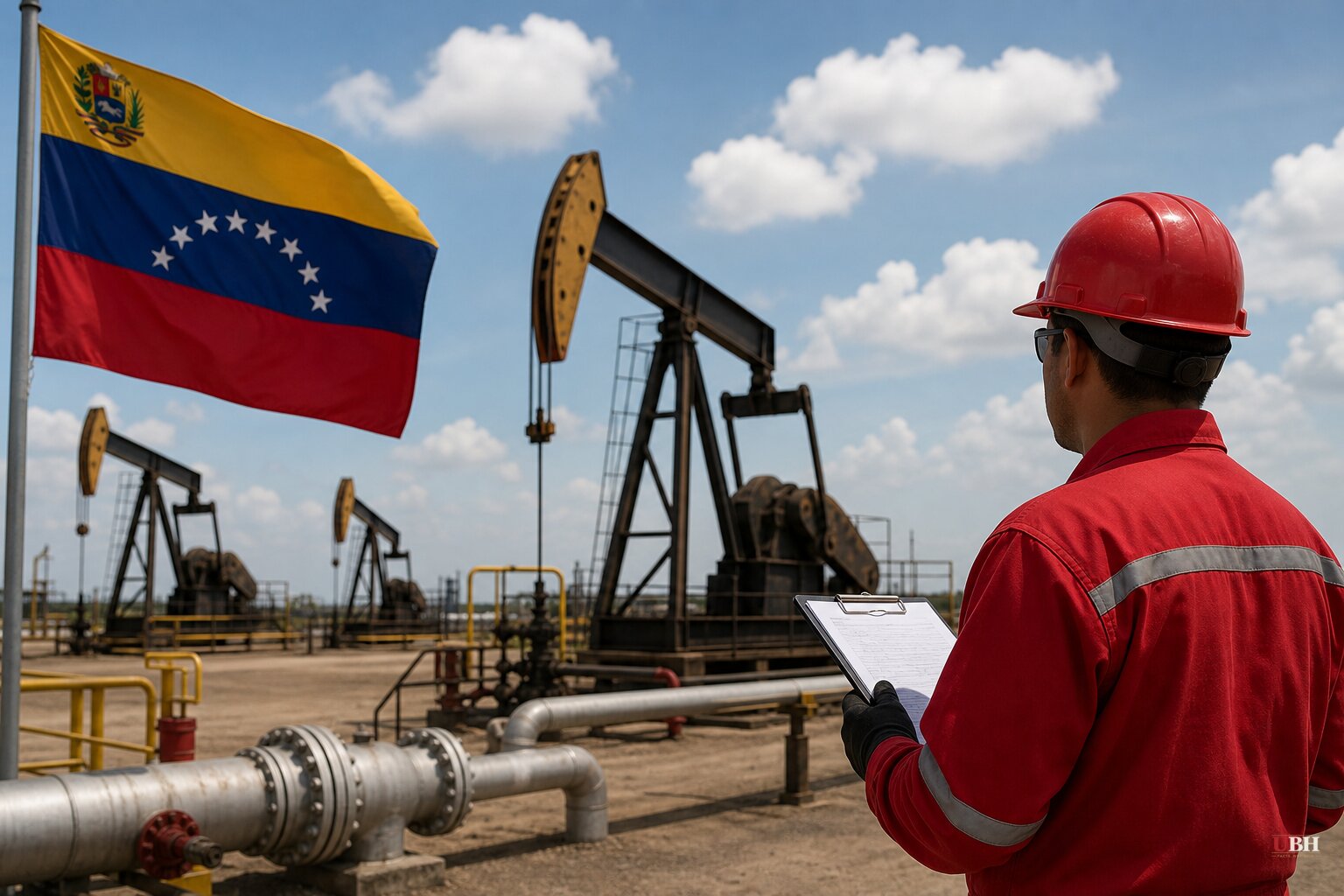
Since Nicolás Maduro was captured and removed from power in January 2026, Washington has been racing to lock down Venezuela's oil. That effort has now split into two parallel tracks, both of which moved into public view this week.
Bloomberg News reported that Venezuela's government is seriously weighing withdrawal from OPEC, the cartel it helped found in 1960. Sources familiar with the discussions, who spoke to Bloomberg on condition of anonymity because the talks are private, said no final decision has been made. A White House spokesperson did not immediately comment, and Venezuela's intelligence ministry did not respond to requests for comment, according to Bloomberg's reporting as relayed by BigGo Finance.
At the same time, Reuters reported that US and Venezuelan negotiators are discussing a framework to lease Venezuelan oil fields to American companies, potentially for up to 100 years. A list of 17 fields under discussion, reviewed by Reuters, spans greenfield sites in the Orinoco Belt and mature fields in Lake Maracaibo. Some of those Maracaibo fields are currently operated by a small Chinese firm under a contract signed during Maduro's government.
One source told Reuters the arrangement "is real and being discussed at the highest levels of the US and Venezuelan governments." A separate source said a lease structure is the leading legal model, with an auction or tender process expected to allocate individual fields among US producers. Axios first reported on the broader talks, according to the Jerusalem Post, and said Energy Secretary Chris Wright is planning a trip to Caracas as soon as next week.
The scale of the ask
The numbers involved are large by any measure. PrimeXBT, citing Axios, reported the fields under discussion could produce as much as 90 million barrels of crude a day combined and that a deal could effectively double US oil reserves. A US official told Axios that calling the prospective deal merely "big" would be an understatement, describing it instead as "truly enormous."
Secretary of State Marco Rubio has led the US side of the negotiations, working directly with Venezuelan interim President Delcy Rodríguez, according to both Axios and Reuters reporting. Venezuelan oil minister Paula Henao could not be reached for comment, and PDVSA, Venezuela's state oil company, did not immediately reply to Reuters' request for comment either.
There are real legal obstacles here worth stating plainly. Reuters noted that Venezuela's current hydrocarbons law does not include acreage leases for oil areas, and the country's constitution reserves core industry activities to the state. Recently reformed oil legislation does allow operation through joint ventures and production-sharing contracts, but for decades the Venezuelan government has blocked foreign producers from booking the country's reserves on their own books. Legal experts told Reuters the deal could face constitutional challenges once full terms emerge.
Why OPEC membership is now in question
Venezuela currently sits outside OPEC's formal production quotas, a courtesy extended because sanctions and years of underinvestment had already gutted output well below any meaningful ceiling anyway, according to Investing Live. The country is pumping around 1 million to 1.25 million barrels a day, depending on the source cited, a fraction of what its reserves, the largest proven crude reserves on the planet, could theoretically support.
A serious US-backed ramp-up in Venezuelan output would eventually run into OPEC's coordinating mechanisms if Venezuela stayed a full member bound by quotas. Investing Live reported that some US officials have discussed a more ambitious goal: building Venezuela into an "oil power" outside OPEC's reach, capable of adding meaningful new supply to a market already facing forecasts of a growing surplus in the coming years.
If Venezuela walks, it would be the second OPEC departure within months. The UAE left OPEC and the broader OPEC+ coalition effective May 1, 2026, and Iraq publicly aired grievances over its own quotas in June before stepping back from an exit threat, according to BigGo Finance. Losing a founding member, even one producing far below its potential, would renew questions about the durability of Saudi-led OPEC's grip on prices, a point Investing Live emphasized is more about long-term signaling than immediate barrels.
President Trump himself said in January 2026 that it would be better for Venezuela to remain in OPEC, though he acknowledged at the time the matter hadn't been fully discussed with Venezuelan officials, according to Crypto Briefing. That position appears to have shifted as the leasing talks advanced, though neither the White House nor Trump has issued a new public statement confirming a change in view.
What's unresolved
No OPEC exit has been announced. No lease agreement has been signed. The specific fields, equity stakes, and contract terms "could change" as talks continue, BigGo Finance reported. The US Strategic Petroleum Reserve, separately, sits at roughly 289.7 million barrels, a level Crypto Briefing said hasn't been seen in about 40 years, a fact that adds urgency to Washington's push for guaranteed foreign supply regardless of how the OPEC question resolves.
The next concrete marker is Wright's reported trip to Caracas, expected as soon as next week. Whether that visit produces a signed framework, or exposes the constitutional fights Reuters' sources warned about, will determine whether this becomes the largest US foreign oil investment in a generation or another stalled Venezuela deal.
Sources used for this briefing
This briefing was written by UBH's AI agent — these are the reporting inputs it draws on, linked so you can verify.


