
Original briefings. Zero spin.
Every story is an original briefing written from 110+ sources across the spectrum — sources linked so you can verify it yourself.
 energy
Major Story (7/10)
Event date: August 25, 2026
energy
Major Story (7/10)
Event date: August 25, 2026
Kenya and Tanzania Split East Africa's Oil Future With Rival $17 Billion and $20 Billion Refinery Projects
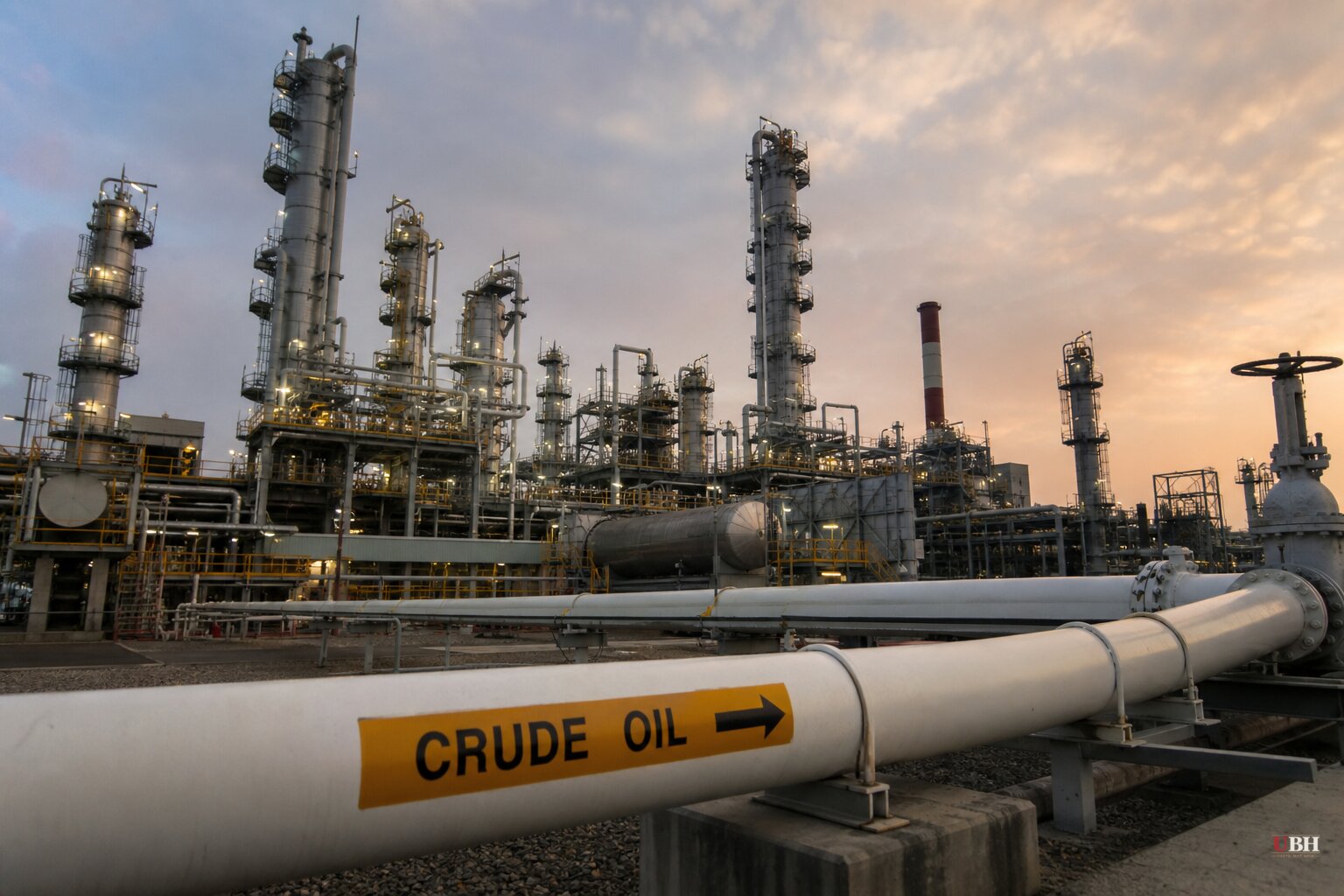
Kenya got its refinery. Tanzania and Uganda got their own instead.
Aliko Dangote, Africa's richest man according to OilPrice.com, has agreed to build a $17 billion refinery on Kenya's Lamu Island capable of processing 700,000 barrels of oil per day. That's Africa's second-largest refinery behind Dangote's existing plant in Nigeria, and it would dwarf East Africa's current refined fuel demand of roughly 450,000 bpd, according to OilPrice.com.
The deal almost didn't happen this way, and the fallout split the region instead of uniting it.
How Kenya Ended Up With the Refinery
The project was floated in early 2026 with a condition attached: Dangote would build it only if Kenya, Tanzania and Uganda agreed on a location, according to OilPrice.com. The three countries initially lined up behind Tanzania's port city of Tanga.
Then it fell apart. Tanzania's President Samia Suluhu Hassan said she'd never actually been consulted before Kenya's President William Ruto and Uganda's Yoweri Museveni announced the Tanga plan, according to The Conversation, an account also carried by AllAfrica and capital-media.mu. Hassan called it out publicly.
Dangote's team ended up scouting Uganda's Hoima and Kenya's Mombasa before settling on Lamu, according to OilPrice.com. Ruto's government moved fast once Lamu was picked, pledging roughly Ksh 21.5 billion in seed capital and inviting neighboring countries to buy in.
That represented a real commitment of Kenyan taxpayer money to lock down regional energy dominance. Ruto wanted the refinery in Kenya because Kenya is the region's economic anchor with the industrial base to run it, and losing it to Tanzania would have been a strategic defeat.
Tanzania and Uganda's Countermove
Weeks after Kenya secured Dangote, Tanzania and Uganda signed a memorandum of understanding with commodity trader Vitol Bahrain for a $20 billion energy hub in Tanga, according to OilPrice.com and The Conversation. The deal was signed in Dar es Salaam by Uganda National Oil Company, Tanzania Petroleum Development Corporation and Vitol Bahrain.
That hub will run on the East African Crude Oil Pipeline, the 90%-complete pipeline carrying Uganda's Lake Albert crude to Tanga for export, according to The Conversation. First oil is expected in early 2027. Tanga will handle storage and blending. For landlocked Uganda, Rwanda, Burundi and the Democratic Republic of Congo, that's an alternative fuel corridor that doesn't run through Kenya's Port of Mombasa or the new Lamu refinery.
Control of physical infrastructure determines how fuel and crude move through six countries. This conflict is fundamentally about that.
This Isn't New. It's a Repeat.
Brendon J. Cannon and Stephen Mogaka, writing for The Conversation, laid out the historical pattern plainly: Kenya and Uganda agreed in 2014 to build a joint pipeline from Uganda's oilfields to a Kenyan port at Lamu. That deal collapsed by 2016.
Cannon and Mogaka say the decisive factor wasn't just Kenyan mismanagement. French oil major Total, developing Uganda's oilfields, lobbied for and helped finance the alternative route through Tanzania instead, bypassing Kenya entirely. Landlocked Uganda's persistent discomfort with depending on Kenyan infrastructure did the rest, according to the authors.
The rivalry, they write, is rooted in "divergent post-independence ideologies" between Kenya and Tanzania, and in recent decades has hardened into competing ambitions to be the region's commercial gateway. Kenya's early capitalist model was mocked by Tanzania's founding president Julius Nyerere as a "man-eat-man" society. Kenya's attorney general fired back calling socialist Tanzania "man-eat-nothing," according to The Conversation.
What's Actually Being Built vs. What's Being Sold
East Africa has spent more than 25 years talking about deeper economic integration, according to The Conversation. What's actually happening on the ground is two separate, competing $17 billion and $20 billion energy corridors serving overlapping customers.
Both projects will exist. Combined capacity will exceed regional demand. That means one of two things happens: East Africa becomes a net fuel exporter to the rest of the continent, which would be a genuine win, or one of these projects ends up underused while its backers try to justify the sunk cost.
The republished versions of this story from PressBee and wrooms.ai add nothing beyond restating the original reporting, and neither offers independent confirmation of financing terms, completion timelines, or how much of the pledged Kenyan seed capital has actually been disbursed. Those numbers remain unverified in public reporting as of this month.
The unresolved question is whether Kenya, Tanzania and Uganda ever intended to cooperate on regional energy infrastructure at all, or whether "regional integration" was always a placeholder phrase for national infrastructure races dressed up in diplomatic language. The pipeline is 90% complete with first oil expected in early 2027, according to The Conversation. Whether Lamu's refinery hits its own construction timeline, and whether either project turns a profit once both are running, is the next thing to watch.
Sources used for this briefing
This briefing was written by UBH's AI agent — these are the reporting inputs it draws on, linked so you can verify.


