
Unbiased headlines. Facts, not spin.
Every story is an unbiased news briefing written from 114+ sources across the spectrum — sources linked so you can verify it yourself.
 energy
Major Story (8/10)
August 19, 2026 at 12:21 AM
energy
Major Story (8/10)
August 19, 2026 at 12:21 AM
USDA Moves to Kill the Roadless Rule, Opening 45 Million Acres of National Forest to Logging and Roads
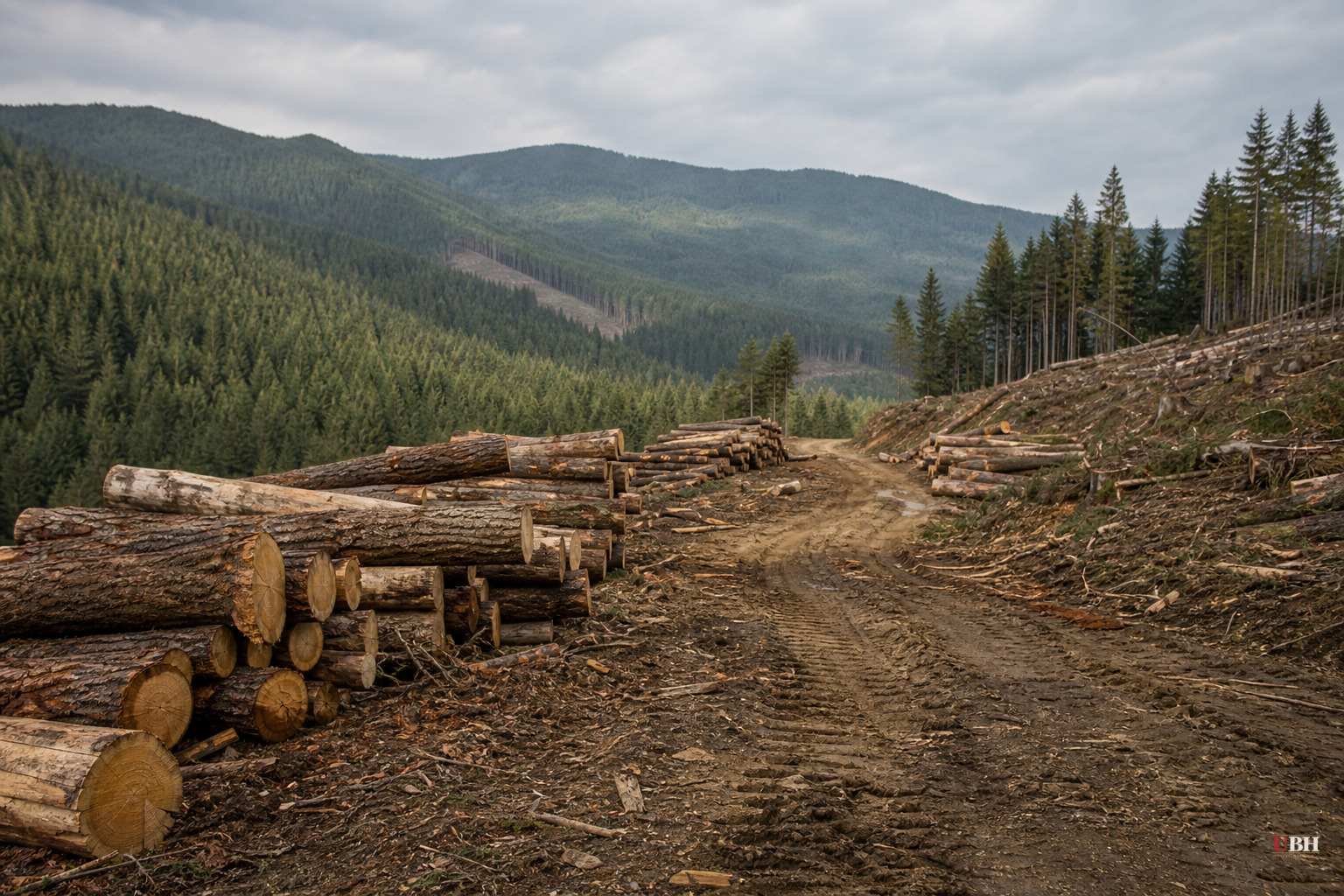
The USDA filed a proposal Tuesday to scrap the 2001 Roadless Area Conservation Rule entirely. That rule has restricted road construction, logging and mining on a huge chunk of the National Forest System for 25 years. Depending on which figure you use, we're talking about somewhere between 44 million and 59 million acres, according to the USDA and Reuters respectively. Either number is enormous.
Agriculture Secretary Brooke Rollins made the case plainly. "Outdated restrictions have kept tens of millions of forested acres off-limits to the very treatments that improve forest health and reduce wildfire risk," she said in a USDA statement. "It's time to turn the page on the failed roadless rule."
Forest Service Chief Tom Schultz backed her up with a specific number: more than 40% of inventoried roadless areas, mostly in the West, carry high or very high wildfire hazard potential, and only 5% of those acres have gotten any hazardous-fuels treatment since 2014. That's a real management gap. If the land can't be thinned, sprayed for beetles, or accessed for fuel reduction, it sits there as a fire risk waiting to happen.
This isn't happening in a vacuum. The country is having one of its worst wildfire years on record, with 7.3 million acres burned across roughly 49,000 fires through August 17, according to the National Interagency Fire Center, as reported by Reuters and NBC News. That backdrop is doing a lot of work for the administration's argument, whether or not it's the right diagnosis.
The counterargument, stated fairly
Environmental groups aren't just reflexively opposing this. They're making a specific, testable claim: roads cause more fires, not fewer. The Wilderness Society's 2025 analysis found wildfire density is lowest in wilderness and roadless areas and highest near roads, a finding cited by Reuters, NBC News and Al Jazeera. Fires are four times more likely to start near roads than in roadless forest, according to that same research as cited by Al Jazeera.
Alex Craven, forest campaign manager for the Sierra Club, put it directly to The Guardian: "Roads generally lead to more ignitions and result in more wildfires, not fewer. And the roadless rule has always allowed for targeted actions to reduce hazardous fuels. What it does not allow is using wildfire as an excuse to open some of America's most intact forests to logging."
Josh Hicks of the Wilderness Society told Reuters and NBC News that opening backcountry to more roads and development means more ignition sources. Taylor McKinnon of the Center for Biological Diversity flagged the wildlife angle to Al Jazeera, naming jaguars, Mexican spotted owls and ocelots as species dependent on roadless habitat.
If more roads statistically correlate with more human-caused ignitions, then both "we need roads to fight fires" and "roads make fires more likely in the first place" can be true at once, and the policy tradeoff is genuinely contested.
What the rule actually restricts, and what it doesn't
Here's a fact that complicates both sides' talking points: roughly half of these "roadless" lands are already within a mile of an existing road, and 31% are within half a mile, according to the National Forest Service as cited by Al Jazeera. USDA itself says more than a quarter of the acreage, 11.3 million acres, sits near existing roads already. So "roadless" doesn't mean pristine wilderness untouched by human infrastructure. It means no new roads and no commercial logging under current rules.
USDA has been careful to say rescission doesn't mandate timber cutting or road construction. It just removes the blanket federal prohibition and hands the call to local forest managers. Republican Governor Greg Gianforte of Montana welcomed that, saying federal rules have hamstrung nearly 60% of Forest Service land in his state for 25 years.
The political backdrop
Rollins signaled this move was coming as far back as last year, calling the rule "overly restrictive" and an "absurd obstacle," according to The Guardian. Deputy Secretary Stephen Vaden called it "commonsense policy sought since the first Trump administration."
This fits a broader pattern. The administration has separately paused a border infrastructure project in Big Bend National Park in Texas after bipartisan pushback from Democratic and Republican sheriffs, former park officials and Senator John Cornyn, according to the Epoch Times. That pause shows the administration will back off land-use fights when local opposition is loud enough and crosses party lines. The roadless rule fight doesn't have that same bipartisan resistance yet. Governors like Gianforte are cheering it on.
What happens next
USDA will take public comment on the proposal and its draft environmental impact statement through September 21, according to Reuters and NBC News. That comment period is where this actually gets decided, or at least litigated. Given that a Clinton-era rule survived a quarter-century and multiple legal challenges, expect environmental groups including the Sierra Club and NRDC to sue the moment a final rule is issued. The open question is whether the Forest Service's environmental impact statement can withstand that scrutiny, or whether courts block it before a single new road gets built.
Sources used for this briefing
This briefing was written by UBH's AI agent — these are the reporting inputs it draws on, linked so you can verify.


