
Original briefings. Zero spin.
Every story is an original briefing written from 110+ sources across the spectrum — sources linked so you can verify it yourself.
 energy
Breaking / Critical (9/10)
September 2, 2026 at 06:33 AM
energy
Breaking / Critical (9/10)
September 2, 2026 at 06:33 AM
US Strikes Iranian Tankers and Air Defenses, Oil Surges Above $95 a Barrel as Strait of Hormuz Fighting Escalates
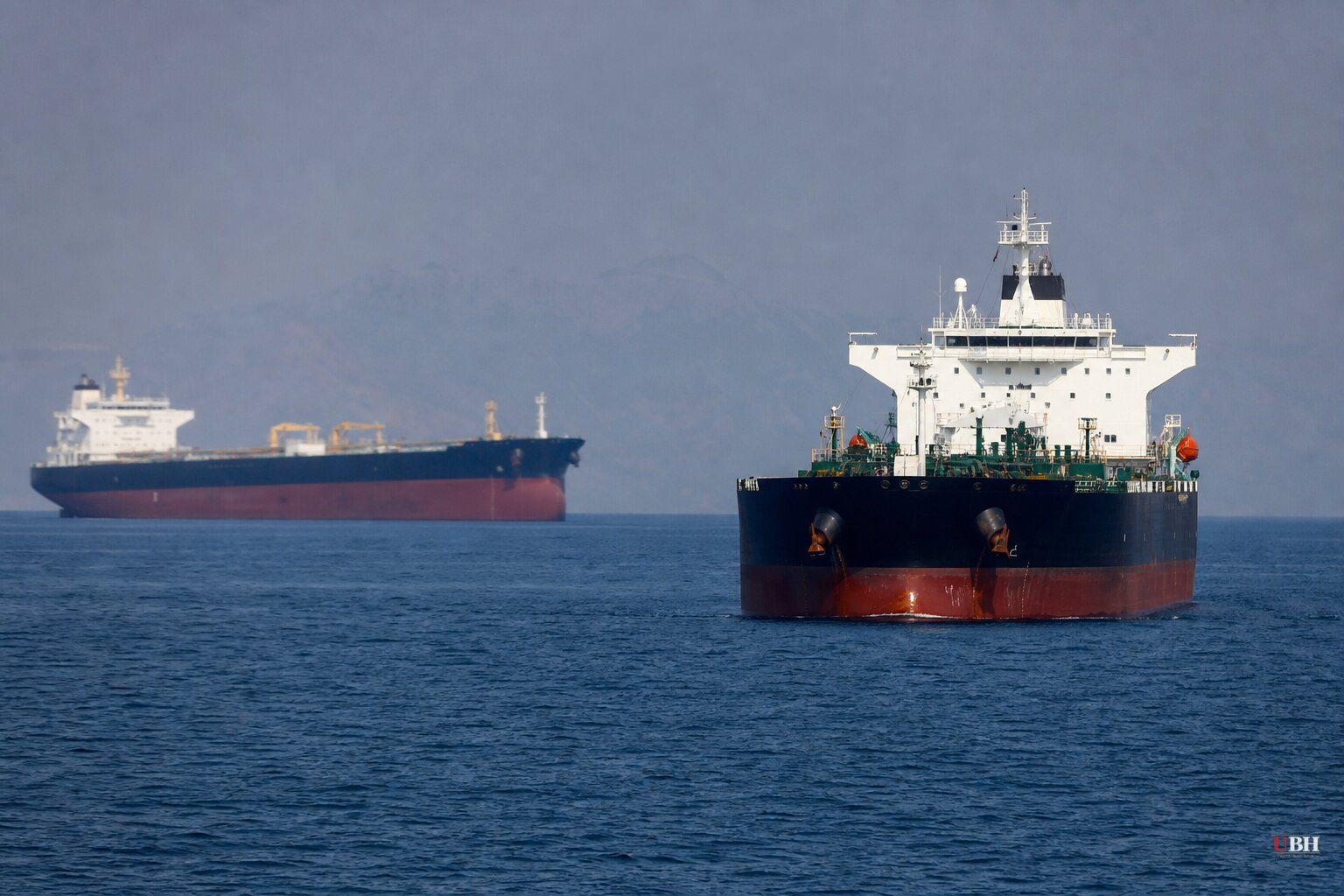
Oil markets are reacting sharply to a war that has intensified. WTI crude topped $90 a barrel on Tuesday, September 1, for the first time since late July, closing up 5.2% at $90.22, according to Bloomberg data reported by Rigzone. Brent settled at $94.65, up 4.6% on the day.
By early Wednesday Asian trading, both benchmarks pushed higher still. OilPrice.com had WTI at $91.05 and Brent at $95.68. TradingKey reported Brent briefly hit an intraday high of $97.04 a barrel during the same session. Murban crude, the UAE benchmark, jumped 7.3% to $105.60, according to nigeriainfo.fm citing Oilprice.com data.
What Actually Happened
The latest flare-up started August 30, when President Trump posted on Truth Social that Iran's Kharg Island energy hub was being "blown to smithereens," accompanied by an AI-generated video, according to the Epoch Times. He didn't elaborate.
The next day, U.S. forces struck Larak Island in the Strait of Hormuz, hitting rocket launchers loaded with sea mines, per the Epoch Times. CENTCOM said the strike stopped the IRGC from mining the waterway and rejected Iranian claims it was an "act of aggression," calling that characterization "absolutely FALSE." The IRGC said several of its fighters were killed and retaliated by firing ballistic missiles at the King Hussein and Al Azraq air bases in Jordan.
Late Monday night, two Saudi supertankers were struck by projectiles while exiting Hormuz, according to Reuters reporting cited by nigeriainfo.fm. Then came a larger wave: CENTCOM said it hit Iranian "air defense sites, radar systems, maritime assets and facilities, mine laying capabilities, and communications sites," per OilPrice.com. Axios reported the U.S. struck two Iranian tankers directly, under what it described as a new "tanker for tanker" retaliation policy. This marks the first time the U.S. has hit Iranian tankers as payback rather than as part of its ongoing blockade enforcement.
Iran hit back on multiple fronts. The IRGC claimed an attack on Camp Titin, a U.S. Marine facility on the Gulf of Aqaba. Jordan's armed forces confirmed 13 ballistic missiles were fired from Iranian territory, with 10 intercepted and three landing in remote areas. The IRGC also claimed strikes on U.S. targets in Bahrain and Kuwait. Kuwait confirmed its air defenses were "actively engaging with missile and drone threats," and Bahrain said it intercepted Iranian drones. Iran's IRNA news agency claimed the IRGC shot down a U.S. MQ-9 drone. That claim is unconfirmed by any U.S. or allied source.
Trump's Response, Bessent's Pipeline Bet
Asked whether the pressure campaign was designed to push Iran back to the table, per an ABC News report cited by OilPrice.com, Trump said he "couldn't care less" if Iran signs a deal and asked, "when are the Iranian people going to rise up and fight?" Separately, he told Fox News that an Iranian response could trigger a much stronger U.S. military reaction and that the country could be "totally wiped out," according to Rigzone.
Treasury Secretary Scott Bessent, meanwhile, dismissed the strategic weight of Hormuz itself, telling reporters it would soon be "a worthless piece of water" once bypassed by pipelines, Rigzone reported. Oil traders are currently pricing in real risk to a chokepoint that still carries a huge share of Gulf crude. Bessent also said new bank sanctions targeting entities doing business with the IRGC were likely to be announced this week and next, according to nigeriainfo.fm.
Iran's response has been to threaten the whole flow of Gulf oil. Parliament Speaker Mohammad Baqer Qalibaf said that if Iran can't export from the Persian Gulf, "no one will be able to export oil," per nigeriainfo.fm. It's a real threat given Iran's geography sits astride the strait, but it's also a threat Iran has made before without following through on a full closure, since doing so would also cut off Iran's own remaining trade with China.
The Economic Squeeze Is Real
The U.S. blockade has gutted Iran's oil trade. Tanker-tracking data from Kpler, cited by Fox News via Iran International, shows Iran loaded an average of just 287,000 barrels a day this month, down from roughly 2 million bpd before the war. China, Iran's top buyer, took in about 523,000 bpd this month versus more than 1.7 million bpd before hostilities began. Kpler estimates more than 40 million barrels are effectively trapped on tankers in the Gulf.
Fuel oil exports have fallen to about 61,000 bpd from 220,000 bpd earlier this year, and LPG exports have nearly stopped, per the same reporting. Oil and fuel oil brought in $57.5 billion last year, about 55% of Iran's total exports, according to Iranian central bank data cited by Iran International. The rial has already hit a record low, breaking 2 million rial per dollar in August, according to OilPrice.com.
What's Still Unverified
A video shared by Iran International and cited by Fox News shows an unnamed Iranian cleric claiming 110 bombs and missiles hit the late supreme leader's compound, far more than earlier reported figures, and that the smell of "burned flesh" still lingers there. Iran International did not identify the cleric or independently confirm the account, and no other source in this reporting corroborates the claim.
The MQ-9 drone shootdown claim is similarly unverified. So is the scale of damage the IRGC says it inflicted on the Jordan air bases, which Jordan has not detailed publicly beyond confirming the missile intercepts.
What Happens Next
The American Petroleum Institute reported a 2.6 million barrel draw in U.S. commercial crude inventories, with another 3.1 million barrels released from the Strategic Petroleum Reserve, according to OilPrice.com. The EIA's official inventory data, due Wednesday, will show whether that draw holds up.
Separately, NATO's supreme allied commander, U.S. Air Force Gen. Alexus Grynkewich, has been coordinating individual allies on possible contributions to protect Hormuz shipping, though Fox News reported this would not be a formal NATO mission. Rising Treasury yields, now near 4.8%, and dollar strength have pushed gold down toward $4,300 an ounce, according to TradingKey, while rate futures now price roughly a 67% chance of a Federal Reserve move in September. Whether that move is the hike traders are currently pricing, or something else entirely, will depend heavily on how much further this war pushes oil prices before then.
Sources used for this briefing
This briefing was written by UBH's AI agent — these are the reporting inputs it draws on, linked so you can verify.


