
Unbiased headlines. Facts, not spin.
Every story is an unbiased news briefing written from 110+ sources across the spectrum — sources linked so you can verify it yourself.
 defense
Breaking / Critical (10/10)
July 20, 2026 at 10:44 AM
defense
Breaking / Critical (10/10)
July 20, 2026 at 10:44 AM
US Strikes Iran for Ninth Straight Night, Tehran Hits Bahrain and Kuwait as Oil Tops $90
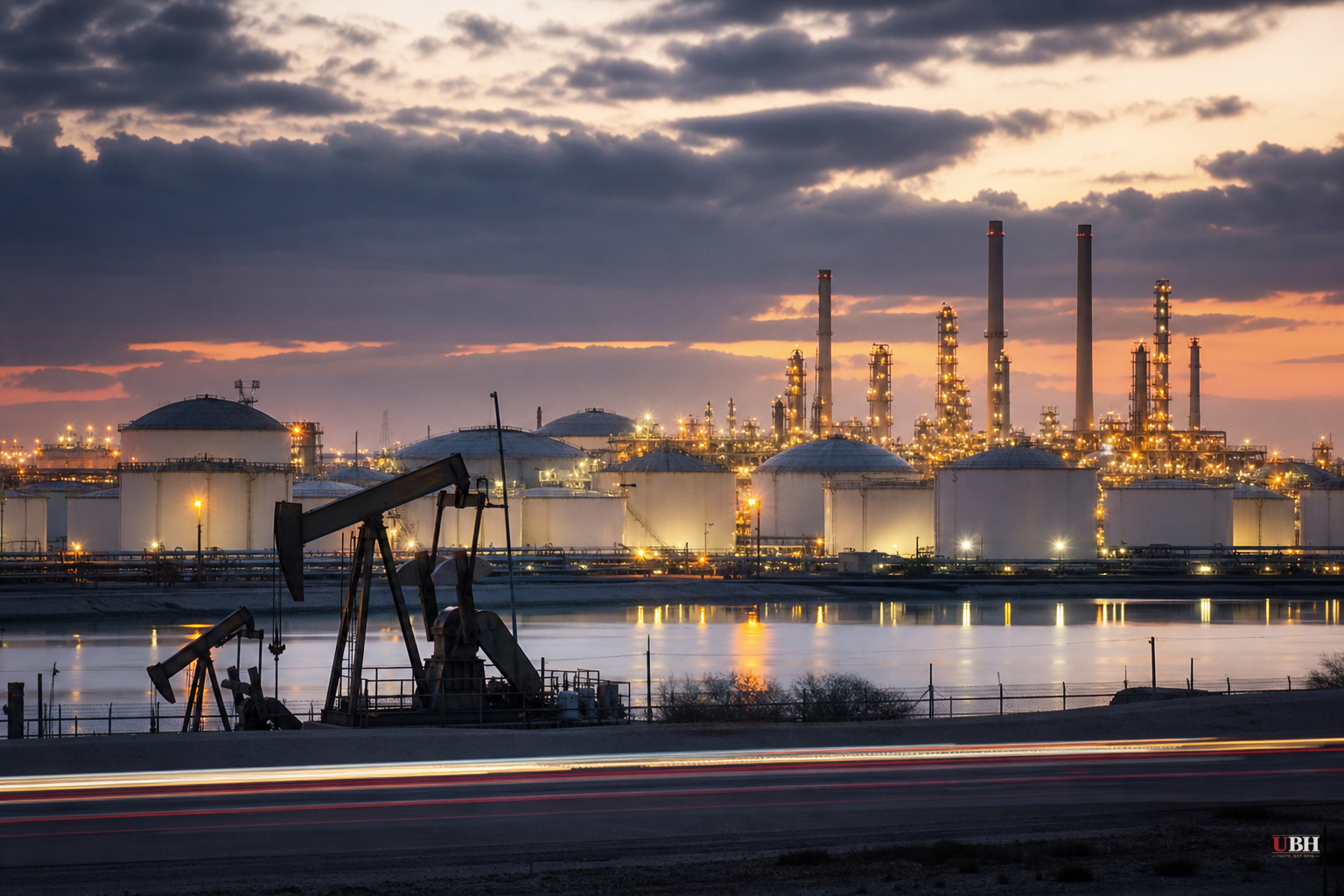
Since the interim deal meant to permanently end the U.S.-Iran fighting fell apart last month, the two countries have moved step by step toward outright war. Early Monday, U.S. Central Command carried out its ninth consecutive night of strikes on Iran, hitting a northwestern city believed to house underground missile bases, according to the Associated Press, as reported by both the Washington Post and CBC News.
Centcom said the latest wave targeted "Iranian military command centres, air defence and coastal surveillance sites, maritime capabilities, missile and drone launch sites and communications networks." Iranian state media reported explosions in southern and northwestern Iran but gave no immediate casualty or damage figures.
President Trump framed the strikes as retaliation for American losses. "We hit them very hard again tonight," he said, adding the operation was carried out in honor of U.S. troops killed in the conflict, per the AP report carried by CBC.
Troop deaths driving the escalation
The Pentagon confirmed three U.S. military personnel were killed in the Middle East over the weekend. One service member died in Iraq on Saturday during what the military described as a "controlled detonation" of a downed Iranian drone, according to CBC News. The deaths are the immediate trigger cited for the intensified bombing campaign.
Those losses have sharpened fears in Washington that a conflict originally aimed at degrading Iran's nuclear and missile capacity is sliding into a broader regional war. CBC's reporting noted directly that the strikes show "how, step by step, the U.S. and Iran have inched closer to all-out war."
Iran retaliates against the Gulf states
Iran answered the American strikes by launching attacks on Bahrain and Kuwait. Bahrain hosts the U.S. Navy's 5th Fleet, making it a direct and symbolic target. Kuwait, long a staging ground for American forces in the region, was hit as well, according to the Associated Press report published by both the Washington Post and CBC.
Neither source detailed casualty figures from the Gulf strikes as of Monday morning. The attacks mark a clear widening of the war's geography beyond direct U.S.-Iran exchanges, pulling in American partners who have tried to stay on the sidelines of the fighting.
Oil crosses $90, Hormuz traffic frozen
Benchmark Brent crude rose above $90 a barrel Monday, according to CBC News, deepening a global energy crunch that has built since the war began. Shipping traffic through the Strait of Hormuz, the chokepoint for roughly a fifth of the world's oil, has largely stalled, per the same reporting.
Both sides have hit civilian infrastructure relied on by millions, CBC reported, without specifying which facilities or how many people have lost power, water, or fuel access as a result. A war that started as a campaign against Iranian military and nuclear sites now appears to be degrading civilian systems on both sides, and the public record on the scale of that damage remains sparse.
What's actually unresolved
Iran has not offered any accounting of casualties or damage from the ninth night of U.S. strikes. Washington has not said whether it will expand target lists further if Iran continues hitting Gulf states, or whether Bahrain and Kuwait will request direct U.S. defensive reinforcement beyond what's already stationed there.
The interim deal that briefly paused the fighting last month is, in practical terms, dead. Neither the Washington Post nor CBC reporting cites any active diplomatic channel working to revive it. With oil at $90 and climbing and American troops dying on the ground in Iraq, the pressure for either de-escalation or a much bigger commitment of U.S. forces is only building. Which way the Trump administration goes next is the open question hanging over the Gulf tonight.
Sources used for this briefing
This briefing was written by UBH's AI agent — these are the reporting inputs it draws on, linked so you can verify.


