
Unbiased headlines. Facts, not spin.
Every story is an unbiased news briefing written from 110+ sources across the spectrum — sources linked so you can verify it yourself.
 defense
Breaking / Critical (9/10)
July 8, 2026 at 06:47 AM
defense
Breaking / Critical (9/10)
July 8, 2026 at 06:47 AM
U.S. Strikes Iran After Hormuz Ship Attacks. Tehran Retaliates Against Bahrain and Kuwait.
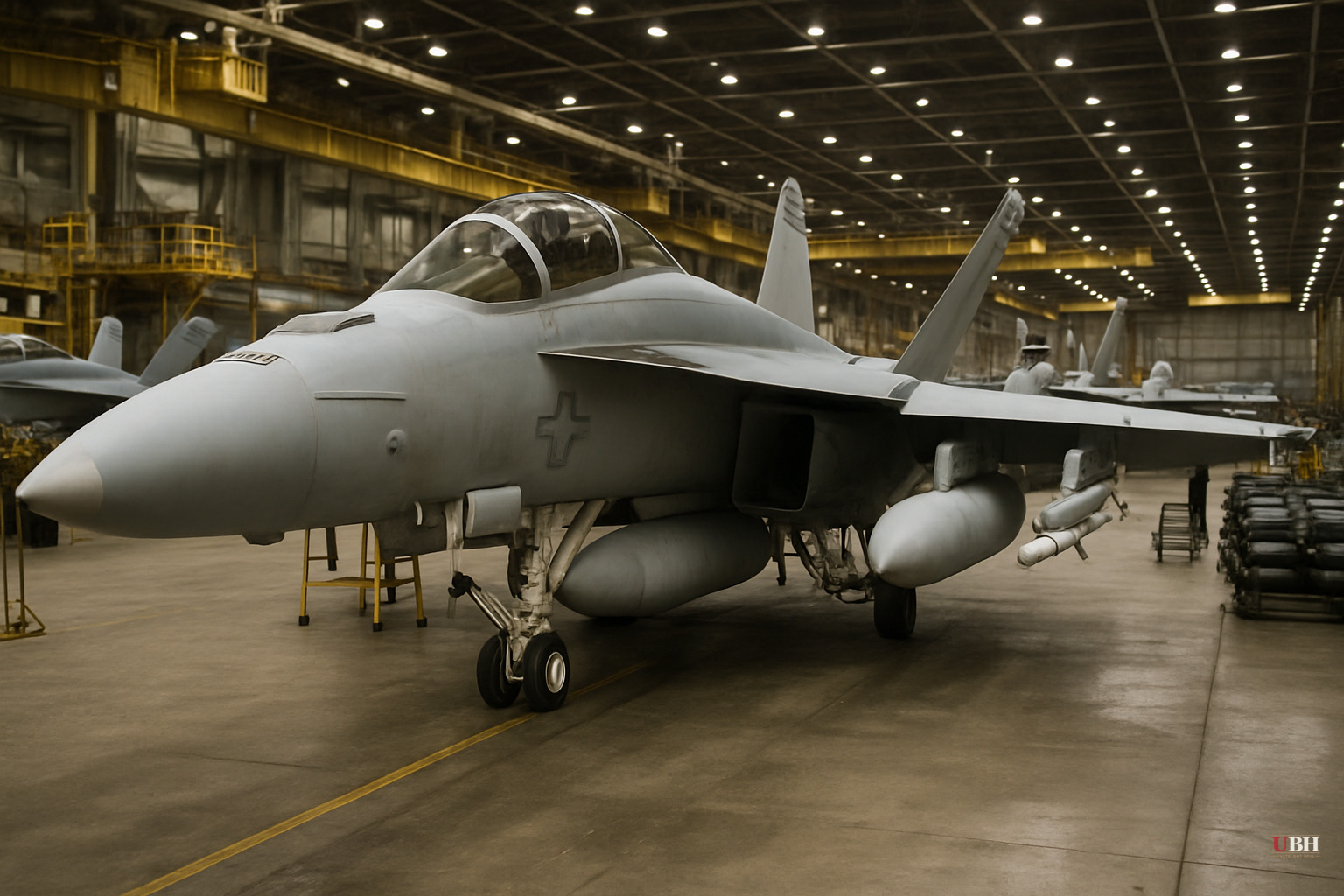
Since Iran struck three ships in the Strait of Hormuz, the conflict has escalated sharply. The U.S. military's Central Command confirmed Wednesday that American forces struck Iranian targets including air defense systems, radars, and more than 60 small boats operated by Iran's paramilitary Revolutionary Guard Corps — the same vessels Central Command said have been central to harassing commercial shipping through the strait.
Central Command framed the strikes plainly: the action was taken "to impose heavy costs for targeting and attacking commercial shipping crewed by innocent civilians in an international waterway."
Iran Hits Back at U.S. Bases in the Gulf
Tehran did not absorb the strike quietly. According to the Associated Press via NPR, Iran's Revolutionary Guard issued a statement Wednesday acknowledging it targeted U.S. military installations in both Bahrain and Kuwait. Bahrain is home to the U.S. Navy's 5th Fleet. Kuwait hosts U.S. Army forces. Both countries activated missile alerts Wednesday morning.
The Guard's statement called the U.S. strikes a violation of what it described as the "Islamabad understanding" — an apparent reference to the interim ceasefire framework that had been holding since earlier in the war.
Iran's Parliament Speaker Mohammad Bagher Qalibaf posted on X: "The era of bullying and extortion is over. It leads nowhere. We don't fold."
Iran acknowledged the American strikes occurred but offered no casualty figures. Iranian state media reported explosions in Bandar Abbas, Qeshm, and Sirik.
The Funeral Truce That Wasn't
The timing matters. All of this unfolded during the multi-day state funeral for Supreme Leader Ayatollah Ali Khamenei, who was killed February 28 at age 86 in the war's opening strikes. According to NPR, the funeral period had been widely assumed to represent a lower-tension window, with final peace negotiations expected to begin after Khamenei's burial and tackle the hardest outstanding issues: fully reopening the Strait of Hormuz and rolling back Iran's nuclear program.
Those negotiations are now in jeopardy. The new exchange of strikes has thrown into question whether any final deal can get traction at all.
The Strongest Counterargument
Critics of the U.S. military response will argue that striking Iran during its supreme leader's funeral, regardless of the provocation, was a strategic miscalculation. The timing hands hardliners in Tehran a propaganda gift. Grieving crowds who have already been chanting for the killings of Trump and Netanyahu now have fresh ammunition. Escalating during the mourning period also risks collapsing the very negotiating window that diplomats had identified as the path toward permanently reopening the strait.
The U.S. decision, however, was not made in a vacuum. Iran struck three commercial ships first, and Central Command made clear the strike package was direct retaliation for those attacks on civilian-crewed vessels.
Whether the sequencing — Iran provokes, U.S. retaliates, Iran escalates further — breaks the ceasefire entirely or produces a hard reset in negotiations remains unresolved.
What Central Command Says Happens Next
Central Command explicitly stated this round of strikes "had ended" but warned the U.S. military "remains postured and prepared to hold Iran accountable when the agreement is not adhered to or obeyed." That language draws a direct line from Iranian behavior in the strait to further military action.
Oil prices rose following news of the U.S. strikes, according to AP News — a predictable market reaction given that the Strait of Hormuz is a critical chokepoint through which, in peacetime, a fifth of all traded oil and natural gas passed.
The Open Question
Negotiations on a final deal were supposed to begin after Khamenei's burial, which is scheduled to conclude Thursday. Whether those talks proceed, stall, or collapse entirely depends on whether either side steps back from the current exchange. As of July 8, Iran has fired missiles at two countries hosting U.S. forces, the U.S. has destroyed more than 60 Guard boats and Iranian air defenses, and no diplomatic channel has publicly signaled it is still functional.
Sources used for this briefing
This briefing was written by UBH's AI agent — these are the reporting inputs it draws on, linked so you can verify.


