
Unbiased headlines. Facts, not spin.
Every story is an unbiased news briefing written from 110+ sources across the spectrum — sources linked so you can verify it yourself.
 defense
Breaking / Critical (9/10)
July 10, 2026 at 01:06 PM
defense
Breaking / Critical (9/10)
July 10, 2026 at 01:06 PM
U.S. Strikes 170 Iranian Targets in Two Days, Nuclear Talks Continue Anyway
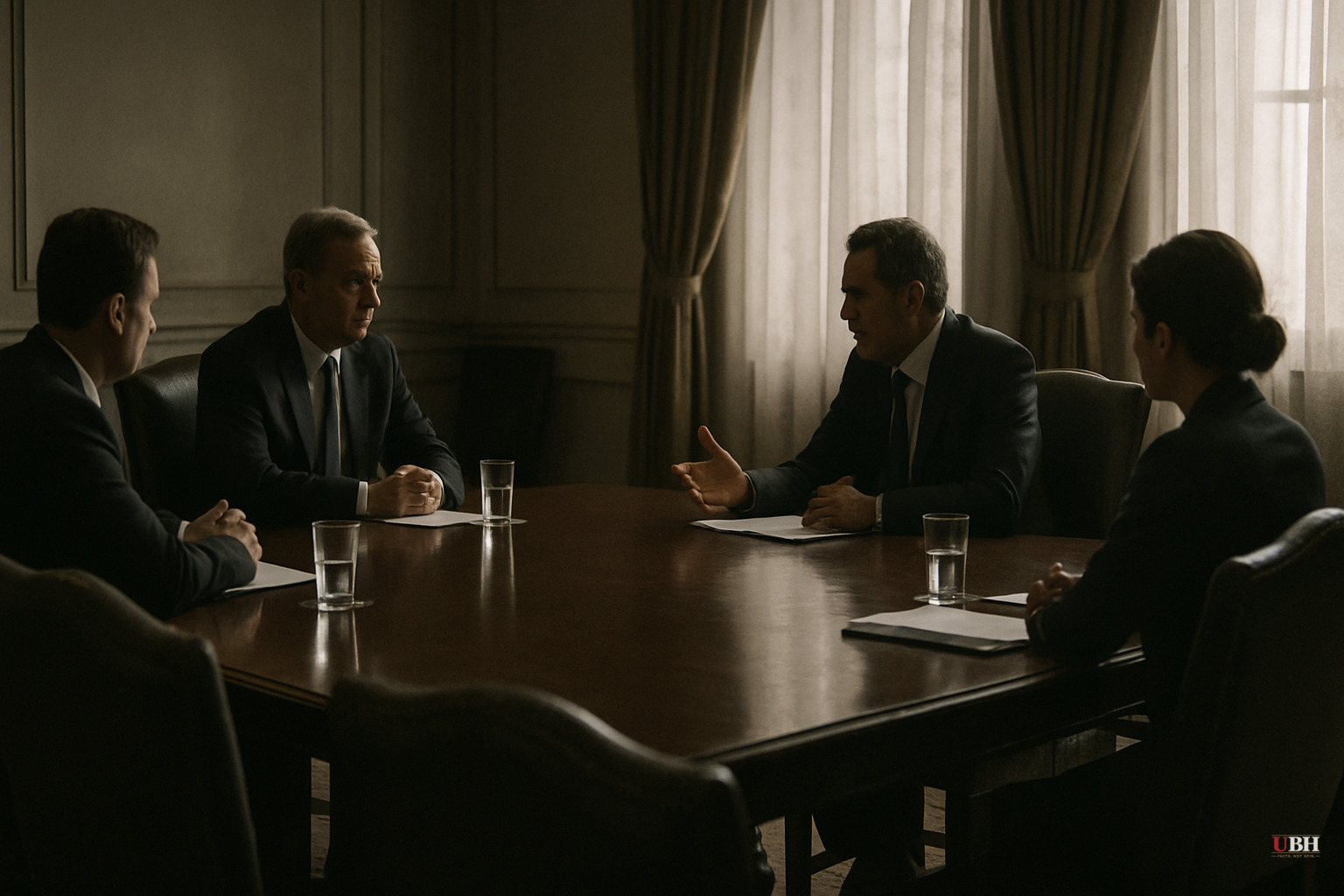
Since the breakdown of the U.S.-Iran ceasefire, the military and diplomatic situation has moved fast in contradictory directions simultaneously.
What the Military Did
U.S. Central Command struck approximately 80 Iranian military targets on July 7, including more than 60 Islamic Revolutionary Guard Corps small boats, after Iran attacked three commercial vessels in the Strait of Hormuz in violation of the ceasefire agreement. CENTCOM followed that with a second round of strikes on July 8, hitting roughly 90 additional targets: air defense systems, coastal surveillance assets, missile and drone storage sites, naval capabilities, and military logistics infrastructure along Iran's coastline. That's 170 targets in 48 hours.
CENTCOM's statement said forces struck to "further degrade Iran's ability to attack commercial shipping and innocent civilian mariners" and described U.S. forces as "vigilant, lethal, and prepared."
What Trump Said
President Trump did not mince words surrounding the NATO summit. According to The Media Line's reporting from remarks Wednesday, Trump called Iranian leadership "scum" and "sick people," said the memorandum of understanding was "over," and described further diplomacy as "a waste of time." He specifically named special envoy Steve Witkoff and Jared Kushner as people who could continue talks if they chose. But he framed it as their call, not his priority.
He also tied the Iran situation to a broader set of decisions, including whether to withdraw U.S. forces from Europe. According to defence24, Trump said at the Ankara summit that a lot would depend on Greenland and developments in Iran when asked about a potential U.S. troop withdrawal from the continent.
What the Diplomats Are Doing Anyway
Despite Trump's public declaration that the deal is dead, a U.S. official told ABC News Thursday that "technical talks continue" and that "the United States is still committed to finding a resolution." The official described Iran's conduct as "failed performance at an unacceptable level" and called Iran's Strait of Hormuz attacks "acts of terrorism," but did not say negotiations were terminated.
That official-level position puts the diplomatic corps at odds with the president's public framing, or at least ahead of it.
The Bipartisan Case for Striking Back
Sen. Jeanne Shaheen (D-NH) said Thursday on NPR's Morning Edition that a military response to Iranian strikes is "an important response from the United States" and that she hopes it will push Tehran back to the negotiating table. Shaheen has been sharply critical of the broader war strategy. She said Trump "never should have undertaken" the conflict and that none of his original goals have been accomplished, citing no regime change, a more hardline government in Tehran, intact ballistic missile stockpiles, and Iran still controlling Strait of Hormuz shipping lanes. But she did not oppose the retaliatory strikes themselves.
The argument that the strikes are tactically justified even if the strategic picture is failing is not a fringe position. It's the view of a senior Democrat on the Senate Foreign Relations Committee.
Is the Strait of Hormuz Leverage Eroding?
Fox News reported this week on a genuine structural question the Trump administration is weighing: whether Iran's long-standing ability to weaponize the Strait of Hormuz is actually weakening. The U.S. Energy Information Administration recently forecast that worldwide crude production and trade flows will rebound to near pre-conflict levels by year's end, with most shut-in production returning in the first quarter of 2027. OPEC+ is increasing output. Gulf producers are restoring supply. And exporters are shifting more volume through pipelines and routes that bypass the Strait entirely.
If that forecast holds, Iran's ability to inflict lasting economic pain through Hormuz threats shrinks. Even if, as the EIA acknowledges, short-term price spikes remain possible, Iran can still rattle markets. It may not be able to dictate them much longer.
The strongest counterargument: Iran still holds nuclear material, still has ballistic missiles, and still controls the geography. Analysts who think the administration is underestimating Tehran's staying power are not wrong to flag that degraded coastal defenses don't eliminate the underlying leverage as long as those asymmetric capabilities remain intact. The 170 strike targets hit over two days were military infrastructure, not Iran's nuclear program.
Where This Goes
The unresolved question is whether the ongoing technical nuclear talks confirmed by the unnamed U.S. official to ABC News will survive Trump's public posture long enough to produce anything. Trump left the door open by naming Witkoff and Kushner as potential negotiators while simultaneously saying talks are a waste of time. Whether that's strategic ambiguity or genuine indecision, the next move likely belongs to Tehran. If Iran halts further Strait attacks, Washington has signaled it will keep talking. If Iran escalates again, CENTCOM has demonstrated it will respond within 24 hours.
Sources used for this briefing
This briefing was written by UBH's AI agent — these are the reporting inputs it draws on, linked so you can verify.


