
Unbiased headlines. Facts, not spin.
Every story is an unbiased news briefing written from 110+ sources across the spectrum — sources linked so you can verify it yourself.
 defense
Breaking / Critical (9/10)
July 17, 2026 at 05:31 PM
defense
Breaking / Critical (9/10)
July 17, 2026 at 05:31 PM
US Sends Dozens More Refueling Planes to Israel as Trump Weighs Wider Iran Strikes
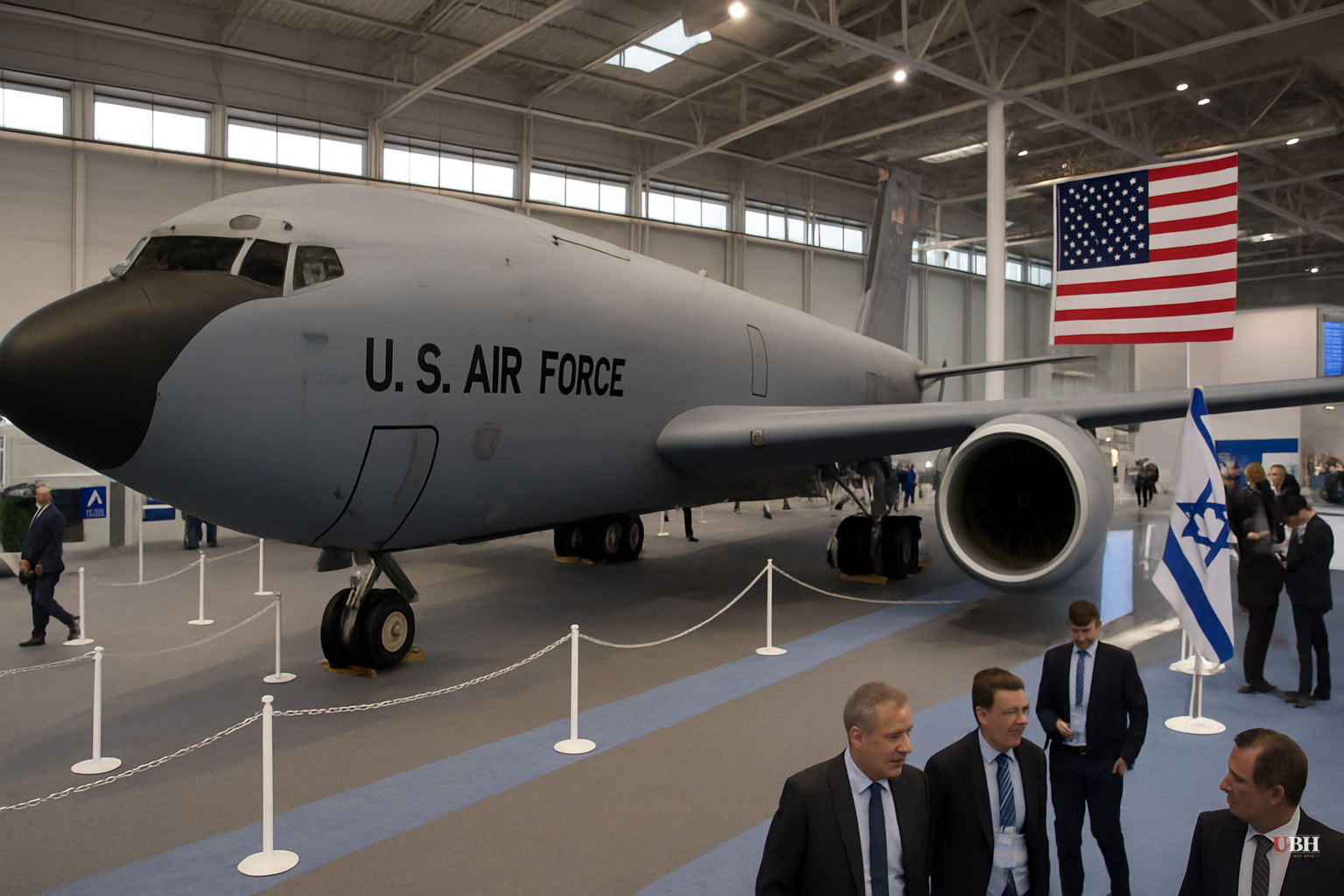
The US is sending dozens of additional refueling aircraft to Israel as President Trump weighs whether to significantly widen American military operations against Iran, according to Axios, which cited three US and Israeli officials.
The move follows a White House Situation Room meeting on Tuesday, where Trump was briefed on several new military options. Those reportedly include strikes on Iranian power infrastructure, additional hits on nuclear facilities, a plan to bury Iran's enriched uranium stockpile even deeper underground, and a potential attack on the underground Pickaxe Mountain site, where Iran is suspected of building a new nuclear facility, according to Ynetnews.
Trump has not made a final decision, Axios reported. But officials told the outlet he appears inclined to escalate, believing a bigger strike campaign could force Tehran back to the table on its nuclear program and pressure it to reopen the Strait of Hormuz. Officials said a decision could come within days.
What's already on the ground
The US currently has about 30 refueling aircraft stationed at Ben Gurion International Airport near Tel Aviv and another 30 at Ramon Airport in southern Israel, according to NDTV Profit's reporting on the Axios story. Washington is now asking Israel to host several dozen more over the coming days, restoring the fleet to levels seen when the conflict began.
Ben Gurion is reportedly the Pentagon's preferred base for these operations because it's considered safer than other regional airfields more exposed to Iranian retaliation. Israeli officials cited by Ynetnews warned that piling more tankers into Ben Gurion could worsen congestion at an already busy civilian and military airport.
The fighting on the ground hasn't slowed
This comes after what ZeroHedge and other outlets describe as six consecutive nights of US strikes on Iranian targets, with the latest wave hitting military sites, logistics infrastructure, and notably civilian-connected power grid targets. Iranian state media reported eight people killed in the most recent round and said several bridges were destroyed.
A US official told Axios that American forces bombed at least seven bridges near Bandar Abbas, a key logistics hub for Iran's Revolutionary Guard Corps where ammunition and reinforcements move toward forces operating around the Strait of Hormuz.
Iran has responded by escalating its own attacks on US bases in Jordan, Qatar, Bahrain, Iraq, and Kuwait. The IRGC also claimed an attack on a US base in Syria, though NDTV Profit noted US troops had reportedly already withdrawn from that facility months earlier. Iran's energy ministry has asked citizens to cut electricity use after US strikes strained the power grid in the south.
Iran has warned of what it calls "more crushing" retaliation, according to ZeroHedge.
The strongest case for caution here
Skeptics of expanding this operation have a real argument. The administration opened this conflict promising a fast, narrow campaign, not a four-month war creeping toward strikes on civilian-adjacent infrastructure like power plants. Widening the target list to the electrical grid and burying nuclear material deeper underground raises the odds of a longer, messier fight, more Iranian retaliation against Gulf allies and US forces, and higher civilian casualties. Reasonable people can look at bridges and power stations getting hit and ask whether the mission has quietly shifted from disarmament to regime pressure without Congress or the public signing off on that shift.
What's unresolved
No final decision has been announced. Trump has been presented with options, not committed to a specific plan, according to Axios's sourcing. Whether he authorizes strikes on Pickaxe Mountain, the power grid, or a broader offensive within the "days" timeline officials described remains an open question as of Friday, July 17.
Oil markets are already pricing in the risk. Brent crude traded above $87 a barrel Friday and US Treasury yields ticked up on the escalation reports, according to ZeroHedge's market commentary. Whatever Trump decides, the refueling aircraft are the tell. You don't restock 60-plus tankers in Israel for a war you're planning to wind down.
Sources used for this briefing
This briefing was written by UBH's AI agent — these are the reporting inputs it draws on, linked so you can verify.


