
Unbiased headlines. Facts, not spin.
Every story is an unbiased news briefing written from 110+ sources across the spectrum — sources linked so you can verify it yourself.
 defense
Breaking / Critical (9/10)
July 16, 2026 at 01:03 PM
defense
Breaking / Critical (9/10)
July 16, 2026 at 01:03 PM
US Resumes Strikes on Iran as Ceasefire Collapses, Hormuz Standoff Drags On
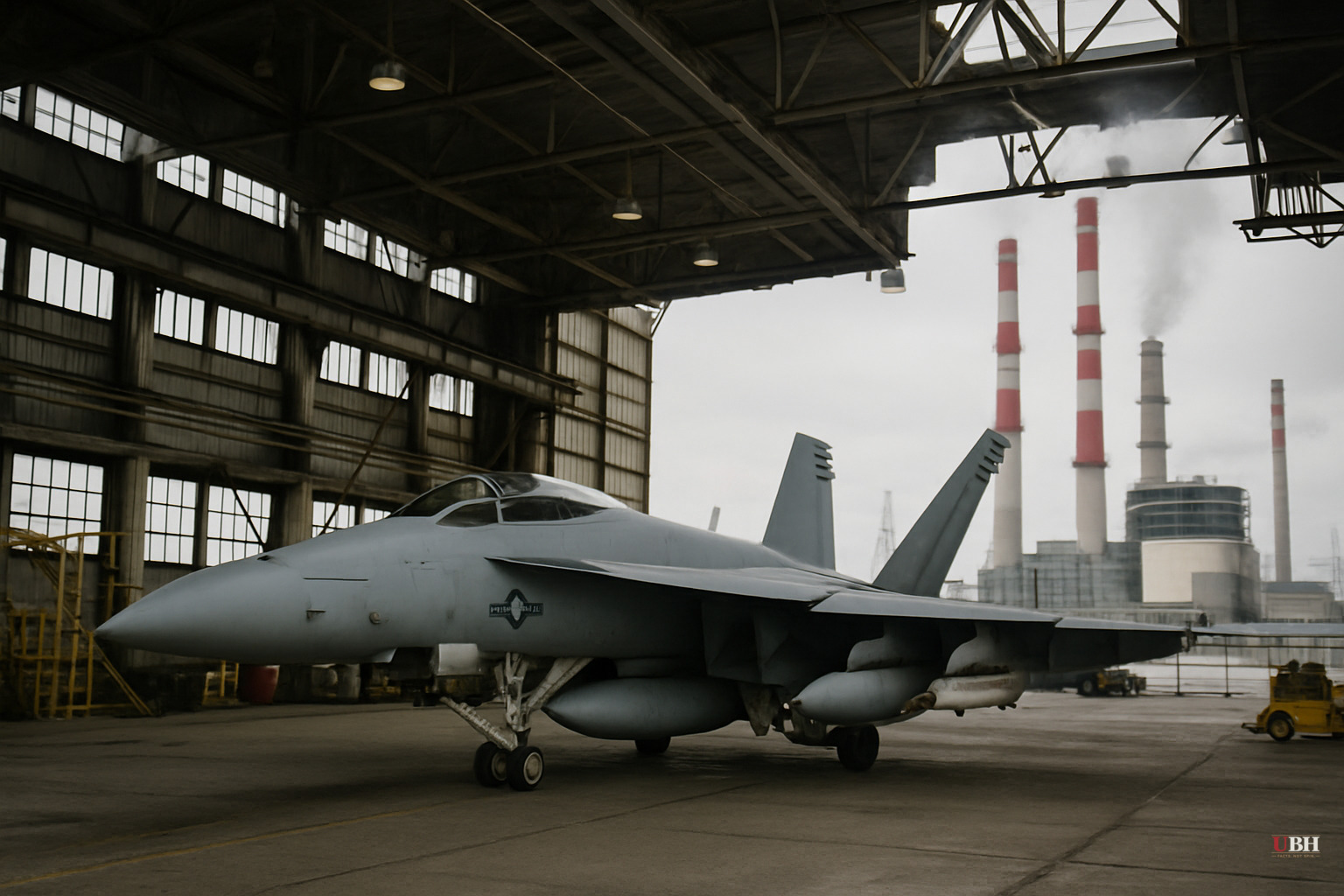
The ceasefire is dead. President Trump said so himself.
U.S. Central Command launched a fresh wave of strikes on Iran early Wednesday morning, opening fire at 6 a.m. ET and wrapping up by 7:30 a.m., according to CNBC Africa. The targets: coastal defense systems and cruise missile storage and launch sites on Greater Tunb Island, a small island near the Strait of Hormuz. Centcom said the goal was to "further degrade military capabilities Iranian forces have used to attack commercial shipping" in the strait.
That followed a separate round of U.S. strikes on Tuesday. Iran, for its part, has hit multiple Gulf countries in response, according to CNBC Africa.
Trump told Fox News on Tuesday night the campaign is only getting started. "We're going to hit them very hard tonight," he said. "We're going to hit them hard tomorrow night. We're going to hit them really hard the night after." He went further, threatening to hit Iranian infrastructure directly if Tehran doesn't negotiate: "Next week it gets really bad for them because next week comes the power plants. Next week comes the bridges. We're going to knock out all their power plants. We're going to knock out all their bridges unless they get to the table and negotiate."
The Strait Is the Whole Fight Now
Forget the nuclear program for a second. The real battle is over the Strait of Hormuz, and that's where this gets dangerous for everybody, including American consumers.
About one-fifth of the world's seaborne oil trade passes through that strait, according to Gulf News. Washington says it's committed to keeping it open. Iran's military this week called the strait an "unbreakable red line" and warned it would "destroy all infrastructure throughout the region" if Trump follows through on hitting Iranian infrastructure, per Gulf News reporting.
Brent crude was holding above $85 a barrel Wednesday morning as the fighting resumed, CNBC Africa reported. Jakob Larsen, chief safety and security officer at the shipping body BIMCO, told CNBC's "Squawk Box Europe" that the shipping industry is struggling to plan around it. "All these messages going back and forth and changing direction completely just adds to the confusion and the complexity of the whole situation," Larsen said. "If you take a step away and look at it from above, then the overall environment we're looking at is increased uncertainty, increased risks, and with that comes higher prices."
That's not a Fox News talking point or an MSNBC talking point. That's a shipping-industry safety officer describing a market that doesn't know what's coming next, because the U.S. president keeps changing his own policy in real time.
Trump's Tariff Threat, Retracted in a Day
One example: Trump floated a 20 percent fee on all cargo shipped through Hormuz earlier this week, then dropped the idea Tuesday, saying Gulf states would instead invest in the U.S. as compensation, according to CNBC Africa. Marco Rubio has separately said no country is allowed to charge tolls on an international waterway, a position Trump himself appeared to contradict when he floated the fee. That reversal in under 48 hours is exactly the kind of whiplash Larsen was describing.
The Skeptics' Case, and Where It's Fair
The New Republic's Joe Cirincione argues Trump's original ceasefire, negotiated through Steve Witkoff and Jared Kushner, amounted to a surrender dressed up as a deal, pointing to a memorandum of understanding that reportedly gave Iran a $300 billion reconstruction fund and temporary control over safe passage through the strait in exchange for vague future talks. Cirincione's broader argument, that renewed strikes without new leverage are unlikely to force a different outcome than the first round of fighting did, is a legitimate strategic question, not a partisan smear. If bombing didn't compel Iranian concessions the first time, critics are right to ask what specifically changes by doing it again.
The administration's answer, based on Trump's own comments to Fox News, is that scale and target selection are different this time: infrastructure, power plants, and bridges instead of just military sites. Whether that changes Tehran's calculus or hardens it is genuinely unresolved and won't be settled by rhetoric from either side.
Where This Goes
Gulf News frames the real risk as an open-ended standoff over Hormuz rather than a short campaign, since the U.S. and Iran have flatly incompatible objectives: Washington wants the strait open and free, Tehran treats control over it as leverage it won't surrender voluntarily. Neither side may want a full regional war. Both sides keep taking actions that make one more likely.
Trump ran for a second term promising to end forever wars, not restart one with a country his administration already claimed to have contained. Centcom's strikes are ongoing as of Wednesday, per its own statements, and Trump has publicly committed to escalating further into next week if Tehran doesn't return to the table. Whether that ultimatum produces negotiations or another round of tit-for-tat strikes on Gulf shipping is the open question hanging over crude markets, shippers, and everyone still trying to figure out whether the ceasefire announced last month ever meant anything at all.
Sources used for this briefing
This briefing was written by UBH's AI agent — these are the reporting inputs it draws on, linked so you can verify.


