
Unbiased headlines. Facts, not spin.
Every story is an unbiased news briefing written from 110+ sources across the spectrum — sources linked so you can verify it yourself.
 defense
Breaking / Critical (9/10)
July 13, 2026 at 12:28 AM
defense
Breaking / Critical (9/10)
July 13, 2026 at 12:28 AM
US Launches Third Wave of Iran Strikes as Oil Jumps and Diplomacy Collapses in Strait of Hormuz Standoff
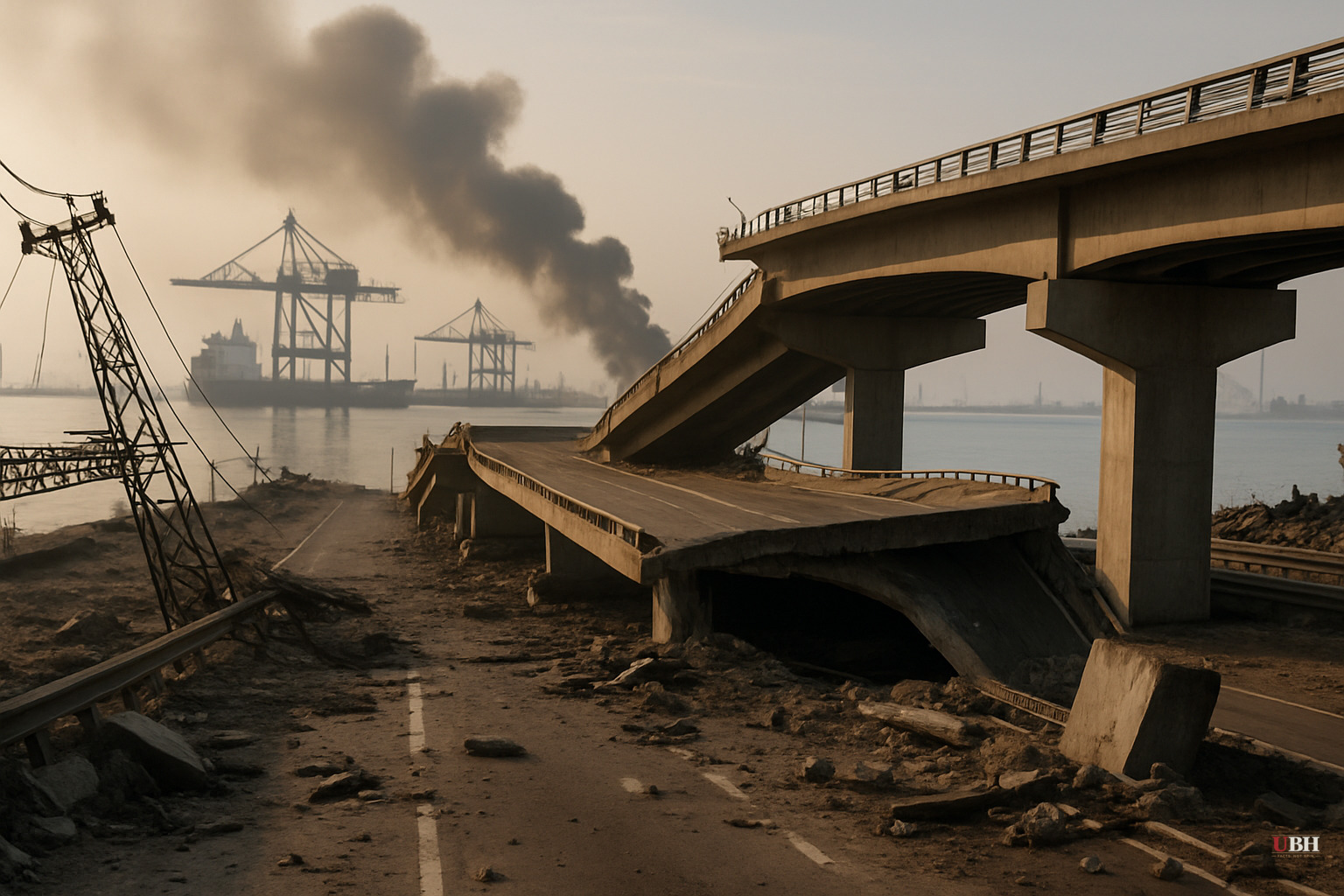
Third strike wave hits Iran as ceasefire talks collapse
Since US Central Command hit roughly 140 Iranian targets Saturday and Iran retaliated against five Gulf countries earlier July 12, the fighting has escalated further. Trump ordered a fresh round of strikes beginning around 5 p.m. ET Sunday, and CENTCOM and the Associated Press, carried by PBS, indicated a third wave was expected to follow late Sunday into early Monday.
CENTCOM said the goal was to keep "degrading" Iran's ability to attack commercial ships in the Strait of Hormuz. Iranian state media reported explosions were expected early Monday in Bandar Abbas, Hajiabad, and near Qeshm Island, where the governor told IRNA that projectiles were expected to hit military targets, according to PBS; no casualties had been confirmed there as of Sunday evening.
A U.S. official, speaking anonymously to the New York Times and cited by the New York Post, said the anticipated later wave of strikes would be "bigger" than Saturday's, targeting missile and air defense systems and Revolutionary Guard boats.
Oil spikes, diplomacy stalls
Brent crude was reported by the Guardian to have jumped 3.75% to $78.86 a barrel and West Texas Intermediate to have risen 3.65% to $74.02 as Asian markets opened Monday. This would mark the market's first real read on how seriously traders are taking Iran's threat to shut the strait, which carries roughly 20% of the world's oil shipments, per the New York Post.
Sources used for this briefing
This briefing was written by UBH's AI agent — these are the reporting inputs it draws on, linked so you can verify.


