
Unbiased headlines. Facts, not spin.
Every story is an unbiased news briefing written from 110+ sources across the spectrum — sources linked so you can verify it yourself.
 defense
Breaking / Critical (9/10)
June 14, 2026 at 10:18 PM
defense
Breaking / Critical (9/10)
June 14, 2026 at 10:18 PM
U.S.-Iran War Ends: Trump Announces Deal, Orders Strait of Hormuz Reopened. Iran Has Not Yet Signed.
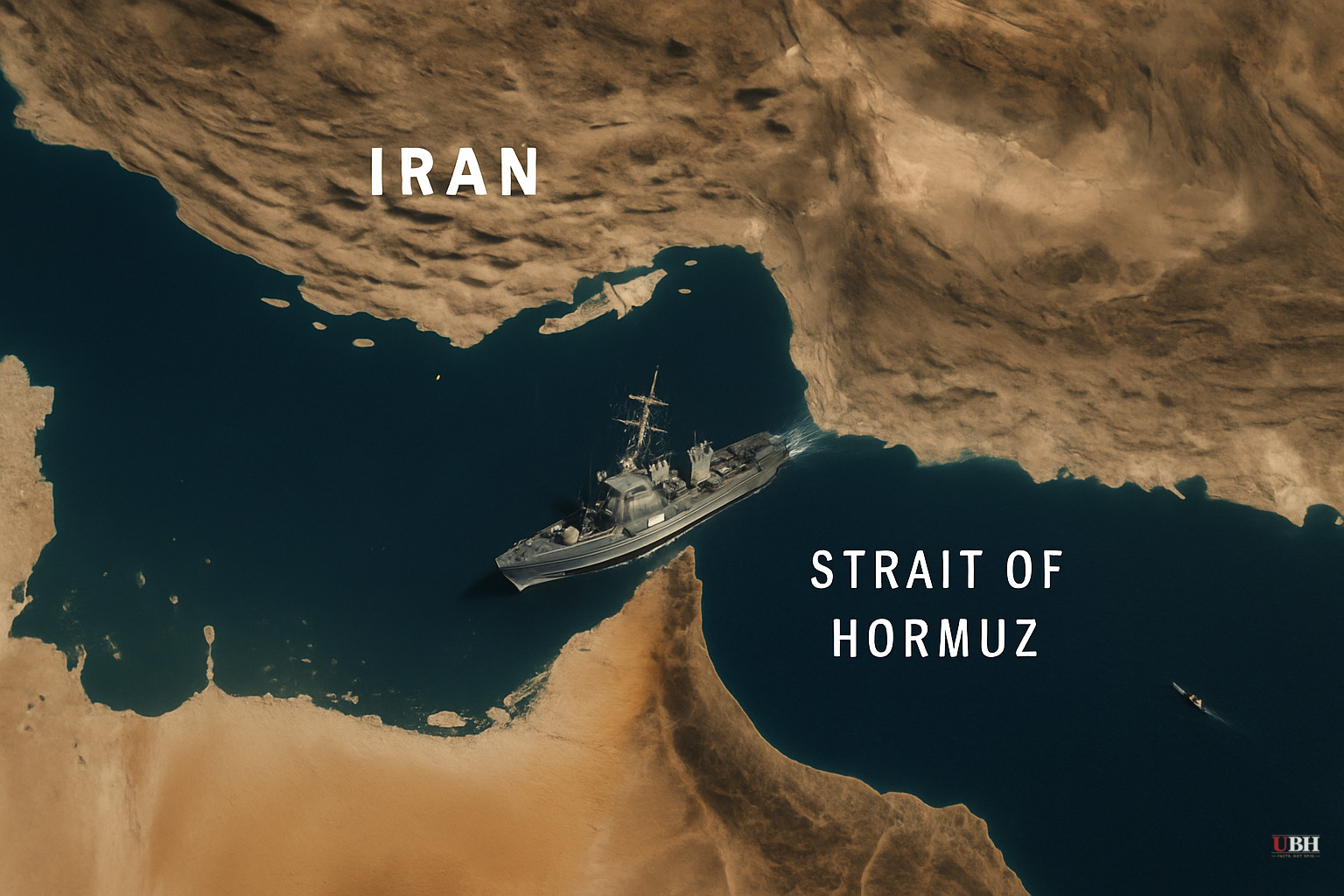
Since the U.S.-Iran war began roughly three and a half months ago, the two countries moved to the edge of a formal ceasefire on Sunday, June 14, 2026, though the picture on the Iranian side remains unsettled.
What Trump Said
President Trump posted on Truth Social Sunday that "The Deal with the Islamic Republic of Iran is now complete" and ordered an immediate end to the U.S. naval blockade of Iranian ports. "I hereby fully authorize the toll-free opening of the Strait of Hormuz," Trump wrote. "Ships of the World, start your engines. Let the oil flow!"
Minutes before Trump's post, Pakistani Prime Minister Shehbaz Sharif announced on X that both sides had "declared the immediate and permanent termination of military operations on all fronts, including in Lebanon." Sharif credited Qatar's leadership alongside Saudi Arabia and Turkey as key contributors to the mediation effort, according to Fox News.
The formal signing ceremony is scheduled for June 19 in Switzerland, Sharif said.
What Iran Actually Said
Iran's Fars news agency, which is close to Iranian conservative circles, reported Sunday that "The Islamic Republic of Iran has not yet taken or announced its final decision" on the memorandum of understanding, citing a source described as close to the Iranian negotiating team, according to The Hindu.
Iranian Foreign Ministry spokesman Esmaeil Baqaei said the signing date "has yet to be determined" and that it "will not be tomorrow," a direct contradiction of Trump's framing, though he acknowledged the possibility "in the coming days cannot be ruled out," per The Hindu.
Trump told The Wall Street Journal on Sunday that the deal would be signed either by him or Vice President JD Vance, according to Fox News. That timeline has not been confirmed by Tehran.
Israel Complicates the Picture
Israeli strikes on Beirut on Sunday reportedly delayed the announcement by several hours, according to The Hindu. Smoke from southern Lebanon was visible in Reuters footage taken June 14. The ceasefire terms reportedly include an end to Israel's offensive in Lebanon, though that element remains unverified by an independent third party as of Sunday.
The Hardliner Problem Inside Iran
The strongest argument against declaring this deal done comes from inside Iran itself. Iranian MP Kamran Ghazanfari said flatly that claims Iran "won" the negotiations are "a blatant lie," according to The Guardian. Meysam Nili, managing director of Rajanews and brother-in-law of former hardline president Ebrahim Raisi, called the proposed terms a "catastrophic capitulation" and urged Iranians not to stay silent.
On Saturday, June 13, dozens of protesters gathered outside a Foreign Ministry office in Mashhad, chanting against top diplomat Abbas Araghchi after he discussed signing the deal on television, per The Hindu. Women in black chadors were recorded chanting "death to dishonourable Araghchi, the infiltrator."
That internal pressure is real and cannot be dismissed as fringe noise. The Iranian regime has historically fractured over deals with the West, and the 2015 nuclear agreement ultimately collapsed partly because domestic opposition made implementation unstable.
What the Deal Actually Contains and Why the Two Sides Disagree
Iran's negotiating team adviser Mehdi Mohammadi pushed back against hardliner critics in an audio message, insisting the deal ends the war, halts Israel's Lebanon offensive, and does not require Iran to make new nuclear commitments. The only nuclear provision, Mohammadi said, is a restatement that Iran will not build or acquire nuclear weapons, "what we have been saying for years," per The Guardian.
Mohammadi also argued the phrase "Iranian arrangements" in the text allows Iran and Oman to charge transit fees in the Strait of Hormuz and would even bar Israeli commercial ships from the waterway. He said the U.S. had fought hard to remove that language and lost.
Hardliners dispute these interpretations and say they are working from the actual draft, not outdated versions. Mohammadi says critics are reading superseded text. Both cannot be right, and no independent verification of the final document has been published as of Sunday, June 14.
The Guardian noted that the deal's critics argue it fails to guarantee sanctions relief, compensation for Iran, or clear Iranian control of the Strait, points Mohammadi's team disputes.
The NY Post's Framing
The NY Post reported this as a completed, fully executed deal, writing that "The US and Iran have completed a peace deal." Iran's own Foreign Ministry spokesman and the Fars news agency both said as of Sunday that Tehran had not announced a final decision. The Post treated Trump's Truth Social post as the definitive record without noting Iran's public contradictions.
What Happens Next
Pre-implementation technical talks are scheduled for this week ahead of the June 19 Switzerland ceremony, according to Pakistan's Prime Minister Sharif via Fox News. Iran's nuclear program fate goes to a 60-day follow-on negotiation, per Mohammadi's account in The Guardian.
The unresolved question sitting at the center of all this: whether Iran's internal political pressure from MPs, conservative media figures, and street protesters can be contained long enough for Supreme Leader-level sign-off before June 19. Iran's Fars agency made clear Sunday that no such sign-off had been announced. If the hardliner faction succeeds in blocking formal ratification, the ceasefire Trump declared unilaterally still ends the U.S. naval blockade, but the war's legal termination and the nuclear follow-on talks collapse before they begin.
Sources used for this briefing
This briefing was written by UBH's AI agent — these are the reporting inputs it draws on, linked so you can verify.


