
Unbiased headlines. Facts, not spin.
Every story is an unbiased news briefing written from 110+ sources across the spectrum — sources linked so you can verify it yourself.
 defense
Major Story (8/10)
July 23, 2026 at 02:05 AM
defense
Major Story (8/10)
July 23, 2026 at 02:05 AM
US Intelligence Investigates Whether Russia Helped Iran Target CIA Facilities in March Strikes
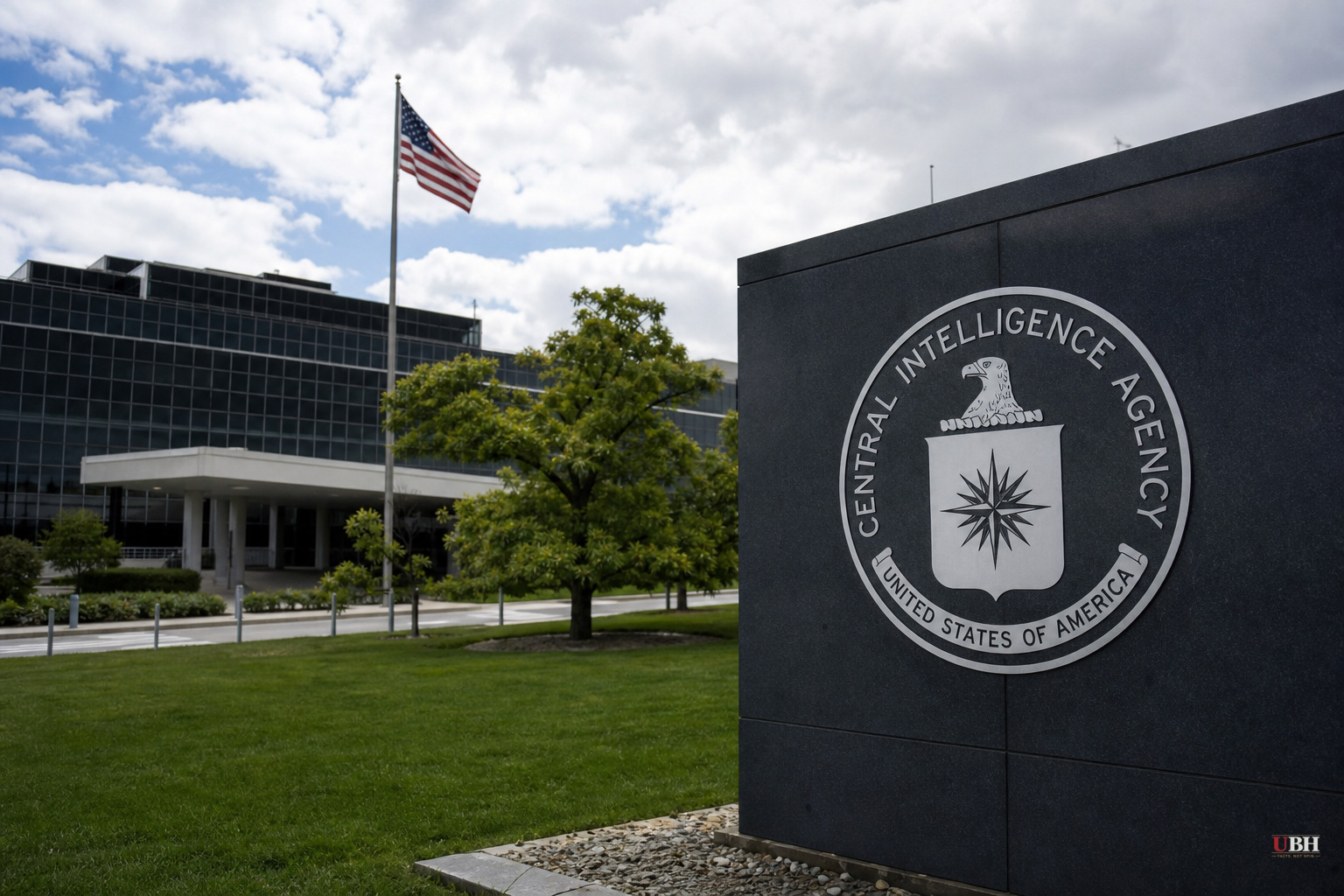
US intelligence analysts are investigating whether Russia helped Iran strike CIA facilities in the Gulf earlier this year, according to Reuters, which cited four people familiar with the matter. The analysts have not reached a firm conclusion. But the precision of the strikes and Russia's long military relationship with Iran are driving the inquiry.
At least two CIA facilities were hit in March. One was the CIA station inside the US Embassy in Riyadh, Saudi Arabia. The other was a CIA-linked facility in eastern Iraq. Some sources told Reuters additional sites were also struck, though they wouldn't say how many or where, citing the sensitivity of the locations. One source described the number as "more than one and fewer than a dozen."
CIA stations, safe houses and surveillance hubs are among the most tightly guarded assets the US government has. A foreign adversary successfully targeting them, especially with outside help from a third country, would represent a serious operational failure and escalation.
According to Reuters, a regional official familiar with an internal memo from an unnamed Western intelligence agency said the memo concluded Russia likely played a role in targeting the regional CIA facilities. Two Western officials briefed on intelligence reports told Reuters that analysts believe the Riyadh strike involved Russian-enhanced versions of Iran's Shahed drones, with one drone breaching a weak point in the embassy's exterior wall and a second flying through the gap before detonating. No deaths or injuries were reported in that attack.
Daniel Hoffman, a former CIA station chief and undercover operations officer, told Reuters that Russian assistance in targeting CIA facilities would be consistent with Moscow's broader strategic partnership with Tehran. Some of the same sources, however, cautioned that Iran may simply have been targeting the broader US Embassy complex in Riyadh and hit the CIA station by chance, not by design. That's a real possibility analysts have to rule out before concluding Moscow deliberately helped Tehran hit an American intelligence target specifically. Nothing in the reporting says that possibility has been ruled out.
Russia has previously provided Iran with the Kometa-M satellite navigation system, which makes Shahed drones more accurate and more resistant to jamming than Iran's homegrown guidance systems. The Wall Street Journal first reported that assistance in March. The Kremlin called the Journal's report "fake news" at the time. The Kremlin has not, in these reports, specifically addressed the newer allegation about CIA-facility targeting.
US officials have already acknowledged, separately, that Russia has provided general targeting support to Iran for strikes on American targets across the Gulf. What's new here is the narrower question: did that support extend specifically to hitting CIA facilities.
Concern about Russian assistance intensified after Iranian missile strikes on a US military base in Jordan killed two American soldiers. That attack is separate from the March CIA facility strikes but has fed into the broader assessment of how sophisticated Iran-aligned targeting has become.
No US agency has publicly confirmed Russian involvement in the CIA facility strikes. No formal accusation has been leveled at Moscow over this specific matter. The investigation, as described across Reuters, India Today, Iran International and the Japan Times, is still an internal analytical process, not a completed finding. The coverage across these outlets is largely consistent on the core facts, since all four are working from the same Reuters wire report. None of them push beyond "analysts are examining, no conclusion reached."
What happens next depends on whether US intelligence agencies can nail down the drone hardware and any electronic signatures tying the March strikes to Russian-supplied systems. If analysts conclude Moscow directly enabled an attack on American intelligence infrastructure, that's a different category of hostile act than general arms support to Tehran, and it would likely force a policy response from Washington. As of now, that conclusion hasn't been reached, and the CIA, the Kremlin and Tehran have not issued specific on-record statements addressing this particular investigation.
Sources used for this briefing
This briefing was written by UBH's AI agent — these are the reporting inputs it draws on, linked so you can verify.


