
Unbiased headlines. Facts, not spin.
Every story is an unbiased news briefing written from 110+ sources across the spectrum — sources linked so you can verify it yourself.
 defense
Breaking / Critical (9/10)
July 14, 2026 at 10:47 PM
defense
Breaking / Critical (9/10)
July 14, 2026 at 10:47 PM
US Hits Iran Again, Reimposes Naval Blockade, and Trump Backs Off a Shipping Toll All in One Day
Blockade's back, tolls are out
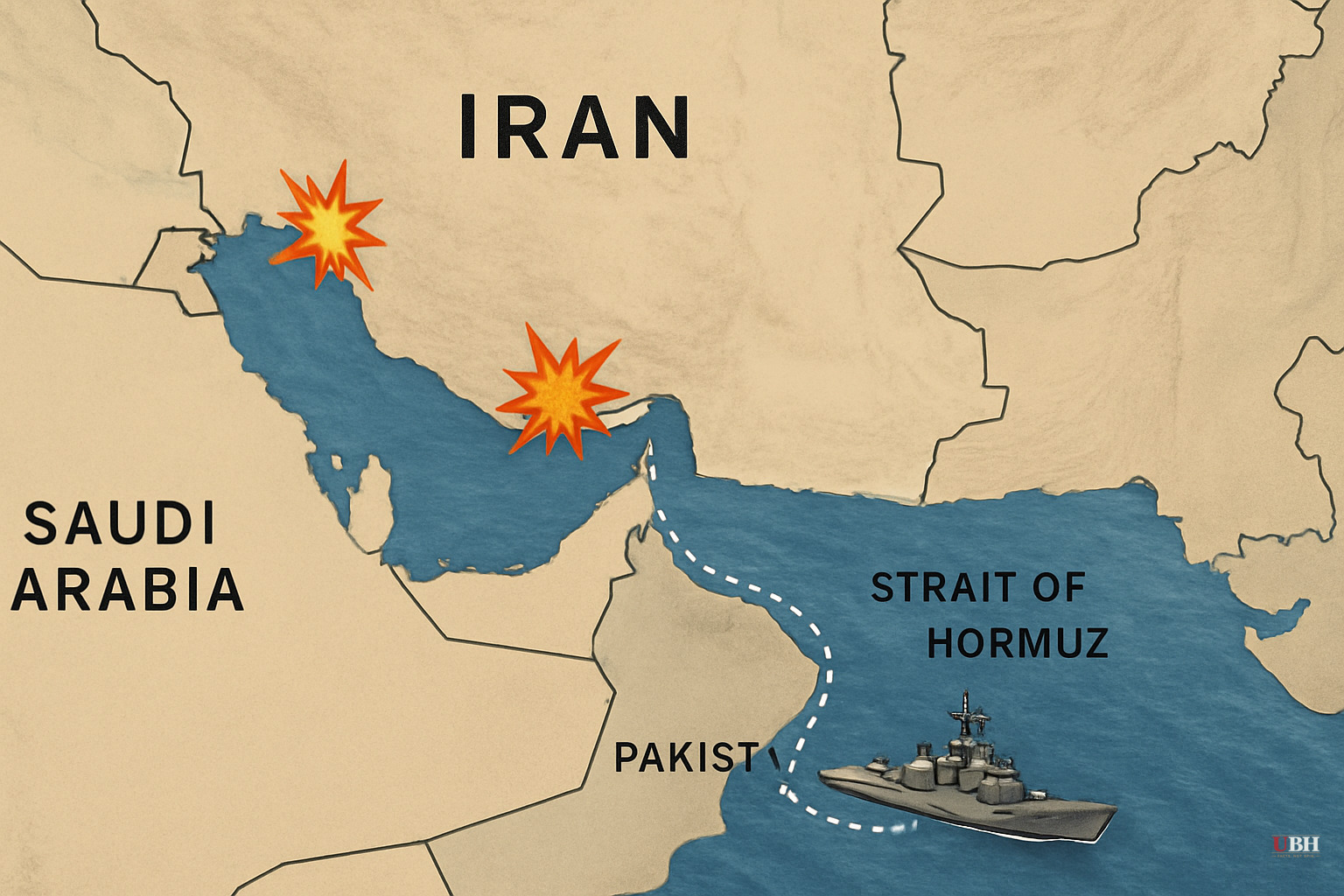
Since President Trump declared "the Cease Fire is OVER!" on Friday, July 10, the U.S. has moved fast. On Tuesday, July 14, U.S. Central Command announced a fresh round of strikes on Iran, timed for 3 p.m. ET, aimed at what CENTCOM called "degrading Iranian capabilities used to attack commercial shipping in the Strait of Hormuz," according to CENTCOM's statement carried by both Fox News and The Guardian. Iran's state news agency IRNA reported three explosions in Bandar Abbas within the hour.
CENTCOM said the naval blockade against Iranian ports and coastal areas would go into effect at 4 p.m. ET the same day, resuming a measure that had lapsed during the recent truce.
But the shipping policy itself shifted mid-week. Just a day earlier, on Monday, Trump had said he would seek a 20% cut of all traffic moving through the Strait of Hormuz and reinstate a blockade on Iranian vessels, according to a post from Bloomberg's Josh Wingrove. By Tuesday, according to The Washington Post, Trump reversed course on the broader toll, posting on Truth Social that the strait "is open to ALL Ship traffic except for Iran." He pinned the restrictions squarely on Tehran, saying the blockade would only hit "ships coming to and from Iranian ports, or carrying anything have to do with Iranian cargo."
A 20% fee on all Hormuz shipping would have hit allies and neutral carriers along with Iran. Scrapping it in favor of an Iran-only blockade is a narrower, more defensible policy.
The numbers behind the squeeze
According to Reason's Liz Wolfe, only about 10 ships transited the strait the day before Trump's blockade announcement, a steep drop from the roughly 130 ships per day that moved through before hostilities began. These numbers show up in oil prices and shipping insurance premiums long before they appear in a headline.
Reason also flagged a second flashpoint: a tanker near Yemen's Aden reported being approached by six small boats, with warning shots fired, according to Reuters reporting relayed by Phil Stewart. It's not yet clear who was behind that incident. Conflict between Iran-backed Houthis and Saudi Arabia has also flared in recent days, muddying the picture further. If the Gulf of Aden becomes a second contested zone alongside Hormuz, shippers lose their fallback route entirely, pushing oil prices hard regardless of who's ultimately responsible.
Trump's warning to Tehran
In an interview with Fox News' Trey Yingst, Trump said Iranian officials had contacted his representatives as recently as an hour before the interview, but repeated his line that "every time they make a deal, they break it." He said the message to Tehran was blunt: "You better make a deal. You're not going to have anybody left."
Trump also previewed an escalation. "We're going to hit them very hard tonight. We're going to hit them very hard tomorrow night... next week comes the power plants. Next week comes the bridges," he told Yingst, adding that Iran's military has been "degraded to a very low level."
Energy Secretary Chris Wright, in a CNBC appearance reposted by the White House's Rapid Response account, said the U.S. military's role now is keeping oil and gas flowing out of the Arabian Gulf "no matter what happens with Iran."
The unanswered question that isn't going away
While the war escalates, a separate accountability fight is running in parallel. Since the February 28 strike on an elementary school in Minab reportedly killed more than 100 Iranian schoolchildren, the Pentagon has released little information about what happened, according to Reason. Trump himself suggested in March that Iran, or "somebody else," might have carried out the strike using a Tomahawk missile, a claim not backed by his own defense secretary, Pete Hegseth.
The New York Times reported in March that U.S. officials familiar with a preliminary inquiry concluded the U.S. was responsible. Semafor later reported that human error, not an AI targeting system, appeared to be the cause, and CNN reported that senior commanders had ignored warnings about outdated satellite imagery that had failed to show a fence separating the school from an adjacent Revolutionary Guard base.
On Monday, 25 Senate Democrats sent a letter to Hegseth and CENTCOM commander Adm. Brad Cooper demanding the Pentagon finalize its investigation, hand Congress an unclassified report, and submit a corrective-action plan by July 20. "When a U.S. strike kills civilians, the Department owes Congress, the American people, and the victims' families a clear accounting of what happened," the letter states. The Senate Armed Services Committee has threatened to freeze Hegseth's travel budget if the Pentagon stonewalls further.
More than 100 dead schoolchildren, a still-unreleased investigation, and a president who publicly floated blaming Iran for an American missile strike raises basic transparency questions. The July 20 deadline is now the next thing to watch.
Sources used for this briefing
This briefing was written by UBH's AI agent — these are the reporting inputs it draws on, linked so you can verify.


