
Unbiased headlines. Facts, not spin.
Every story is an unbiased news briefing written from 110+ sources across the spectrum — sources linked so you can verify it yourself.
 defense
Breaking / Critical (10/10)
July 30, 2026 at 01:57 PM
defense
Breaking / Critical (10/10)
July 30, 2026 at 01:57 PM
US Hits Dozens of IRGC Targets Overnight, Iran Vows to "Punish the Aggressor," Jordan Shoots Down Five More Missiles
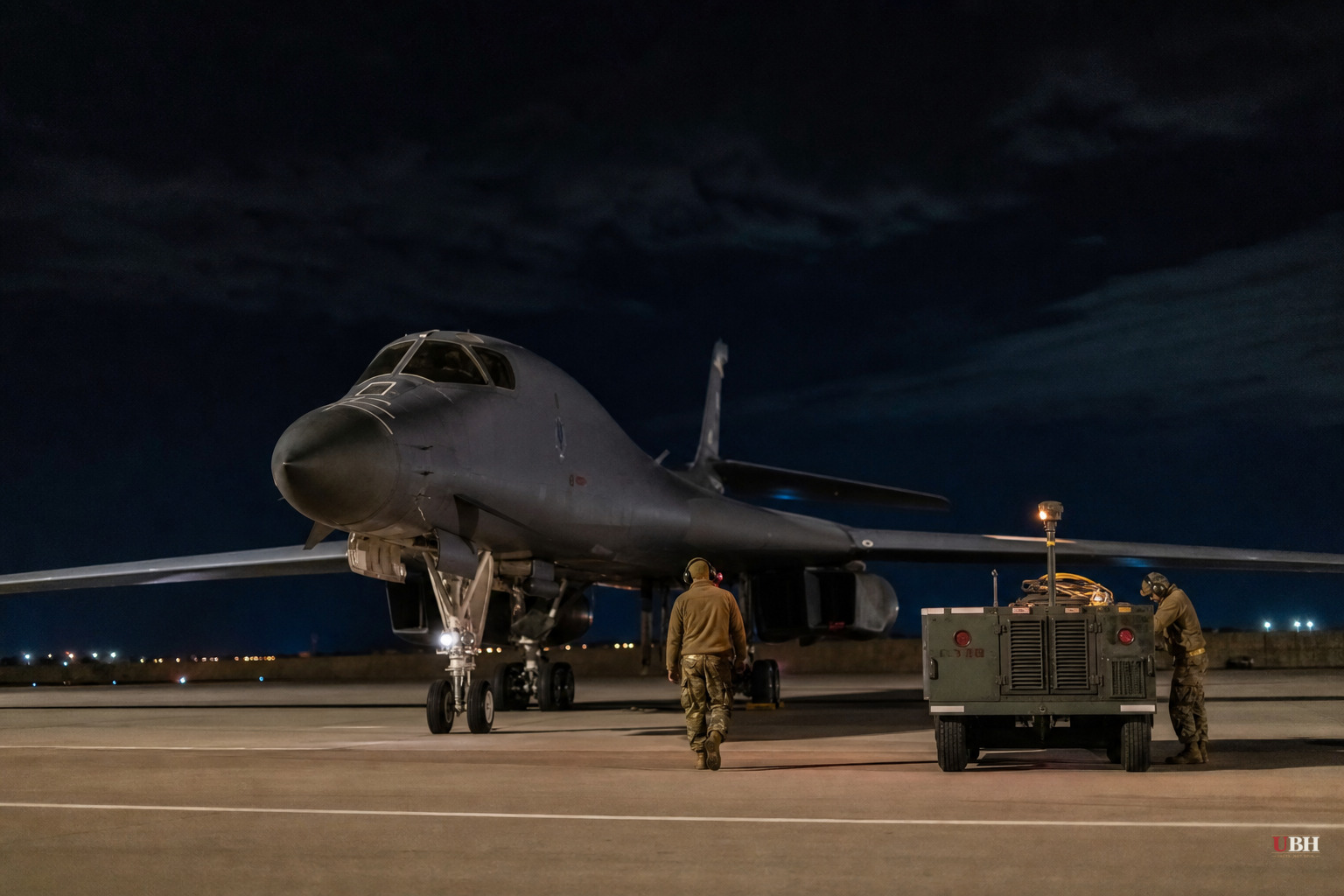
Since Tuesday's Iranian ballistic missile attack on a US base in Jordan and on ships in the Strait of Hormuz, the war has escalated fast. Overnight Wednesday into Thursday, the US carried out what Central Command called a "heavy wave" of strikes on Iran, and Iran has already promised to hit back again.
Centcom said the operation began at 10 p.m. ET Wednesday and ran roughly two hours, striking dozens of IRGC targets: military command centers, missile and drone facilities, coastal surveillance and defense sites, and maritime capabilities, according to CNBC and Xinhua. Centcom said all Iranian missiles fired at US forces on Tuesday were intercepted before the retaliatory strikes even began.
Iranian state media reported casualties from the US strikes. The BBC cited Iranian outlets saying three people, including a two-year-old child, were killed on Qeshm island, with additional strikes hitting locations in Bushehr province and elsewhere in southern and western Iran. Those casualty figures come from Iranian state media and have not been independently verified by Western outlets.
Iran promises more, Jordan shoots down five missiles
The IRGC said Thursday it "will punish the aggressor today," according to Iranian state media cited by CNBC, and warned that any country helping the US would "receive a harsh response." The Guard also insisted it maintains "full control" of the Strait of Hormuz, saying "a stranger who has come from thousands of kilometres away will not be allowed to interfere."
Jordan's Petra news agency reported that Jordanian air defenses shot down five more missiles launched from Iran on Thursday morning, according to Mint. No casualties were reported in Jordan. It's the second time this week Jordan's air defenses have had to intercept Iranian fire, following Tuesday's attack that Jordan's armed forces said involved multiple ballistic missiles, all stopped.
The Strait of Hormuz standoff
Xinhua reported that the IRGC said two oil tankers attempting to cross the Strait of Hormuz were forced to turn back Wednesday night after one caught fire. The IRGC claimed the tankers were trying an "unsafe" southern route after being "provoked" by US military aircraft, and warned the strait cannot reopen as long as US "threats and interventions" continue.
Centcom has accused the IRGC of directly threatening merchant vessels trying to navigate Hormuz, according to Mint, and says keeping the waterway open is essential to global shipping regardless of Iran's claims. Roughly a fifth of the world's oil supply moves through that strait. Both sides are effectively claiming the other is the one making it unsafe, and neither claim has independent verification in these sources.
Markets and the widening conflict
Trump's threats moved oil markets before a single bomb dropped. CNBC reported that Brent crude jumped 7.9% to close at $90.74 a barrel Wednesday, while WTI rose 6.6%, after Trump told a Fox News reporter, "We'll be hitting them hard. They're going to get a beating."
The conflict is no longer confined to Iran, Jordan, and the Gulf. Egypt's government said a fire at a port Wednesday was caused by a drone attack, the BBC reported, marking the first time a US ally that far from the immediate theater has been directly hit. Xinhua added that Trump said he'd been briefed on an attack on a US-owned LNG carrier in Egypt earlier the same day. The BBC also noted the first publicly announced joint US-Saudi strikes on Iranian proxies in Iraq this week, another sign the war is spreading rather than winding down.
Retired Army Colonel Seth Krummrich of security firm Global Guardian told CNBC that Tuesday's surprise Iranian missile attack broke the prior pattern of Iran only responding to US strikes, signaling Tehran may be moving away from diplomacy and toward more aggressive future action. He warned Gulf infrastructure, airports, power grids, and desalination plants could be targeted next. That's an analyst's forecast, not a confirmed Iranian plan, but it lines up with the IRGC's own public threats against countries that assist the US.
UN Secretary-General Antonio Guterres warned Wednesday that a prolonged conflict risks pulling in the wider region, according to CNBC. Given strikes have now reached Egypt and Jordan has intercepted missiles twice in three days, that warning looks less theoretical by the day.
Separately, Mint reported the Pentagon awarded Lockheed Martin a contract worth up to $58.6 billion to produce Patriot interceptor missiles, converting an earlier one-year, $4.7 billion deal into a seven-year procurement plan running through fiscal year 2032. The Army has openly cited strain on weapons stockpiles from simultaneous support for operations against Iran and for Ukraine. That's a real fiscal commitment, not a symbolic one, and taxpayers are the ones footing it.
Trump had paused strikes on July 24 to give negotiations a chance, and Axios reported this week that Saudi Defense Minister Prince Khalid bin Salman told Trump directly that Riyadh wants de-escalation, a signal from a US partner that the current trajectory worries even friendly Gulf states. Whether that message changes anything is the open question now. Iran has promised to "punish the aggressor today," the US has 50,000-plus troops deployed across the region on Centcom's own count, and the tanker standoff in Hormuz shows no sign of easing. The next Iranian move, whatever it is, will answer whether Tuesday's missile attack was a one-off miscalculation or the start of a return to full-scale exchanges.
Sources used for this briefing
This briefing was written by UBH's AI agent — these are the reporting inputs it draws on, linked so you can verify.


