
Unbiased headlines. Facts, not spin.
Every story is an unbiased news briefing written from 110+ sources across the spectrum — sources linked so you can verify it yourself.
 defense
Breaking / Critical (9/10)
August 1, 2026 at 10:13 PM
defense
Breaking / Critical (9/10)
August 1, 2026 at 10:13 PM
US Embassies Across Middle East Tell Americans to Prepare to Leave as Trump Weighs New Strikes on Iran
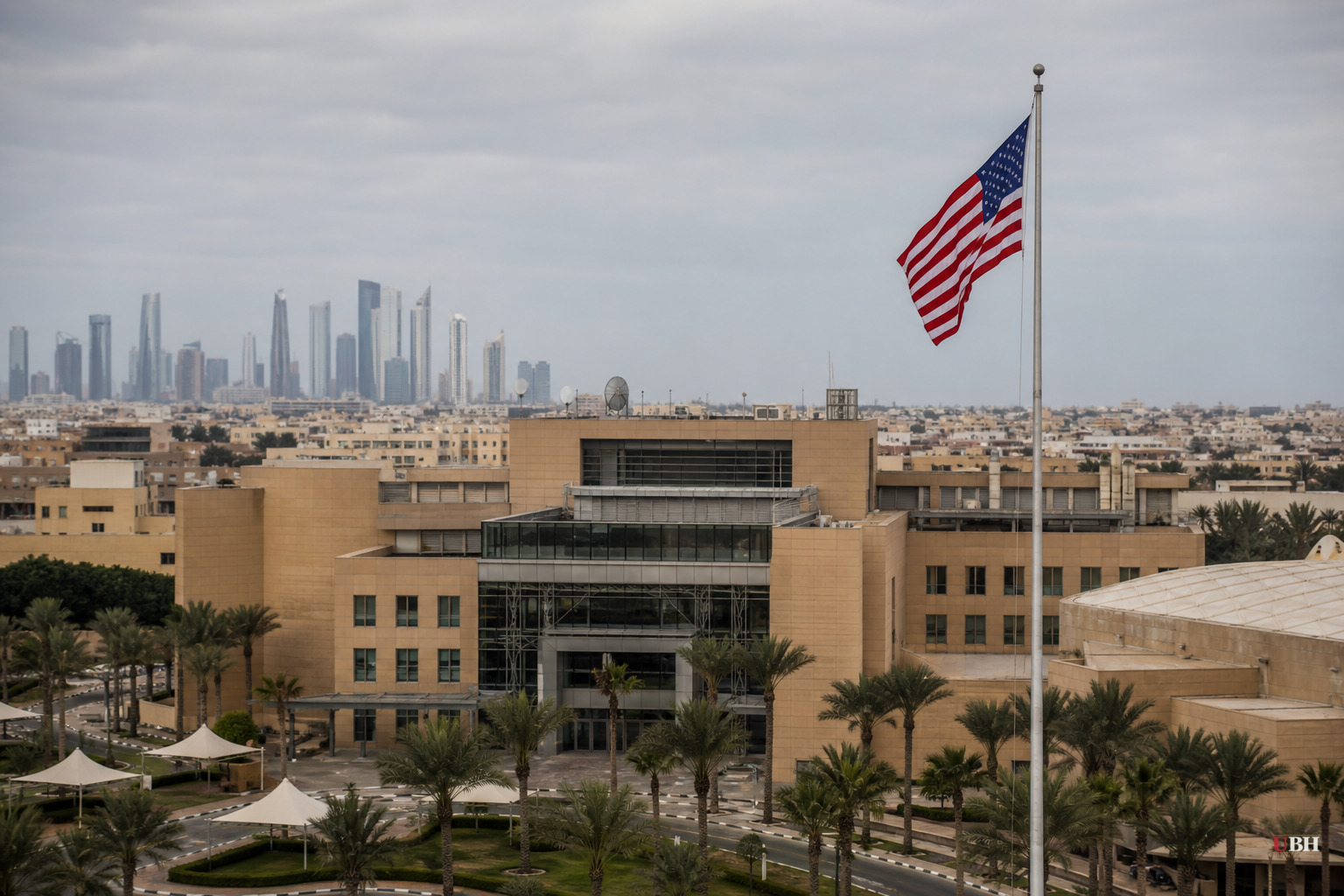
US embassies in Bahrain, Iraq, Israel, Jordan, Kuwait, Lebanon, Oman, Qatar, Saudi Arabia and the UAE posted identical security alerts on Saturday telling American citizens to consider leaving the Middle East or be ready to go at short notice, according to the BBC, Gulf News and the Times of India, all of which confirmed the identical text sent from each post.
The alert calls the situation "fluid" and describes the Iranian regime as "unpredictable," pointing to recent strikes carried out "without warning or provocation" and an expansion of attacks into areas not previously hit, including Egypt, according to the Times of India. Americans in the region are told to expect flight cancellations, airspace closures and general travel disruption.
This isn't a one-off warning. Gulf News reports the US and Iran have been in open conflict since February 28. A ceasefire brought a period of calm, but that broke down, and strikes resumed. The war has now dragged on for months, hammering global energy markets and upending daily life for people across the region, per Gulf News reporting.
What triggered this latest alert
The immediate spark, according to the BBC, is that Trump may be planning a new and more intense round of strikes on Iran, possibly as soon as this weekend. CBS News, the BBC's US media partner, reported that Trump and Israel were discussing what would be one of the harshest bombing campaigns yet against Iranian energy infrastructure, a plan reportedly discussed at Friday's cabinet meeting.
CBS News sources told the BBC that some White House political aides pushed back hard against the idea in that meeting. Trump, for his part, was heard telling reporters in the room: "We'll be hitting them very hard. At some point, they're going to say, 'We just can't take it anymore.'"
This comes on the heels of what US Central Command described as a "heavy wave" of strikes against dozens of Iranian Revolutionary Guard Corps targets, launched in retaliation for Iranian ballistic missile attacks on US forces in Jordan and shipping in the Strait of Hormuz earlier in the week, according to the BBC. Iranian state media said three people, including a two-year-old child, died in those US strikes.
Iran's response and the regional stakes
Iran isn't backing down rhetorically. Ali Abdollahi, head of Iran's military central command, said on state television that any country serving as a "defensive shield for criminal and aggressive America" would be "engulfed by the flames of war," according to Gulf News. Mohammad Mokhber, an adviser to Iran's supreme leader, issued a similar warning against strikes on Iranian infrastructure.
Ali Gholhaki, an activist close to Iranian Parliament Speaker Mohammad-Bagher Ghalibaf, said Iran is preparing to target "critical infrastructure of the region and Israel" if its own energy infrastructure suffers extensive damage in a joint US-Israeli attack, according to Iran International. The source's proximity to Iranian leadership lends weight to the statement, though it remains a stated intention rather than a confirmed plan of action.
Not everyone reads the moment the same way. Retired Vice Admiral Robert Harward, former deputy commander of US Central Command, told Iran International that Iran's missile and drone capabilities are degrading fast as US strikes hit production facilities, calling it possibly "the last gasp of a desperate regime." Mark Penn, a former Clinton adviser, argued on X that Iran had repeatedly rejected chances at diplomacy, including violating a prior memorandum of understanding before attacking ships in the Strait and firing on US forces in Jordan, and that force may be the only option left.
Others are asking harder questions about where this goes. Russia's envoy to international organizations in Vienna, Mikhail Ulyanov, posted publicly questioning whether the embassy evacuation warnings signal an imminent new escalation, essentially reading the same tea leaves as everyone else and wondering aloud if Washington is about to go further.
Turkey is still trying to play mediator. Foreign Minister Hakan Fidan said he spoke by phone with Iranian Foreign Minister Abbas Araghchi on Saturday night to discuss the "ongoing negotiation process," according to Iran International, and said Turkey would keep working toward ending the conflict. That diplomatic channel remains open even as the military track escalates.
What's unresolved
No US strike on Iranian energy infrastructure had been confirmed as of Saturday. The reporting from CBS News, relayed by the BBC, describes a plan under discussion, opposed internally by some White House aides, not an order that's been executed. Whether Trump moves forward, and how Iran actually responds if US and Israeli forces hit energy targets at scale, are the two questions hanging over every embassy in the region right now.
Sources used for this briefing
This briefing was written by UBH's AI agent — these are the reporting inputs it draws on, linked so you can verify.


