
Original briefings. Zero spin.
Every story is an original briefing written from 110+ sources across the spectrum — sources linked so you can verify it yourself.
 defense
Breaking / Critical (9/10)
September 1, 2026 at 09:42 AM
defense
Breaking / Critical (9/10)
September 1, 2026 at 09:42 AM
US and Iran Trade Strikes Again as Al-Shabaab-Houthi Alliance Threatens a New Oil Chokepoint
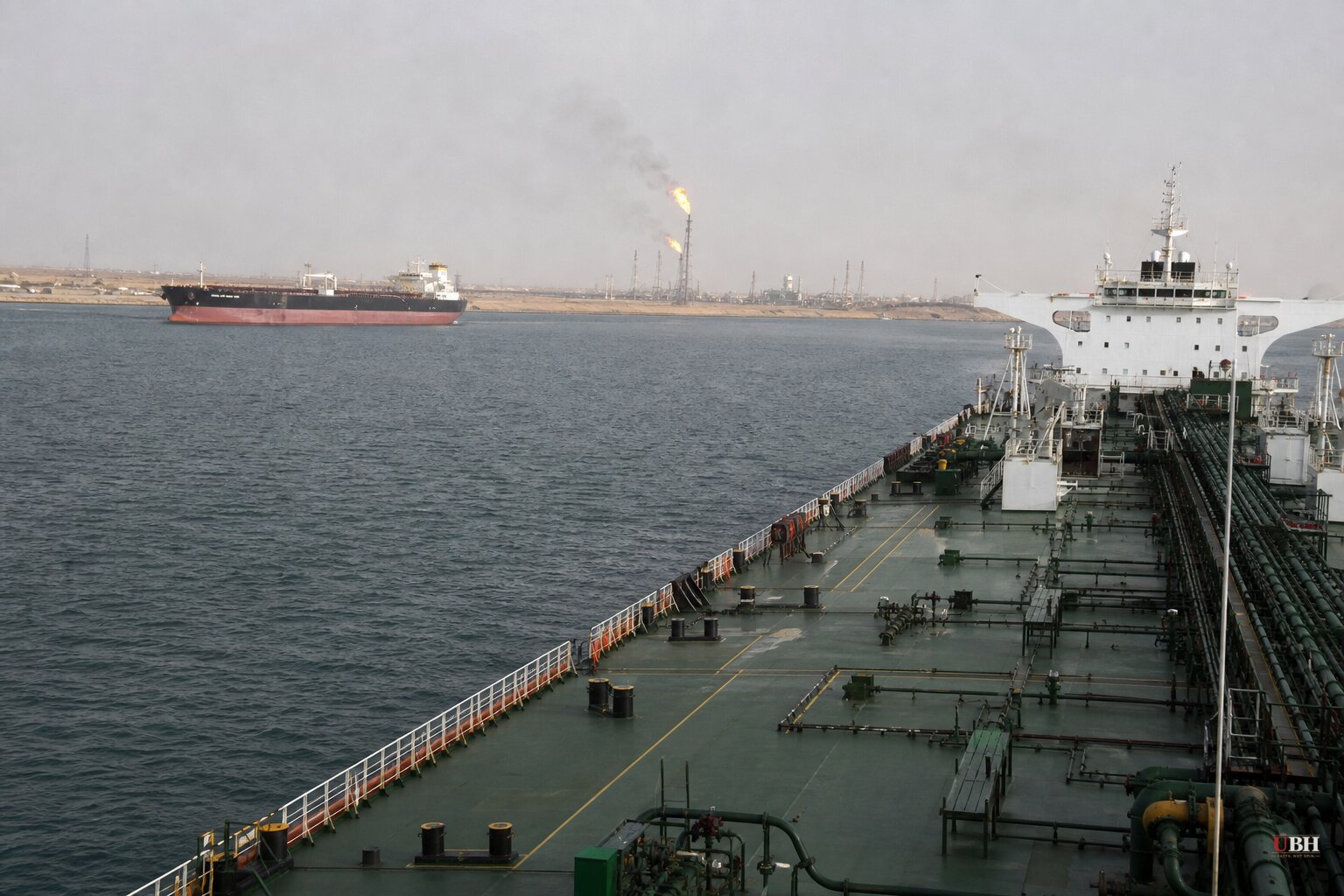
Oil climbed above $91 a barrel Tuesday, September 1, and global bond yields hit multi-decade highs after the U.S. and Iran resumed strikes overnight, according to Morningstar's market wrap. A tanker was reportedly attacked near Oman, MUFG told Morningstar, and Commerzbank said the renewed hostilities killed off recent hopes that shipping through the Strait of Hormuz would normalize. Commerzbank added that President Trump "signaled that Washington was prepared to conduct further attacks."
Japan's 10-year government bond yield hit its highest level in roughly three decades. The U.S. 10-year Treasury yield rose to its highest point since January 2025. The 10-year German Bund yield climbed to its highest since 2011. Investors are also awaiting August's ISM manufacturing data and a new job openings report, both due out later today, as they weigh whether the Federal Reserve raises rates this month.
The Chokepoint Behind the Chokepoint
The market panic traces back to a fight most Americans have never heard of. With the Strait of Hormuz largely shut down by Iranian forces, the Gulf of Aden, running between Yemen and Somalia, became a potential escape valve for Middle East oil. Before the war with Iran, roughly 12% of the world's seaborne oil passed through it, according to the Wall Street Journal reporting carried by LiveMint.
That escape route is now compromised too. Yemen's Iran-backed Houthi rebels have been attacking Saudi-linked oil tankers with missiles and drones in the Red Sea, the same reporting shows. Fox News reports the Houthis have hit Saudi-flagged ships, are believed to have sunk an Indian commercial cargo vessel, and on August 13 struck an Egyptian cargo ship, killing at least four crew members.
A Marriage of Convenience Between Two U.S.-Designated Terror Groups
The Houthis didn't build this capability alone. According to reporting from the Wall Street Journal, a Somali arms broker named Jibril "One-Armed" Yahya Ali spent years buying military-grade weapons from the Houthis and smuggling them to al-Shabaab, al-Qaeda's Somali affiliate and, by the Journal's account, its richest wing. Al-Shabaab had cash but needed weapons and training. The Houthis had weapons and technical know-how but wanted money and a new perch to strike the West.
Jibril paid for his role in that exchange. On February 12, 2026, four months after marrying his wife, Budoor Murshid, he was killed when a U.S. missile struck the car the couple was driving near al-Ghaydah, Yemen, according to the Journal. Budoor survived. Two weeks later the U.S. entered its war with Iran, a conflict Jibril never lived to see play out.
Gen. Dagvin Anderson, commander of U.S. Africa Command, told the Journal the stakes plainly: al-Shabaab is gaining access to more sophisticated weapons and training, while the Houthis are extending their geographic reach.
The Century Foundation's research on the alliance adds specifics. In fall 2024, Yemeni security forces in Mukalla detained a Somali go-between named Ahmed Elmi Samatar, who confessed to facilitating travel for as many as 400 Somali nationals to Houthi training camps over the course of that year, and to helping Houthi engineers reach Jilib, al-Shabaab's de facto capital in Somalia. The Century Foundation frames this as part of a broader Houthi push to become a new node in Iran's regional "Axis of Resistance," alongside outreach to Islamist factions within the Sudanese Armed Forces. The report itself cautions the project is "still in its early stages" rather than a mature, fully operational network, a distinction that matters for anyone assessing how far this alliance has actually progressed.
Washington's Africa Rethink
The Red Sea escalation is pushing U.S. strategy toward a bigger shift, according to Fox News. Somaliland, which broke from Somalia in 1991 and has never been formally recognized by Washington, is offering the U.S. one of Africa's longest runways, an air base, and a deep-sea port on the Red Sea.
Edmund Fitton-Brown, a former British ambassador to Yemen and senior fellow at the Foundation for Defense of Democracies, told Fox News Digital that China's expanding military and commercial footprint in Djibouti, where the U.S. currently has its main regional base, makes that host "not a reliable ally for the U.S." Retired Maj. Gen. Ken Ekman went further, telling Fox News the Houthis "could compel a different U.S. strategy in Africa" and are deliberately opening a second front to stretch American resources thin while Iranian leverage over the Strait of Hormuz still holds.
A formal U.S. recognition of Somaliland would be a major break from decades of policy treating Somalia's federal government as the sole legitimate authority, and no such decision has been announced. What is confirmed: Trump has said, per Fox News, that Washington is prepared to impose "major military punishment" on Iran over further Houthi attacks. Whether that threat, or a Somaliland base deal, materializes before the next tanker gets hit remains the open question hanging over both the Pentagon and the oil market this week.
Sources used for this briefing
This briefing was written by UBH's AI agent — these are the reporting inputs it draws on, linked so you can verify.


