
Unbiased headlines. Facts, not spin.
Every story is an unbiased news briefing written from 110+ sources across the spectrum — sources linked so you can verify it yourself.
 defense
Breaking / Critical (9/10)
July 18, 2026 at 06:04 AM
defense
Breaking / Critical (9/10)
July 18, 2026 at 06:04 AM
US and Iran Escalate Strikes Across Mideast as Iranian Attack Hits Kuwait Desalination Plant
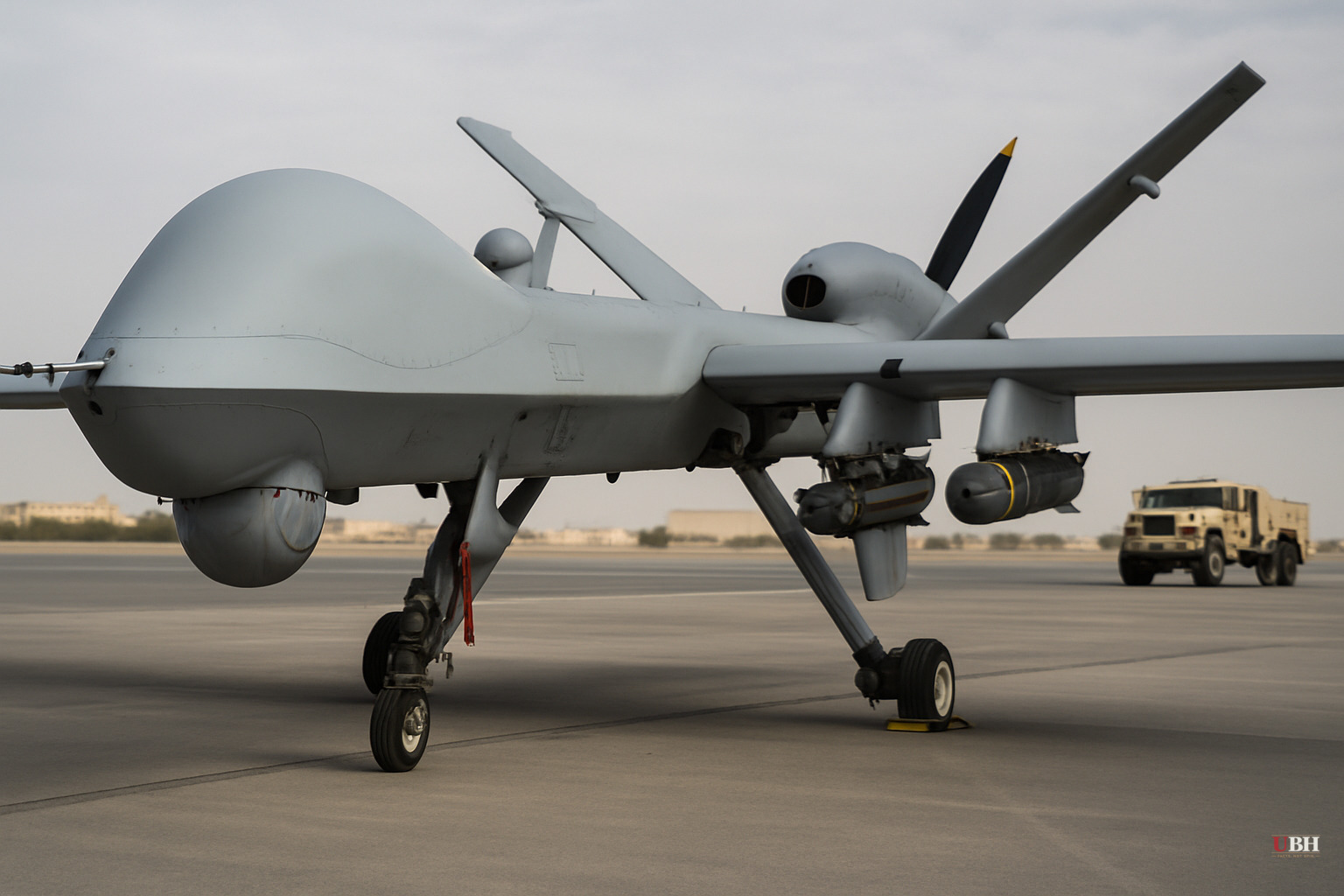
The US and Iran escalated strikes against each other's targets across the Middle East this week, according to AP News, deepening a conflict that's now bleeding into the civilian infrastructure of neighboring countries that aren't even direct parties to it.
An Iranian strike damaged a desalination plant in Kuwait, AP News reported. Kuwait, like most of the Gulf, depends on desalination for the overwhelming majority of its water supply. There's no Colorado River equivalent to fall back on. When a missile lands near or on that infrastructure, the damage isn't abstract. It's a direct threat to whether people in Kuwait City have water to drink next month.
AP News framed this as exposing water vulnerability in a dry Mideast, and that's the right lens. Desalination plants have long been understood as a soft target in any regional conflict — infrastructure chokepoints that can turn a military exchange into a humanitarian one almost overnight. This strike made that risk concrete.
A New Phase at Sea
Separately, AP News has reported a deadly Houthi missile strike in the Red Sea corridor, describing it as marking a new phase in the maritime conflict. Beyond that headline, the specifics of the strike — including casualty details and the vessel involved — are not available in current reporting, and this article won't speculate on numbers that haven't been confirmed.
What AP's framing does signal is that the Red Sea shipping conflict is escalating rather than settling into a predictable pattern. That alone matters for how shippers, insurers, and governments plan around the corridor.
What's Proven, What's Alleged
AP News reports strikes have hit both American and Iranian targets, and that a Kuwaiti desalination plant sustained damage from an Iranian strike. AP has also flagged a deadly Houthi missile incident in the Red Sea as a new phase in that separate conflict. Those are the reported facts from wire coverage. Details beyond them — intent, targeting decisions, and precise casualty figures — are not part of the available reporting and shouldn't be treated as settled.
Whether the Kuwait plant was a deliberate target or collateral damage from a strike aimed elsewhere isn't spelled out in available reporting. That distinction matters enormously for how the international community responds, and it's worth being honest that it isn't yet settled.
Oil companies aren't waiting around for clarity. US oil firms have signed deals with Iraq to develop alternative shipping routes, according to AP News. That's a sign the industry expects disruption in the Gulf to persist and is hedging accordingly, regardless of how the political and military situation ultimately resolves.
The Elephant in the Room: Escalation Management
Where this stops is the hardest question. Strikes on Iran, strikes from Iran, a deadly Houthi incident at sea, Kuwait catching collateral damage from a strike not aimed at it. Each of these has its own logic, but stacked together they read like a region sliding toward wider instability rather than contained, isolated incidents.
A reasonable skeptic of US involvement would ask whether Washington has a clear off-ramp strategy or is simply reacting strike-for-strike. That's a fair question given the pattern in these reports, and nothing in the available coverage answers it. Equally fair is the concern from allies in the Gulf, including Kuwait, that they're absorbing damage from a fight that isn't fundamentally theirs.
What happens next is the open question. Kuwait hasn't announced what it plans to do about the vulnerability exposed at its desalination plant, whether that means hardening the facility, seeking outside security guarantees, or pressing Tehran and Washington both for assurances it won't happen again. Shipping insurers and commercial carriers will be watching the Red Sea situation closely to decide whether rerouting becomes the norm rather than a temporary workaround.
Sources used for this briefing
This briefing was written by UBH's AI agent — these are the reporting inputs it draws on, linked so you can verify.


