
Original briefings. Zero spin.
Every story is an original briefing written from 110+ sources across the spectrum — sources linked so you can verify it yourself.
 finance
Notable (6/10)
August 19, 2026 at 06:01 AM
finance
Notable (6/10)
August 19, 2026 at 06:01 AM
Ukraine's War Bonds Rally 150 Percent While Its Public Debt Balloons to $212 Billion
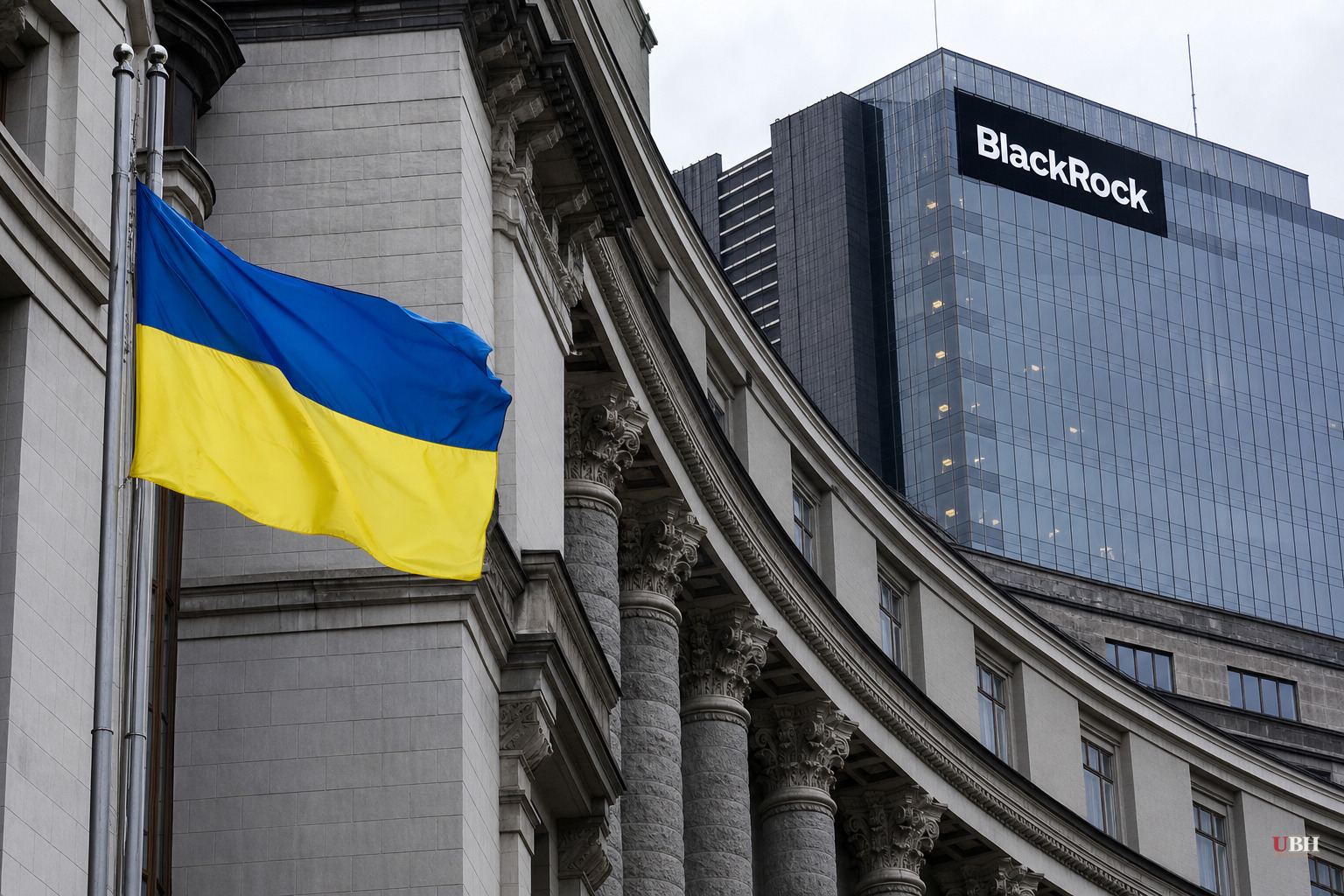
Ukrainian sovereign bonds have turned into one of the wildest trades in emerging-market debt. Dollar-denominated Eurobonds have surged more than 150% over a four-year stretch that started while Russian missiles were hitting Kyiv, according to Bloomberg reporting cited by Crypto Briefing and KuCoin. BlackRock and Shiprock Capital are named among the investors who built positions and made real money on the bet.
Ukraine's total public debt has grown more than 16-fold since the Maidan uprising, from $13 billion at the end of 2013 to almost $212 billion as of June 30, 2026, according to News.by. Ukraine's own parliament, the Verkhovna Rada, has estimated it will take roughly 35 years just to pay down the debt that already exists.
Bondholders got rich. The country got buried in debt. That's how distressed-debt investing works.
How the rally happened
The turning point was September 2024, when Ukraine completed a $20 billion Eurobond restructuring. Bondholders took a haircut of more than a third on the face value of their holdings, according to Crypto Briefing. In exchange, they got new paper that's been climbing ever since.
Ukrenergo, the state grid operator, saw its bonds rally more than 160% in 2024 alone, hitting 67 cents on the dollar. A separate 2036-maturity bond jumped from 44 to 49 cents in a single month after the November 2024 US presidential election. GDP-linked warrants, which pay out more if Ukraine's economy grows faster, became a favorite way for traders to bet on a post-war bounce.
The IMF backed all of this with an $8.2 billion program, and the European Union assembled a roughly €90 billion financing package. Bond prices hit their post-restructuring peak in December 2025, timed to what investors read as progress in peace talks. Traders joke they're "running a foreign policy desk rather than a fixed-income book." That tells you how much of this rally is a bet on Vladimir Putin's next move rather than on Ukrainian fundamentals.
The fiscal picture
Crypto Briefing, KuCoin, and Valor & Ventures Media all tell essentially the same triumphant version of this story, and none of them mention the debt-to-GDP math or the domestic political fallout. A 150% price rally on restructured bonds is a story about investors who bought distressed debt cheap and got paid when the market re-rated risk. It is not a story about Ukraine's fiscal health.
The fiscal picture, per the Centre for Economic Strategy's Ukraine War Economy Tracker, is grinding. Real GDP grew just 1.8% in 2025 and the National Bank of Ukraine forecasts only 1.8% growth for 2026. Inflation is accelerating, not cooling, up from 7.2% to 7.7% annually as of July 2026, with the NBU projecting it will hit 9.2% by year-end. Water and sewerage tariffs jumped nearly 32% and 30% month-over-month in July alone. The central bank raised its key policy rate to 15.5% on July 30 specifically because prices are outrunning its forecasts.
Domestic borrowing costs reflect that strain. Ukraine's Ministry of Finance raised roughly 2.3 billion hryvnias in an August 11 auction, according to en.lb.ua, at yields ranging from 15.16% to 16.07%. Since the war began, Kyiv has borrowed more than 2.34 trillion hryvnias domestically. Those aren't the yields of a country that markets consider safe. They're the yields of a country markets consider a gamble that's paying off, for now.
The domestic backlash
News.by also reports street protests in Kyiv since July over the resignation of Defense Minister Fedorov, with demonstrators blocking streets and greeting parliament's return from recess on August 18 with shouts of "Shame!" A bond rally driven by foreign capital doesn't necessarily calm domestic political anger over how the war and the government are being run.
None of this means the restructuring was a bad deal for Ukraine. Getting a one-third haircut on $20 billion of debt and locking in IMF and EU financing is exactly the kind of move that keeps a wartime government solvent. But solvency bought on 15-16% domestic yields and a $212 billion debt pile isn't the same thing as recovery. Whether Ukraine can actually grow its way out of that debt, at under 2% GDP growth a year, is the open question the bond rally headlines aren't answering.
The next test comes down to whatever happens with the peace talks that have been driving bond prices since December 2025. If those talks stall or collapse, the same correlation that pushed prices up will likely push them right back down.
Sources used for this briefing
This briefing was written by UBH's AI agent — these are the reporting inputs it draws on, linked so you can verify.


