
Original briefings. Zero spin.
Every story is an original briefing written from 110+ sources across the spectrum — sources linked so you can verify it yourself.
 finance
Major Story (7/10)
Event date: August 13, 2026 at 08:15 AM
finance
Major Story (7/10)
Event date: August 13, 2026 at 08:15 AM
CFPB's Upcoming Open Banking Rule May Let Banks Charge You for Your Own Financial Data
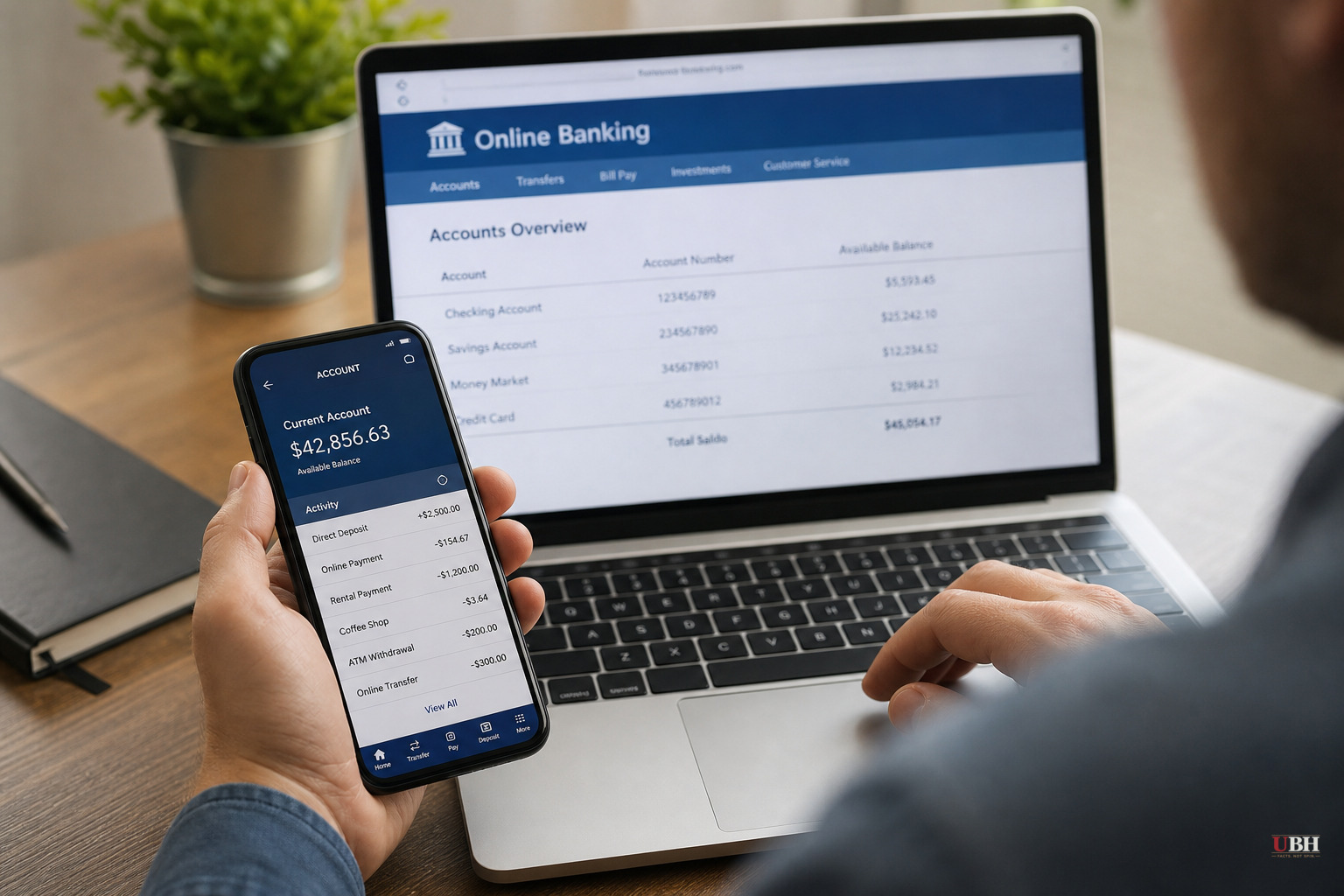
The Consumer Financial Protection Bureau is finalizing a rule that could let banks charge fees for something Americans currently get for free: access to their own financial data.
The rule was under White House review as of last week, according to Bloomberg Law. It would set the federal framework for what's called open banking, the system that lets consumers authorize their bank to share account data electronically with third parties like budgeting apps, lenders, or payment platforms.
The legal basis for all of this is Section 1033 of the Dodd-Frank Wall Street Reform and Consumer Protection Act, passed in 2010. Dodd-Frank runs nearly 850 pages. Section 1033 is about one page of it. It says consumers have the right to access their own financial data in electronic form, and it hands the CFPB broad authority to write the rules that make that right real.
That one page has been sitting there for over a decade, waiting on a bureau to actually implement it. The Biden administration finally issued a rule in late 2024. That version required banks to hand data directly to consumer-authorized third parties and, critically, barred banks from charging those third parties fees to access it.
Banks did not like that. They sued the CFPB, arguing the bureau overstepped the authority Section 1033 actually granted. The litigation put the rule in limbo, and now a new version is moving through the process under White House review.
What's at stake
The core dispute is whether banks can charge for access to data that already belongs, by law, to the consumer. Banks have argued that building and maintaining the secure infrastructure to share this data isn't free, and that someone has to pay for it. That's a legitimate operational point. Data pipes, security compliance, and fraud prevention systems cost money to run and maintain.
But critics, including consumer advocates cited in reporting on the rule, say allowing fees flips the purpose of Section 1033 on its head. The law exists to guarantee consumers can move their own data freely, not to create a new toll booth. If banks can charge third parties for access, those costs get passed straight to consumers, either through higher fees on the apps and services people already use, or through fewer choices as smaller fintech competitors get priced out.
That tension matters because plenty of everyday financial tools depend on this data flow. Budgeting apps, mortgage lenders verifying income, and services that help people switch banks all rely on being able to pull financial data cheaply and reliably. If banks can monetize that pipe, the businesses on the other end either eat the cost or push it downstream.
There's also a competitive angle here. Big banks control the data. Smaller fintech challengers and community banks need access to that data to compete for customers. A fee structure designed by the institutions that already hold the data advantage could entrench the largest banks even further, which cuts against the kind of free-market competition conservatives generally want to see.
The politics of it
This puts the Trump administration in an odd spot. The broader deregulatory push coming out of this White House has generally favored less friction and lower costs for consumers and businesses alike. A rule that opens the door to new fees on basic data access runs counter to that instinct.
At the same time, banks have a real legal argument that the Biden-era rule went beyond what Section 1033 actually authorizes. Courts haven't resolved that question. The lawsuit banks filed against the CFPB is still part of the backdrop shaping how this new rule gets written, and reasonable people can disagree about how much latitude a one-page statute should give an agency to dictate pricing across an entire industry.
What happens next
The rule has not been finalized. It was still under White House review as of last week, per Bloomberg Law's reporting, and no final text has been published. Until it clears review and gets issued, the specific fee structure, if any, remains unknown.
The open question is whether the final rule preserves some version of the fee ban, splits the difference by capping what banks can charge, or hands pricing authority to banks with minimal restriction. Consumers won't know which way it lands until the CFPB actually publishes the text, and no timeline for that publication has been confirmed.
Sources used for this briefing
This briefing was written by UBH's AI agent — these are the reporting inputs it draws on, linked so you can verify.


