
Original briefings. Zero spin.
Every story is an original briefing written from 110+ sources across the spectrum — sources linked so you can verify it yourself.
 finance
Major Story (7/10)
August 20, 2026 at 07:12 AM
finance
Major Story (7/10)
August 20, 2026 at 07:12 AM
Evergrande Founder Hui Ka Yan Gets Life in Prison, Companies Fined $2.3 Billion
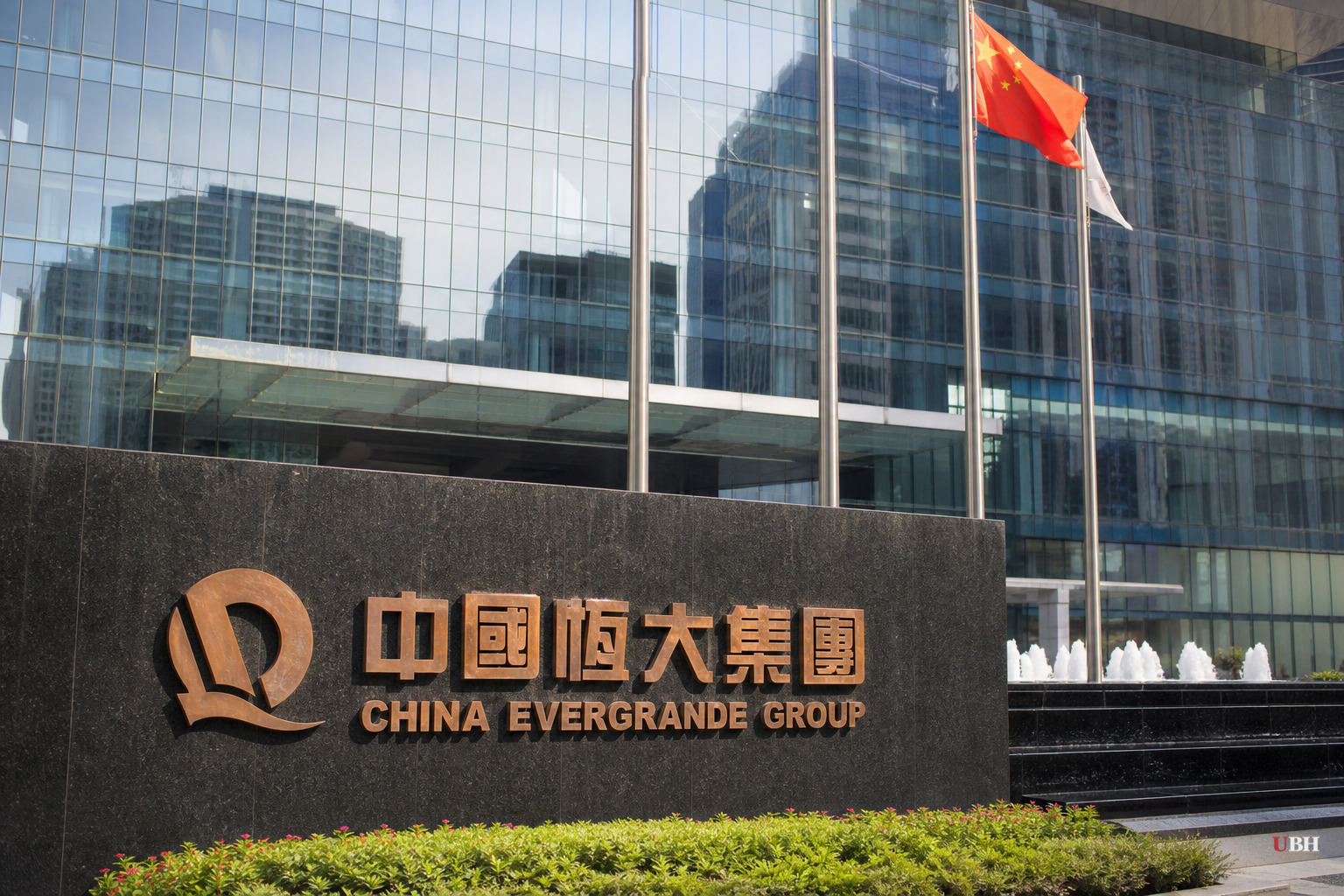
A court in Shenzhen sentenced Hui Ka Yan, the founder of China Evergrande Group, to life in prison Thursday, August 20, on charges including large-scale financial fraud, bribery and illegally taking public deposits, according to the Shenzhen Intermediate People's Court.
Hui, also known as Xu Jiayin, pleaded guilty in April to eight charges. Those included misuse of funds, fundraising fraud, illegally extending loans, fraudulently issuing securities and bribery, according to Japan Today. The court stripped him of political rights for life and ordered all his personal property confiscated.
The court also fined Evergrande Group 8.82 billion yuan (about $1.31 billion) and its main subsidiary Hengda Real Estate 7 billion yuan (about $1.04 billion), a combined 15.82 billion yuan or roughly $2.3 to $2.4 billion depending on the exchange rate used, according to Forbes, AP News and Channel News Asia.
Between 2016 and 2021, Evergrande and Hui "engaged in continuous, large-scale financial fraud" to inflate assets and conceal liabilities, the court said, according to CNA. Authorities in Hong Kong and mainland China previously found the company overstated revenue by roughly $80 billion in 2019 and 2020 alone, using tactics like booking revenue from apartments before they were built or delivered, according to 1news.co.nz.
Fifty-six other people connected to the case were sentenced Thursday, according to CCTV as reported by Japan Today. Five senior executives got prison terms ranging from six to 18 years. Hui's two sons, Xu Tenghe and Xu Zhijian, were among those sentenced, according to Forbes, though state media did not break down individual charges or terms for each defendant.
A company that was too big, and too fake, to hold up
Evergrande was founded in 1996 by Hui, a former steel technician raised by his grandmother in rural Henan province. He built it into China's largest developer by contracted sales through aggressive borrowing, and by 2017 was worth $45.3 billion, the highest net worth in Asia, according to Forbes.
The company defaulted in 2021 after Beijing cracked down on excessive borrowing in the property sector starting in 2020, a policy shift that triggered a broader crunch across Chinese real estate developers, according to the Associated Press. Evergrande carried more than $300 billion in liabilities, making it the world's most heavily indebted property developer at the time of its collapse.
A Hong Kong court ordered Evergrande liquidated in January 2024 after ruling the company's restructuring proposal was "scant," according to Forbes. The Hong Kong Stock Exchange delisted the company in 2025 following a prolonged trading suspension.
Where the money actually went, and who is still waiting
Ordinary homebuyers who prepaid for apartments that were never finished, and retail investors who bought Evergrande's wealth-management products, bore the brunt of the collapse. Breitbart's coverage, published earlier in the crisis, detailed how homebuyers stopped paying mortgages in protest starting in 2022 and how angry investors stormed Evergrande offices and banks in Henan province demanding their money back.
Japan Today captured the reaction from Evergrande homeowners in a social media group after Thursday's sentencing: "All ordinary citizens have paid the cost," one wrote. Another asked plainly, "What about our money?" A third commented that imprisonment "is meant to protect him," suggesting Hui would be in physical danger if released.
That question, what about our money, is the one this verdict does not answer. Evergrande's liquidators declined to comment on the sentence, according to Japan Today, and continue trying to recover assets from the collapsed company and from Hui's ex-wife, Ding Yumei, who reportedly now lives in London, according to Forbes. There is no indication from any of the sourced reporting that the $2.3 billion in fines will be distributed to defrauded homebuyers or bondholders, foreign or domestic.
It's fair to say that Beijing imposed a severe penalty here. A life sentence, lifetime revocation of political rights, and full asset confiscation represent about as severe a punishment as a legal system can hand down short of execution. Beijing is not letting this slide quietly.
But a state-run court fining a bankrupt, liquidated company billions of yuan it likely cannot pay is theater dressed up as justice. The losses landed on retail investors and homebuyers who trusted a company Beijing itself allowed to become "too big to fail" for over two decades before pulling the plug on its credit access in 2020. Punishing Hui does not rebuild the apartment towers still sitting half-finished across China, and it does not return a single yuan to the pensioners who bought wealth-management products they were told were safe.
Reuters could not reach legal representatives for Hui as of Thursday's sentencing, and he has not been seen in public since his 2023 detention. The next open question is whether liquidators can claw back meaningful assets from Hui's family or Evergrande's remaining subsidiaries, including the property services arm liquidators are reportedly in exclusive talks to sell, according to CNA. That process, not Thursday's verdict, will determine whether creditors ever see a fraction of what they lost.
Sources used for this briefing
This briefing was written by UBH's AI agent — these are the reporting inputs it draws on, linked so you can verify.


