
Unbiased headlines. Facts, not spin.
Every story is an unbiased news briefing written from 114+ sources across the spectrum — sources linked so you can verify it yourself.
 finance
Breaking / Critical (9/10)
August 20, 2026 at 08:04 AM
finance
Breaking / Critical (9/10)
August 20, 2026 at 08:04 AM
Global Bond Yields Spike This Week: Germany Hits 15-Year High, US 30-Year Tops 5.3%
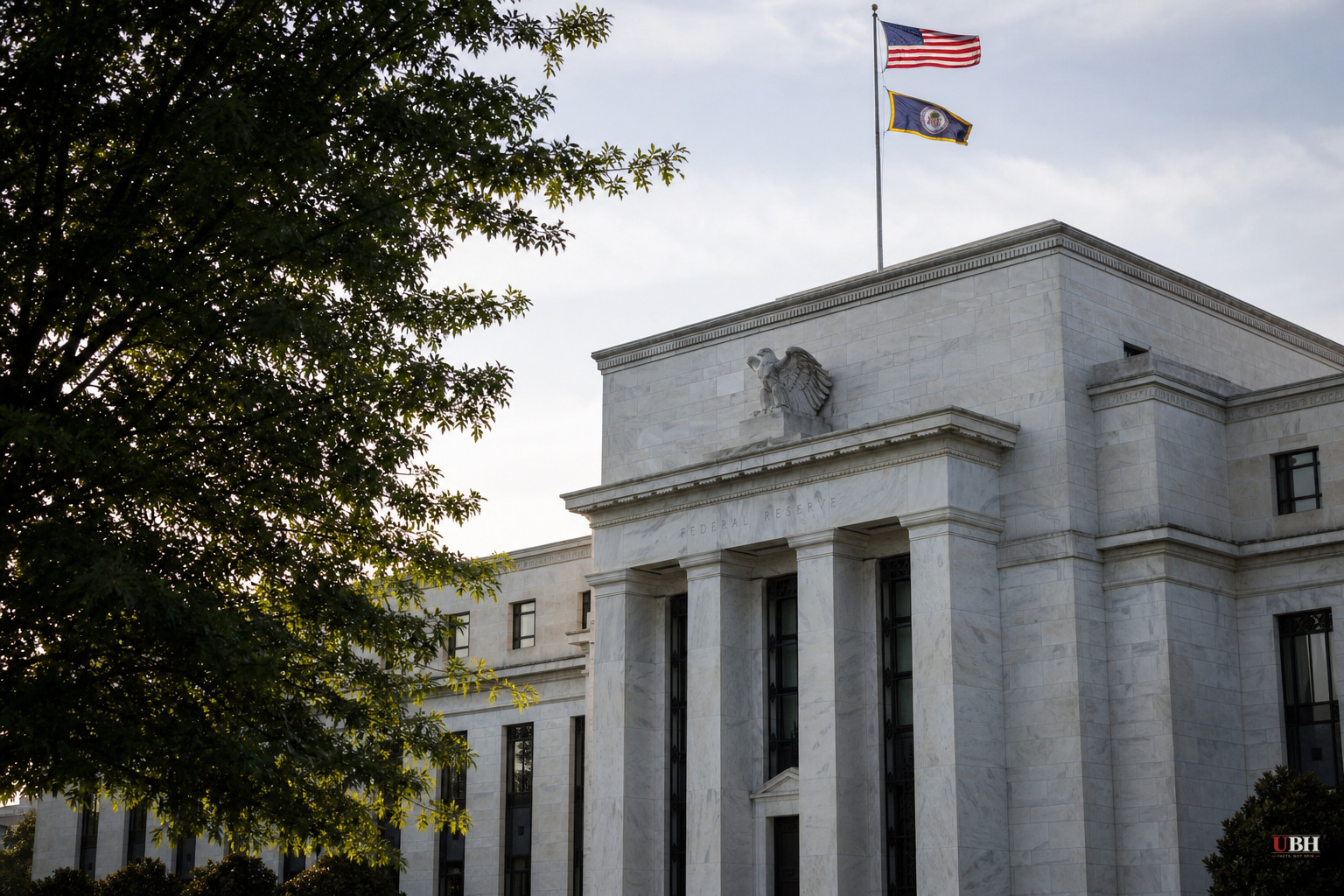
Bond markets around the world experienced sharp declines this week, and if you're planning to buy a house or a car anytime soon, it's going to cost you more.
The US 30-year Treasury yield hit 5.34% on Tuesday, August 18, its highest level since 2007, before easing back slightly, according to CNN Business. The 10-year Treasury yield climbed to 4.74%, near the highest point of President Trump's second term.
It wasn't just America. Germany's 10-year yield hit 3.275%, a 15-year high, according to Reuters reporting published by Global Banking & Finance Review. France's 10-year hit its highest level since 2008, above 4.13%. Italy's 10-year touched its highest since March, above 4.1%. Japan's 10-year yield hit a 30-year high. The UK's 10-year climbed back above 5%, according to Seeking Alpha contributor Bryan Rich.
When bond prices fall, yields rise. That's what happened this week, driven by investors dumping government debt.
The reasons are multiple. Inflation fears. Ballooning government deficits. New competition from a wave of corporate bond issuance, including tech companies borrowing heavily to fund AI infrastructure, according to CNN. And oil. Brent crude settled at $91 a barrel Tuesday and climbed above $92 on Wednesday, its highest since late July, according to Global Banking & Finance Review.
"The market is responding to a world of greater fiscal, geopolitical and policy uncertainty by demanding higher compensation for holding long-dated debt," Jonas Goltermann, chief markets economist at Capital Economics, said in a note cited by CNN.
Michael Weidner, co-head of global fixed income at Lazard Asset Management, put it more bluntly: "Investors are very concerned regarding debt sustainability of sovereigns around the globe, especially developed markets." He also pointed to the ongoing US-Israeli conflict with Iran, saying "we're not even close to being resolved or any credible solution in sight."
That war matters here because it's driving oil prices up, and oil prices feed straight into inflation expectations, which feed straight into how much investors demand to hold long-term government debt.
Derek Halpenny, head of research for global markets at MUFG, was even more direct about the US side of the equation. "There remains zero appetite in the US for addressing the US fiscal position and that is increasingly weighing on the long end of the curve," he said, according to CNN.
This reflects a bond market pricing signal. Nobody in Washington, Republican or Democrat, has shown any real appetite for cutting the deficit. The market is now charging the government more to borrow because of it. This is what fiscal irresponsibility looks like when it stops being an abstraction and starts showing up in your mortgage rate.
On Wednesday, August 19, the pressure eased somewhat after the US Treasury Department announced it would double the size of its liquidity support buyback operations for longer-dated bonds, according to Reuters reporting via Global Banking & Finance Review. Germany's 10-year slipped back to roughly 3.258%. French and Italian yields also retreated from their peaks. Germany's 30-year yield, which had hit its highest since 2011 at 3.787%, ticked down a single basis point.
But the retreat was modest and mostly limited to Europe. The effect on US yields was described as "less pronounced" across the Atlantic, per that same reporting. Meanwhile Germany's Wednesday auction of €3.8 billion in 10-year debt saw soft demand, a sign investors aren't fully convinced the danger has passed.
Traders in money markets are now pricing roughly 45 basis points of further European Central Bank tightening this year, up from 40 basis points on Friday, according to Global Banking & Finance Review. Separately, Bryan Rich at Seeking Alpha noted the market is pricing a 90% probability of an ECB rate hike on September 10, into an economy that's barely growing. That's a real tension: a central bank hiking rates to fight inflation while growth stalls.
None of this happened in a vacuum. Italy's debt troubles aren't new. Back in 2012, a similar bond-market scare followed regional elections in Sicily that saw voters abandon mainstream parties for Beppe Grillo's Five Star Movement, spooking investors already nervous about Rome's ability to manage its books. UniCredit economists warned then that political instability was "not positive for market confidence." More than a decade later, the same basic story is playing out again: political dysfunction and unchecked borrowing eventually show up as a bill, delivered by bond investors demanding higher yields.
The open question now is whether the US Treasury's buyback move on August 19 was a one-time circuit breaker or the start of a sustained intervention. Germany's soft auction demand on the same day suggests European buyers aren't fully reassured. The next data points to watch: the ECB's rate decision expected September 10, and whether Brent crude keeps climbing past $92 a barrel.
Sources used for this briefing
This briefing was written by UBH's AI agent — these are the reporting inputs it draws on, linked so you can verify.


