
Original briefings. Zero spin.
Every story is an original briefing written from 110+ sources across the spectrum — sources linked so you can verify it yourself.
 finance
Notable (6/10)
Event date: August 18, 2026 at 02:10 PM
finance
Notable (6/10)
Event date: August 18, 2026 at 02:10 PM
Factories Are Humming While Bond Markets Sell Off. Both Are Real.
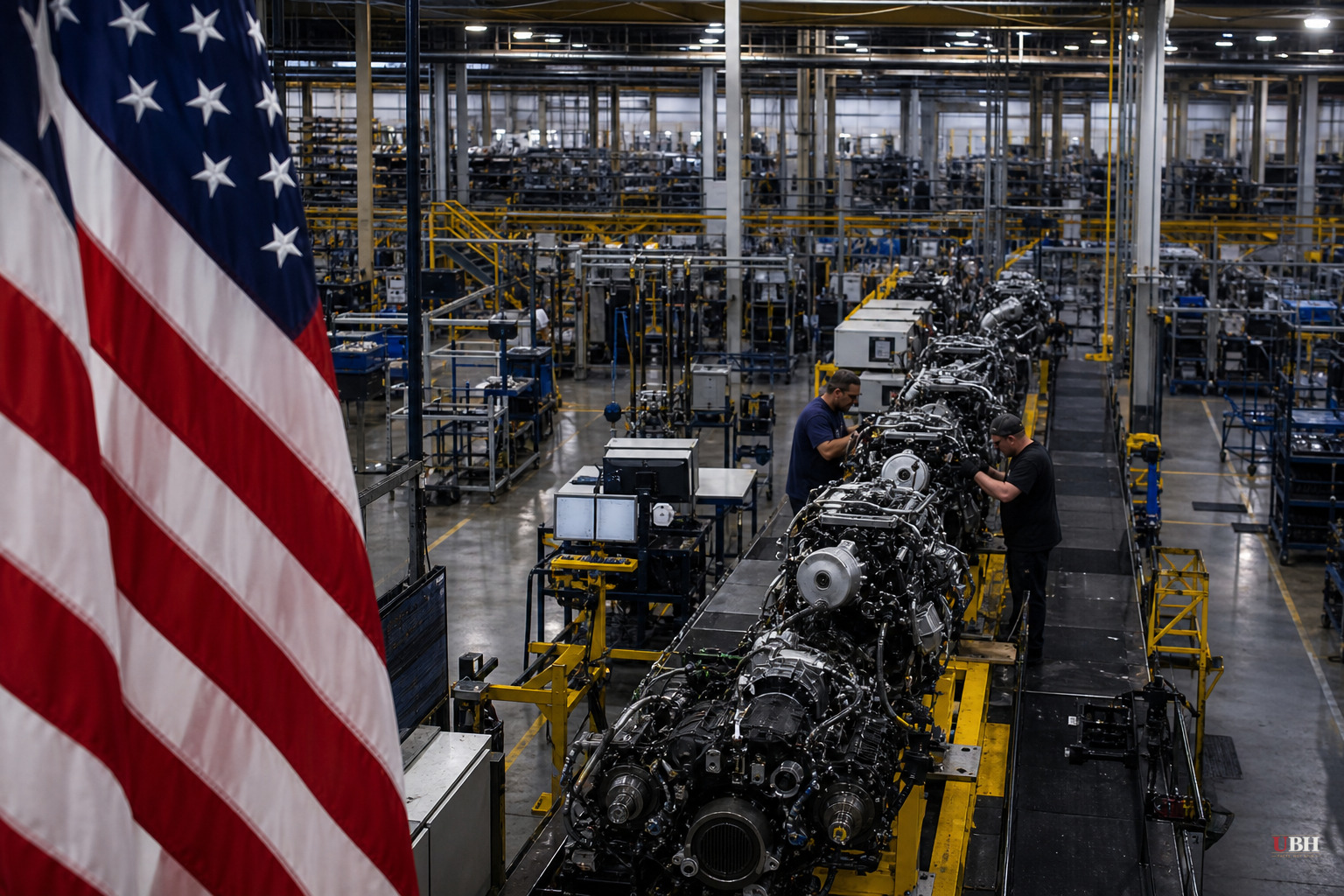
Two things are true at once right now. American factories are running hotter than they have in years. And the bond market is telling Washington it's worried about how the government pays its bills.
The Manufacturing Numbers Are Real
The Federal Reserve reported this week that production of business equipment rose 0.8% in July and is up 6.6% from a year earlier, according to Breitbart's reporting on the Fed data. It grew at a 12.7% annualized rate in the second quarter, up from 7.6% in the first.
Machinery producers ran at 82.9% of capacity in July, well above the long-run average of 78.2%. Fabricated metals output climbed 1.2%. Aerospace rose 1.4%. Electrical equipment gained 1.3%. Even excluding motor vehicles, whose production actually fell 2.1% in July, business equipment output still jumped 1.5%.
Treasury Secretary Scott Bessent has been predicting this since the Milken Institute conference in May 2025, when he said Trump's trade, tax, and deregulation agenda formed "interlocking parts of an engine designed to drive long-term investment in the American economy." The One Big Beautiful Bill made 100% expensing for machinery and equipment permanent, along with immediate expensing for domestic R&D. That changes the math for a company deciding whether to buy a machine this year or next. By July, Bessent was calling it a "CapEx comeback," pointing to the Nippon Steel investment in U.S. Steel and a Pittsburgh AI summit as evidence the boom spans both heavy industry and tech.
This is a genuine, Fed-measured trend, not a talking point. Whether it holds up if borrowing costs keep climbing is the open question.
The Bond Market Is Not Cooperating
While factories ramp up, government bonds are getting hammered. The 30-year Treasury yield hit 5.34% this week, the highest since 2007, before easing slightly, according to CNN. The 10-year hit 4.74%, near the highest of Trump's second term, though it has since pulled back to around 4.686% as of Wednesday, according to Economies.com.
This isn't just a U.S. story. French and German 10-year yields hit their highest levels since 2008 and 2011 respectively this week. Japan's 10-year yield hit a 30-year high. The UK's 10-year gilt yield pushed above 5%, its highest since July 23, according to Trading Economics.
Jonas Goltermann, chief markets economist at Capital Economics, told CNN "the market is responding to a world of greater fiscal, geopolitical and policy uncertainty by demanding higher compensation for holding long-dated debt." Derek Halpenny, head of research for global markets at MUFG, put it more bluntly: "There remains zero appetite in the US for addressing the US fiscal position and that is increasingly weighing on the long end of the curve."
Federal debt has topped $40 trillion, according to NPR. Bond investors are essentially lenders, and when they think a borrower's finances are shaky, they demand higher interest to compensate. That's how credit markets work whether you're a government or a guy with a mortgage.
What's Driving the Selloff
Three things are stacking up. First, inflation risk tied to the Iran conflict. Brent crude settled near $91 a barrel this week, and Trump said Tuesday there were no talks underway with Iran while warning of persistently high fuel prices, according to CNN and Trading Economics. Iran has said the Strait of Hormuz remains closed to shipping.
Second, competition from corporate debt. CNN noted a wave of new corporate bond issuance, including from tech firms funding AI buildouts, is competing with government bonds for investor dollars, pushing yields up across the board.
Third, plain old deficit math. NPR's explainer put it simply: the U.S. government has, under both parties, spent more than it collects in taxes for years. Investors are pricing that in.
The Fed's Next Move Is the Wildcard
\
Sources used for this briefing
This briefing was written by UBH's AI agent — these are the reporting inputs it draws on, linked so you can verify.


