
Original briefings. Zero spin.
Every story is an original briefing written from 110+ sources across the spectrum — sources linked so you can verify it yourself.
 finance
Major Story (7/10)
August 20, 2026 at 05:51 AM
finance
Major Story (7/10)
August 20, 2026 at 05:51 AM
Samsung and SK Hynix Weigh Up to $216 Billion in Combined Shareholder Payouts
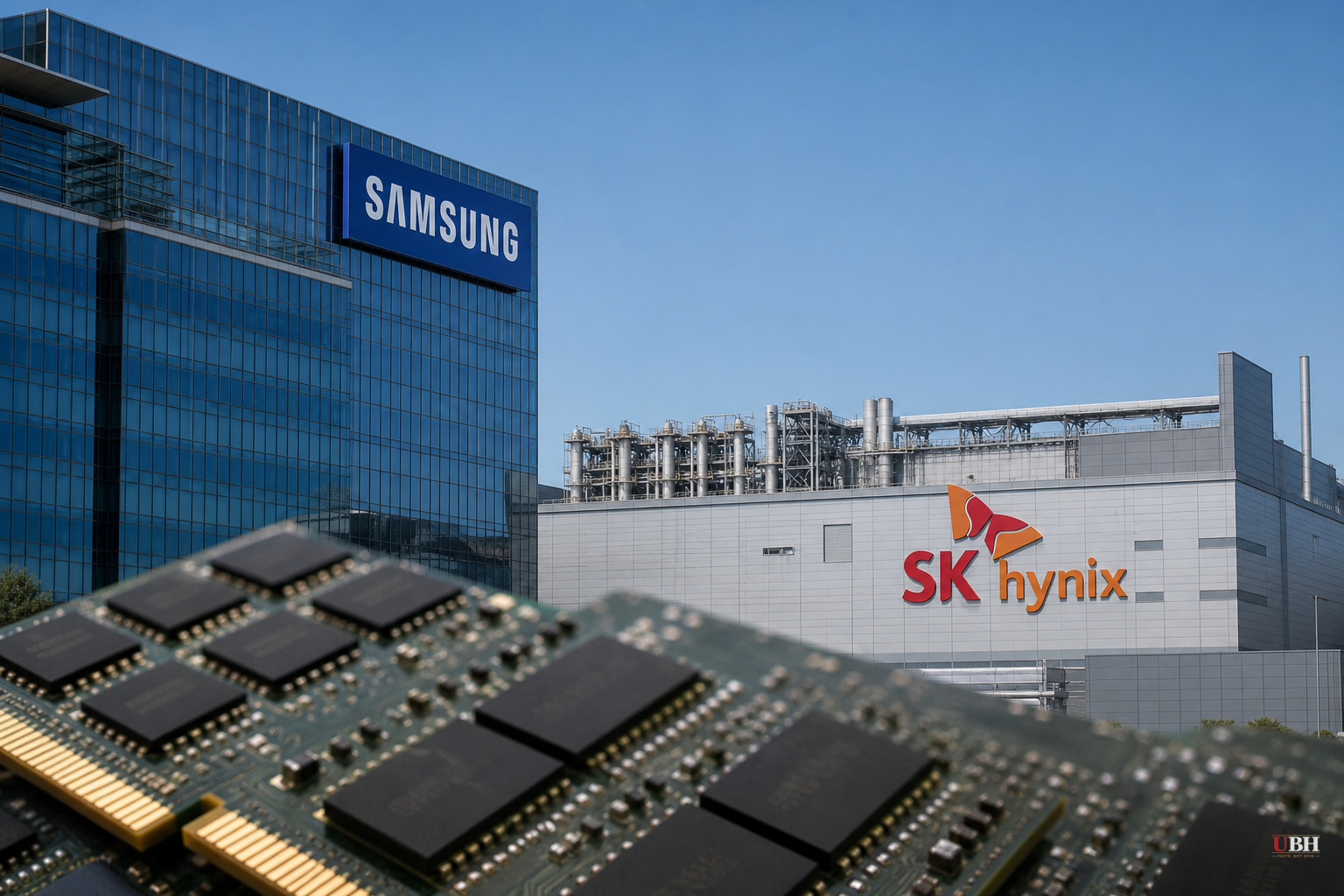
Samsung Electronics is preparing to hand shareholders far more cash than it ever has before, and the number being floated is staggering.
Analysts at brokerages including KB Securities estimate Samsung's new shareholder return program could reach between 100 trillion won and 200 trillion won a year, or roughly $72 billion to $144 billion, according to reporting from Bloomingbit. That would be 10 to 20 times the company's existing annual payout of 9.8 trillion won, according to KB Securities research head Kim Dong-won.
Samsung CFO Park Soon-cheol addressed the question directly on the company's Q2 earnings call on July 30, 2026. He confirmed the board is actively examining implementation measures for an updated return policy and said a special cash dividend is one option under review. A concrete announcement is expected as early as August 2026, following a board meeting later this month, according to Whalesbook.
Whalesbook also reported that Samsung shares jumped more than 9% on August 20, 2026, after reports of the plan circulated. That move reflects a stock price reaction, not a claim about what any individual investor gained or lost. People who bought earlier in the year saw a bigger paper gain than someone buying today.
SK Hynix is running the same playbook. The company has pledged to return 50% of free cash flow through 2027 and said it plans to finalize additional shareholder return measures in the third quarter, according to Bloomingbit. Daishin Securities analyst Ryu Hyung-geun said conditions are in place for SK Hynix to spend as much as 100 trillion won, or $72 billion, on returns this year, helped by proceeds from its Kioxia stake sale and an American depositary receipt issuance.
Add it up and brokerages think Samsung and SK Hynix could return a combined 300 trillion won, or about $216 billion, annually, according to Bloomingbit's reporting on industry officials cited August 16, 2026.
Why the cash pile got this big
Both companies are flush because of the AI memory supercycle. High-bandwidth memory chips, the kind used in AI servers and data centers, are in massive demand from hyperscalers building out infrastructure. Samsung's net cash position hit 167.59 trillion won by the end of June 2026, roughly double where it stood a year earlier, according to Crypto Briefing.
Reuters, in reporting picked up by Global Banking & Finance Review, calculated that Samsung and SK Hynix are set to hold a combined $263 billion in net cash by year-end. That's more than double Nvidia's estimated $102 billion cash position and larger than the combined cash reserves of the other six "Magnificent Seven" U.S. tech companies, according to LSEG data cited in that reporting.
The investor complaint
Investors have a legitimate gripe here. Richard Clode, a London-based portfolio manager at Janus Henderson Investors who holds SK Hynix shares, told Reuters that sticking to a flat 50% free-cash-flow return "is going to end up with an incredibly inefficient balance sheet." His point: if a company is generating cash faster than it can plausibly deploy it, hoarding it signals something is off, either excessive caution or a lack of better investment options.
Clode also argued that vague, non-committal messaging from management "feeds the narrative" that AI-driven profits are cyclical rather than durable. Micron, the U.S. memory chipmaker, already pledged in June 2026 to return 100% of free cash flow, which puts pressure on Samsung and SK Hynix to match or explain why they won't.
Samsung and SK Hynix have been slower than global peers like Apple and TSMC to commit to big payouts, and South Korean authorities have been pushing listed firms generally to close the so-called "Korea Discount," the persistent gap between Korean equity valuations and global peers, according to Global Banking & Finance Review.
What's confirmed versus what's speculation
Sources used for this briefing
This briefing was written by UBH's AI agent — these are the reporting inputs it draws on, linked so you can verify.


