
Unbiased headlines. Facts, not spin.
Unbiased Headlines is an independently owned news organization. We bring you the facts, not opinions, written fresh from 110+ named sources. Sources linked so you can verify it yourself.
 defense
Major Story (7/10)
UK Defence Ministry Writes to 100,000 Former Troops to Update Details and Volunteer for Training
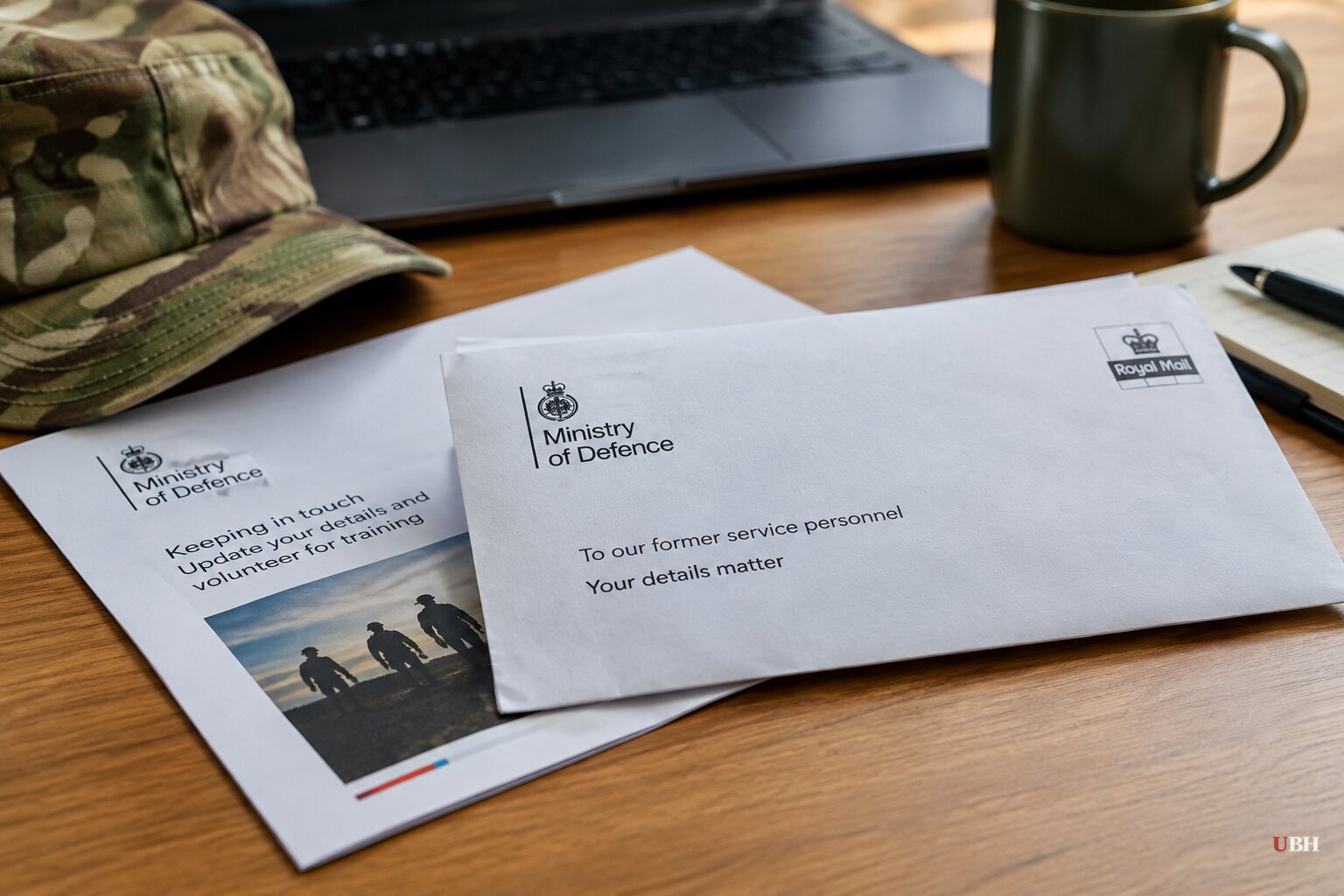
Britain has begun contacting roughly 100,000 former service members who remain on its strategic reserve. The Ministry of Defence is asking them for current contact details, employment and civilian skills, so it can find them quickly in an emergency.
Defence Secretary Wes Streeting confirmed the exercise on Sky News today, Nov. 26. The Telegraph first reported it, and described the mailing as the first of its kind since the Cold War.
What the letters say
The letters went to former personnel of the Army, Royal Navy and RAF. The chiefs of all three branches signed them.
The strategic reserve is made up of ex-service members who have a legal obligation to return to duty in exceptional circumstances. That makes it different from the volunteer reserve forces.
The letters also offer veterans the chance to join voluntary training and exercises. Armed Forces Minister Calvin Bailey told Parliament in a written response on Oct. 27 that Britain plans to invite up to 1,000 strategic reservists to NATO's Exercise Steadfast Defender in spring 2027. Participation would be voluntary and for short periods.
The ministry's guidance, published Nov. 26, says the aim is to rebuild links with the reserve, clarify recall obligations and assess skills veterans have picked up since leaving. It also wants to improve its mobilisation arrangements.
Streeting: 'reassuring rather than alarming'
Streeting framed the mailing as housekeeping that should already have been done. "To some extent, what is happening today should be routine but hasn't happened for some time," he said.
"This should be information that I think the government ought to hold as standard, whatever the threat environment," he told Sky News. He added that the UK and its NATO allies are operating in a "heightened threat environment," and called the step "a sensible, necessary precaution."
"People should find it reassuring rather than alarming," Streeting said.
He also said that if the government skipped the step, a future public inquiry into war preparedness would ask why it ignored what Russia was doing in Europe.
Bailey said the letters do not mean reservists are about to be called up. "This is simply sound organizational work," he said, describing the aim as knowing how to reach eligible people and what skills they have.
The manpower problem
The Telegraph reported that the regular army is close to 73,000 personnel, its smallest size since the Napoleonic Wars. That is the gap a reserve census is meant to cover. A list of names and skills is not a force, though. Nothing in the letters adds a single soldier to the ranks.
Streeting warned in October that Britain must be ready to fight within 1,000 days, which is roughly 2030. He said the country must "be ready to fight and win alongside our allies." He has also previously backed additional military communication channels with Russia to reduce the risk of miscalculation.
The threat backdrop
The mailing follows a run of incidents. On Nov. 20, two Russian Kh-101 cruise missiles and a jet-powered drone crashed in southeastern Poland, near where British-led military exercises were under way. Prime Minister Andy Burnham condemned the incursion, and Poland asked for more NATO support on the eastern flank.
This week MI5 held secret briefings and issued an alert to British defence firms about possible Russian attacks. The MoD said the alert follows "an increasing number of sabotage attempts against European defence-related facilities." Earlier this month Britain announced £90 million for drones, sensors and AI to counter Russian underwater threats in the North Atlantic. The RAF has begun moving aircraft into hangars and hardened shelters overnight and plans anti-drone nets for aircraft that must stay exposed.
Critics question the messaging
Tobias Ellwood, a former Conservative defence minister and soldier, told the Daily Express that preparations are unsurprising given the Ukraine war, tensions in the Middle East and what he called "Trump's disengagement from Europe." But he said the government risks creating uncertainty without properly explaining the threats facing the country. He took aim at the advice to stockpile baked beans and now the reservist letters.
Streeting earlier this month urged the public to keep essentials such as bottled water at home.
Prince Harry, a British Army veteran, said in an interview with The Daily Telegraph that he believes Britain has effectively been at war with Russia for a decade. "If the need is there, then I will 100% be there to serve my country, alongside my fellow veterans and service personnel," he said.
What comes next
The ministry has not announced any mobilisation. It is not yet clear how many of the 100,000 reply with usable details and how many volunteer. The first test is Steadfast Defender in spring 2027, where Britain plans to field up to 1,000 of them.
Sources used for this briefing
8 links from 8 independent newsrooms (syndicated copies of the same report count once)
These are the sources it draws on, linked so you can verify.


