
Unbiased headlines. Facts, not spin.
Unbiased Headlines is an independently owned news organization. We bring you the facts, not opinions, written fresh from 110+ named sources. Sources linked so you can verify it yourself.
 defense
Major Story (8/10)
Event date: November 25, 2026 ·
Kuwait Says Iranian Drone Attack on a 'Vital Facility' Injured 4, and Flights Are Rerouted Around Its Airspace
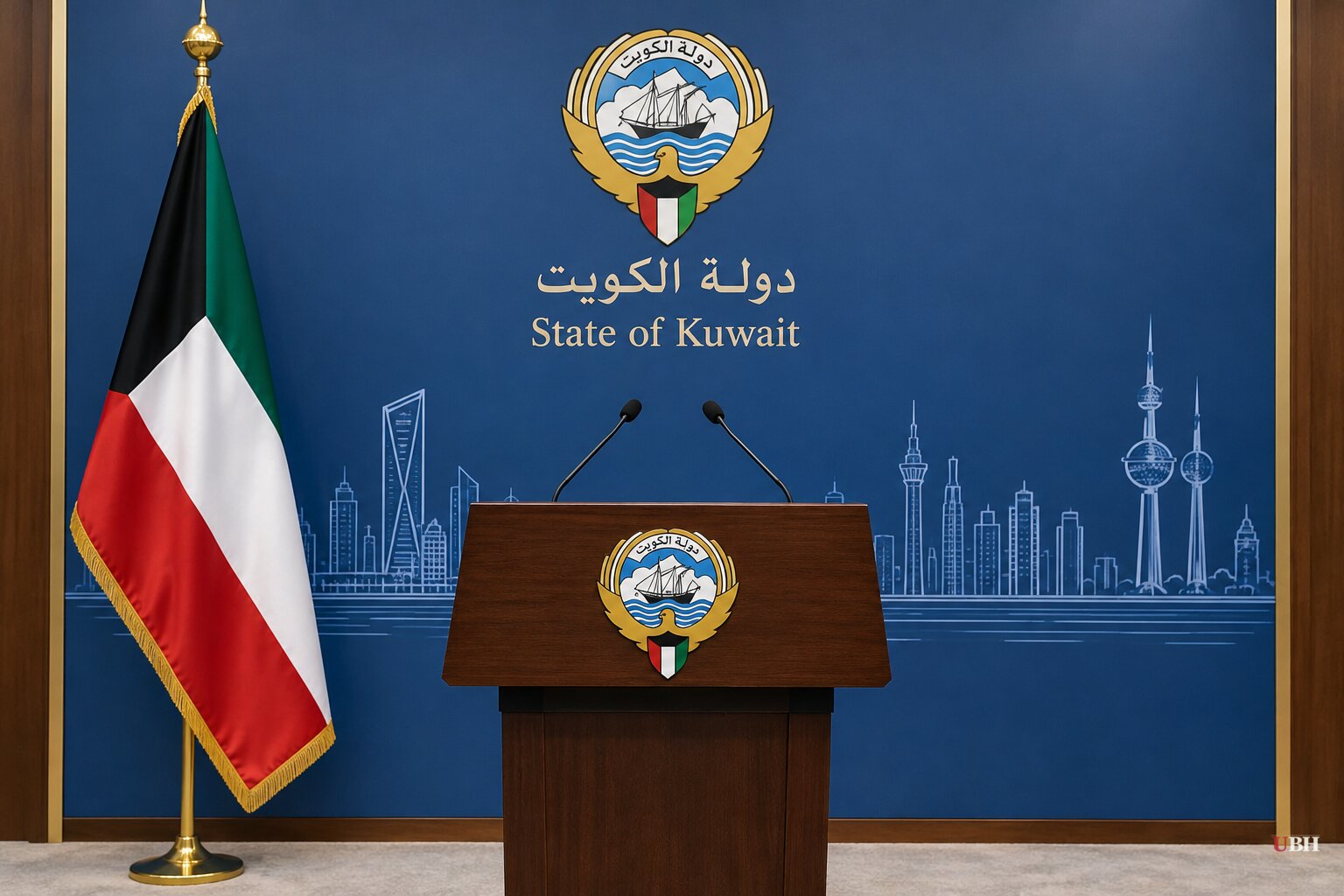
Since the war began with joint U.S.-Israeli strikes on Iran in late February, Kuwait has been one of the Gulf states hit as Tehran targets countries hosting American forces. It was hit again on Thursday, Nov. 26.
Kuwait's military said four people were injured by falling shrapnel after Iranian drones targeting "a vital facility" were detected and intercepted. "The Iranian aggression targeted a vital facility, causing falling shrapnel that injured four people," the defense ministry said. The injured were taken to a hospital. The ministry reported unspecified "material damage."
The Kuwait Army, in a post on X, said the injured were two Italian nationals, one Pakistani national and one Kuwaiti national. It said Kuwaiti forces "dealt with" the incoming drones.
Neither statement names the facility. Kuwait has not said what was damaged or how many drones were involved beyond "a number."
Air traffic rerouted
The strike disrupted one of the busiest air corridors in the world. On Thursday afternoon, flights crossing Iraq toward the Gulf were suddenly turned south amid reports that Kuwait's airspace was closed, according to Euronews, whose reporters were on one of the diverted flights. Every aircraft on the corridor got a new heading ahead of Kuwait, shifting the whole international route toward neighboring countries.
The corridor matters. Since the war began, most flights from Europe to Doha, Abu Dhabi, Dubai and other Gulf hubs have used a route through Turkey, Iraq, Kuwait, Bahrain and the UAE. Gulf-bound flights carry extra fuel in case they have to hold near their destinations when airspace closes.
The U.S. Virtual Embassy in Iran warned on Wednesday that Tehran, Yemen's Houthis and aligned groups may target U.S. interests and citizens in the region, including companies and institutions. It urged Americans to prepare for flight cancellations and airspace closures. That warning came after Iranian attacks on U.S. assets in Bahrain and Kuwait and a Houthi strike on a tower in Riyadh's financial district that wounded 11 people.
Mines and the Hormuz standoff
On the water, Iran's Islamic Revolutionary Guard Corps claimed Thursday that two oil tankers transiting the Strait of Hormuz "without permission from Tehran" were hit by sea mines north of the Omani port of Khasab. The statement was carried by the semi-official Fars News Agency. The claim has not been independently confirmed.
Iran says it controls the strait. The U.S. says it is enforcing a naval blockade of Iran's Persian Gulf and Gulf of Oman ports and has worked to escort ships through the waterway despite Tehran's attempts to close it.
A pattern of tit-for-tat
The Kuwait attack follows a run of escalation. On Nov. 18, Kuwait activated air defenses against drones, which its allies and neighbors described as the first such attack since early September. Iran's army said that day its drones targeted Patriot air defense systems and drone and missile launch platforms at Ali Al Salem Air Base. Bahrain also said it intercepted Iranian attacks.
Iran framed those strikes as retaliation for a U.S. airstrike on a missile launch site on Qeshm Island. A U.S. official, speaking anonymously, said the Qeshm strike was in self-defense, a response to IRGC aggression against U.S. personnel and assets.
Tehran's stated position is blunt. "Our response to any threat and aggression will be decisive, crushing, and without geographic limitations," the Iranian army said in the Nov. 18 statement.
Kuwait rejects that framing. Its foreign ministry called the Nov. 18 attacks "a flagrant violation of its sovereignty" and said they undermine de-escalation efforts. Saudi Arabia, Qatar and the UAE also condemned the strikes. Qatar called them a "blatant breach" of international law.
Talks stalled, Yemen spiraling
U.S.-Iran talks remain stalled even though the two countries signed a memorandum of understanding in June aimed at ending the war. The two sides keep trading strikes, though not at the intensity of the opening weeks, when the first attacks killed Supreme Leader Ayatollah Ali Khamenei and other top Iranian officials and commanders.
The fighting has also spread through Yemen. Intensified clashes between Saudi-backed Yemeni forces and Iran-backed Houthi rebels have seen the Houthis repeatedly attack Saudi military, oil and transport targets. The UN's humanitarian chief said Wednesday, after arriving in Aden, that renewed fighting has displaced more than 364,000 people since August, including tens of thousands in the past week. "Fighting, insecurity and heavy restrictions along key supply routes are preventing families from accessing the food and medicine they need to survive," he said.
On Nov. 18, Kuwait said it was prepared to take "all necessary measures" in response to Iranian attacks. Eight days later, it has again been hit, and it has not said whether it will act on that warning.
Sources used for this briefing
8 links from 8 independent newsrooms (syndicated copies of the same report count once)
These are the sources it draws on, linked so you can verify.
More coverage: Iran


