
Unbiased headlines. Facts, not spin.
Every story is an unbiased news briefing written from 110+ sources across the spectrum — sources linked so you can verify it yourself.
 defense
Breaking / Critical (9/10)
July 22, 2026 at 09:00 PM
defense
Breaking / Critical (9/10)
July 22, 2026 at 09:00 PM
Trump Threatens to Destroy Iranian Infrastructure for Every Ship Hit in Hormuz, Iran Vows 'Eye for an Eye'
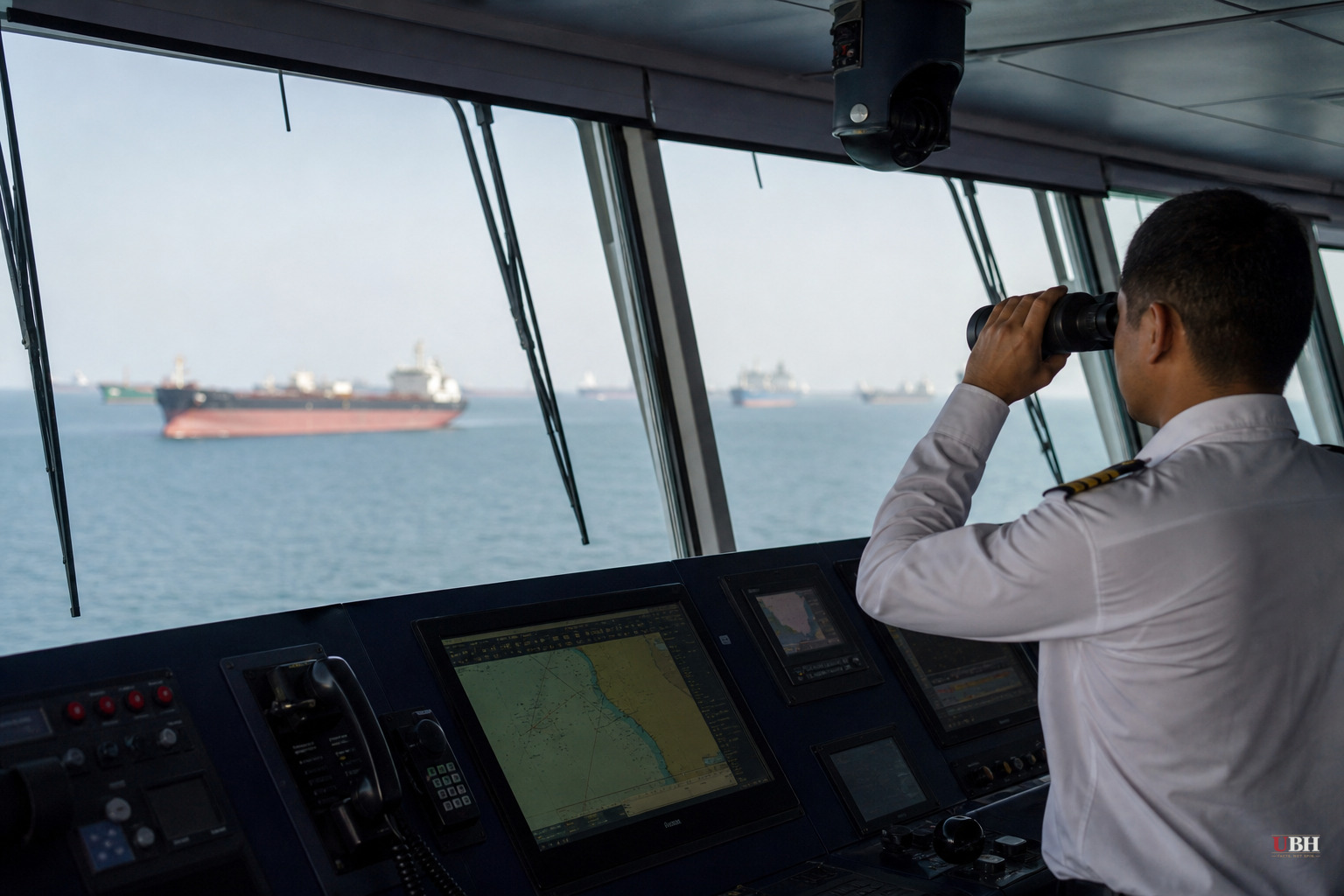
President Trump said Wednesday, July 22, that he will destroy an Iranian bridge or power plant every time Iran fires on a ship in the Strait of Hormuz. That warning landed the same day Iranian-backed Houthi rebels in Yemen threatened to block a second critical waterway, the Bab el-Mandeb Strait, according to Reuters.
Iran didn't wait long to answer. Its Khatam al-Anbiya Central Headquarters, the country's joint military command, said Wednesday that the Strait of Hormuz stays closed and that any US strike on Iranian infrastructure will trigger retaliation against regional oil, gas, electricity and economic infrastructure, according to WION. The command said Iranian forces would not let "even a single drop of oil" leave the region if Trump follows through.
Iranian Foreign Minister Abbas Araghchi put it in blunter terms on X: "Our defense doctrine is clear: eye for an eye. Any aggression against Iran, including our infrastructure, will compel a powerful and decisive response." He added that any country supporting a US strike would also be treated as a "legitimate target," a warning aimed squarely at Gulf states hosting American forces.
Major General Majid Mousavi, commander of the Revolutionary Guards Aerospace Force, went further, threatening to cut electricity to US allies in the region if Iranian bridges or power plants get hit, according to WION.
A Second Chokepoint Opens Up
The bigger near-term threat to oil markets might be the Houthis, not Hormuz. Five tankers changed course in the Red Sea on Wednesday to avoid the Bab el-Mandeb Strait, a day after the Houthi threat to block Saudi oil exports, according to Reuters reporting from Dubai and Manila. Three tankers carrying Saudi crude bound for China and India had already made U-turns on Tuesday, July 21.
Saudi Arabia has been rerouting millions of barrels a day to its Red Sea port of Yanbu specifically to dodge the Hormuz blockade. If Bab el-Mandeb closes too, that workaround disappears. The only alternative is the northern route through the Suez Canal, which Reuters notes adds weeks to shipping times and drives up freight costs significantly.
Two of the world's most important chokepoints are under threat simultaneously. Iran effectively controls access near Hormuz. The Houthis, who Iran backs, sit near Bab el-Mandeb. Squeeze both and you've got a serious supply problem, not just a scary headline.
Prices Are Already Moving
Brent crude futures topped $95 a barrel Wednesday before settling just above $94, a near six-week high, according to Reuters. US gasoline prices have climbed back over $4 a gallon. Reuters points out this is happening ahead of the November midterms and has been weighing on Trump's poll numbers, an inconvenient political fact for a White House that campaigned partly on lowering energy costs.
The Fighting Is Already Wider Than Hormuz
This isn't a hypothetical escalation scenario. US strikes have already widened from southern Iran into western and central parts of the country, according to Reuters. Iran, for its part, hit water desalination and energy plants in Kuwait this week and targeted US military assets there, plus in Bahrain and Jordan.
An Iranian health ministry official said 53 civilians have been killed and 592 wounded since late last month. The US military has said it does not target civilians, but hasn't disputed the Iranian casualty figures directly in available reporting.
On the American side, the war has killed 18 US service members and wounded more than 450, according to Reuters. Trump attended a ceremony Wednesday at Dover Air Force Base in Delaware for four service members killed in Iranian attacks.
Iranian officials are framing the conflict as a war of attrition they can win politically even if they're losing militarily. Hasan Qashqavi, spokesperson for parliament's National Security and Foreign Policy Committee, was quoted in Iranian media saying Trump is in a "quagmire." Army Commander-in-Chief Major General Amir Hatami said Iran built up its military anticipating its adversaries would break agreements.
Striking Iranian power plants and bridges risks killing civilians who have no control over Tehran's military decisions, and it hands Iran a propaganda opening regardless of how precise US targeting is. Critics of escalation argue that threatening infrastructure-for-infrastructure retaliation is how regional wars spiral past the point either side wanted. That's a real risk. Gulf states hosting American assets have reason to be nervous about Araghchi's warning that they'd be considered legitimate targets too.
The Straits Times reported that diplomatic efforts, including a proposed ceasefire and mediation, are still underway even as the military track continues. No timeline for that diplomacy has been made public, and neither side has agreed to a truce as of Wednesday. Whether Riyadh's Yanbu workaround survives a Houthi move on Bab el-Mandeb, and whether Washington actually follows through on striking Iranian infrastructure the next time a tanker gets hit, are the two questions that will determine whether oil prices keep climbing into the fall.
Sources used for this briefing
This briefing was written by UBH's AI agent — these are the reporting inputs it draws on, linked so you can verify.


