
Unbiased headlines. Facts, not spin.
Unbiased Headlines is an independently owned news organization. We bring you the facts, not opinions, written fresh from 110+ named sources. Sources linked so you can verify it yourself.
 energy
Major Story (8/10)
Event date: October 13, 2026 ·
Trump Signs National Emergency Order Targeting Foreign-Made Power Grid Equipment
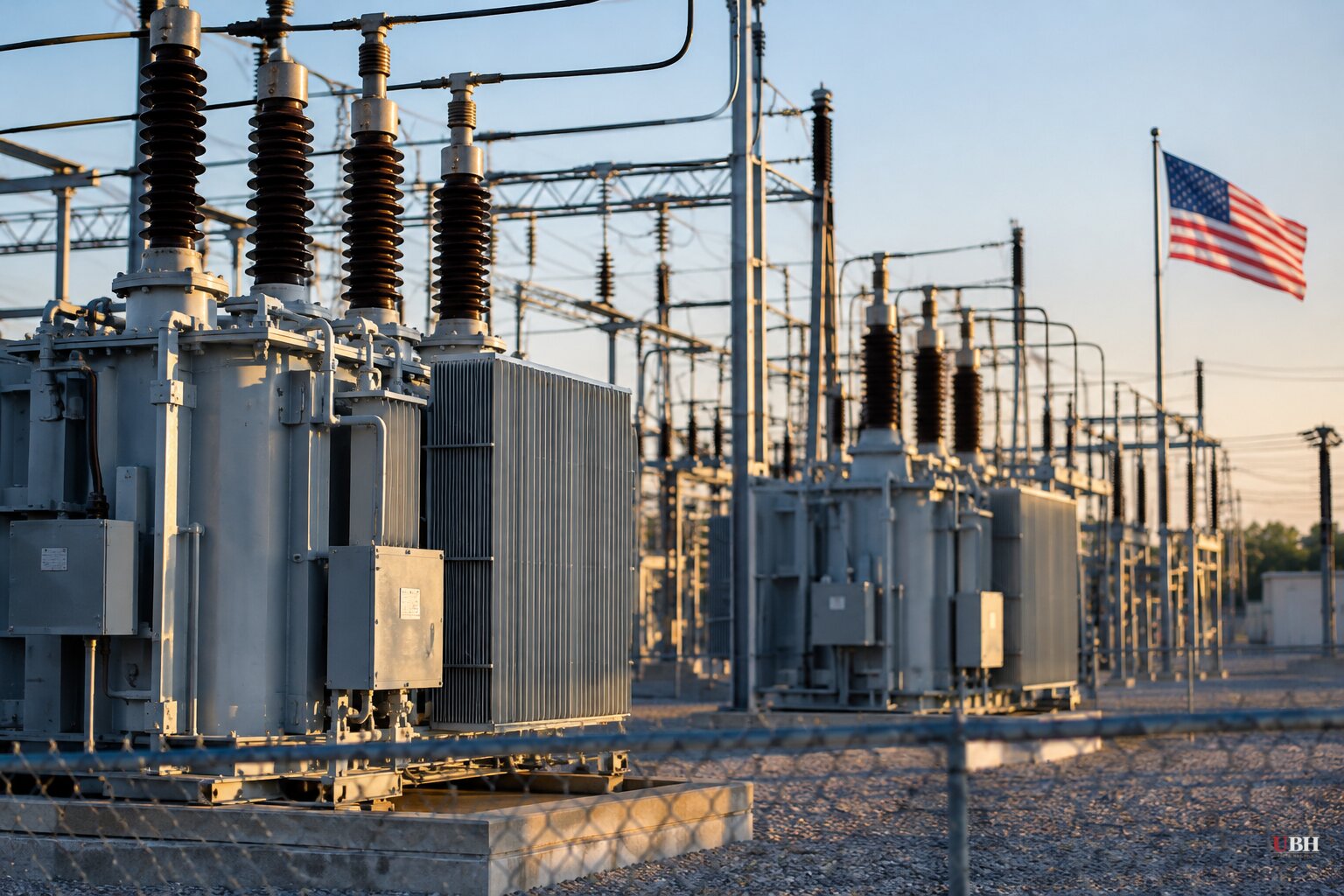
Since the Energy Department's Oct. 12 emergency order for the PJM Interconnection region, a second and separate federal action has landed on the grid. President Trump has signed an executive order declaring a national emergency to protect the bulk power system from security risks posed by foreign-made equipment.
The order is aimed at hardware, not weather.
What the order does
The order authorizes restrictions on certain foreign-made equipment used in power generation, transmission and grid operations. It also lets officials impose security conditions on equipment already installed and replace gear deemed risky.
Under the order, the Energy Department can restrict the purchase, import and installation of certain equipment if officials determine it could expose critical infrastructure to cyberattacks, unauthorized access or supply disruptions.
It is not a blanket ban. The order does not bar all foreign-made electrical equipment. It targets equipment linked to designated foreign entities that the government considers a security risk.
That distinction matters for utilities. Much of the grid's transformers, inverters and control hardware is built by a global supply chain, and the order's practical bite depends entirely on who lands on the designated list.
The separate PJM emergency
The two actions are easy to blur together. They are different.
Energy Secretary Chris Wright issued the PJM order on Monday, Oct. 12. The Department of Energy said it was meant "to mitigate blackout risks in the mid-Atlantic ahead of a period of elevated demand, a high rate of planned generator outages during the autumn maintenance season, and numerous planned transmission outages."
The order took effect Oct. 13 and ran through Oct. 16. It directs PJM to bring specified power-generating units online when required to keep supply reliable.
PJM coordinates electricity for more than 67 million people across Delaware, Illinois, Indiana, Kentucky, Maryland, Michigan, New Jersey, North Carolina, Ohio, Pennsylvania, Tennessee, Virginia, West Virginia and Washington, D.C.
PJM said it had issued maximum generation and load management alerts "ahead of expected tight system conditions caused by unusually warm fall weather" as well as equipment outages for maintenance and construction.
The numbers behind the grid squeeze
The Energy Department's order cites PJM's forecast of demand at roughly 111,500 MW or above on Tuesday, Oct. 13. The next day, about 61,591 MW of generation outages were expected. PJM said that would bring it within 900 MW of its reserve margin.
Reserve power is the buffer if demand beats expectations or a generator trips offline unexpectedly.
The Energy Department estimated that more than 35 GW of unused backup power exists in the region. Wright said the order "will help ensure millions of American families and businesses across the mid-Atlantic have access to affordable, reliable, and secure electricity by making additional power generation, including backup power, available to use as needed."
What PJM says about customers
A PJM spokesperson said the grid operator does not expect any impacts to customers and that customers are not being asked to take action. The spokesperson added that the Energy Department has granted similar emergency orders multiple times this year.
The spokesperson put the underlying cause plainly: tight conditions come from "growing electricity demand coupled with the need for owners of generators and transmission equipment to take their equipment out of service for maintenance ahead of winter, and also for construction on major transmission projects."
The PJM order, then, was a routine-style reliability tool during a maintenance season. The national emergency is a different instrument with a different purpose, and nothing in the record ties the two together as cause and effect.
What remains open
The executive order gives the Energy Department broad authority over equipment already in service, including the power to require replacement. Replacing installed grid hardware is expensive and slow, and the order as described does not say who pays.
The order also depends on designations. Which foreign entities the government names, and which categories of generation, transmission and grid-operations equipment fall under the restrictions, will determine whether this is a narrow security measure or a sweeping supply-chain rule.
The next concrete step is the Energy Department's implementation: the designations and the security conditions it chooses to impose on existing installations. Utilities and grid operators such as PJM will learn then how much of their installed equipment is in scope.
Sources used for this briefing
2 links from 2 independent newsrooms (syndicated copies of the same report count once)
These are the sources it draws on, linked so you can verify.


