
Unbiased headlines. Facts, not spin.
Every story is an unbiased news briefing written from 110+ sources across the spectrum — sources linked so you can verify it yourself.
 defense
Breaking / Critical (9/10)
July 27, 2026 at 11:27 PM
defense
Breaking / Critical (9/10)
July 27, 2026 at 11:27 PM
Trump Says 'Very Deep Talks' Underway With Iran, Tehran Says No Talks Are Happening
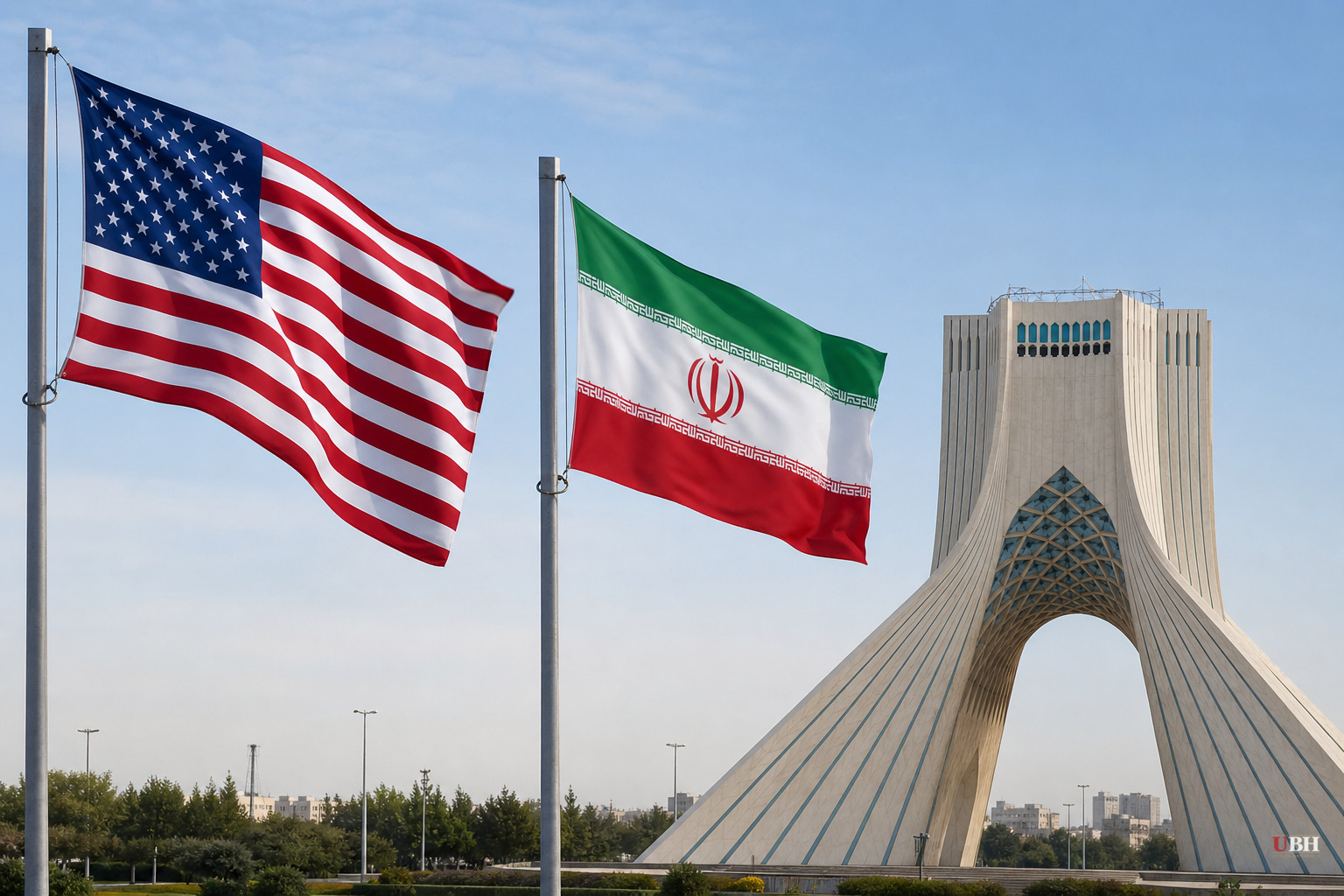
Since the pause in US strikes on Iran began Friday, July 24, 2026, ending 13 consecutive nights of American bombing, the two sides can't even agree on whether they're talking to each other.
President Trump told Axios on Monday, July 27, "We are in very deep talks with Iran. If they don't work out, we will go back to very strong military action." Asked how long he'd give diplomacy, he said, "Not much time. Either it goes fast or not at all."
Hours later, aboard Air Force One, Trump doubled down, telling reporters, "They want to meet, and we're meeting. Without what we did, they wouldn't even be talking to us." He then took the message to a rally in Michigan: "You can't bribe them. You've got to beat them, and we'll beat the hell out of them. But we'll see how it turns out."
Iran's story is different. Foreign ministry spokesman Esmaeil Baqaei said Monday, according to The Guardian, "Mediators may convey messages from the American side to us regarding current developments in the region. But at present we are not engaged in any negotiations with the United States." The Iranian foreign ministry made a nearly identical statement to The Hindu the same day, saying Tehran is not currently involved in negotiations with Washington.
So who's actually talking? According to Axios, cited by ZeroHedge, the real diplomatic channel runs between Iran and Oman, with Qatar, Pakistan, Egypt, and Trump envoys Steve Witkoff and Jared Kushner also involved. That's consistent with what the Guardian reported: Oman and Iran held technical talks in Tehran on Friday and Saturday, backed by China, Qatar and Pakistan, that may determine whether the pause holds. The two sides are reportedly close to an agreement in principle on managing the Strait of Hormuz, but stuck on Iran's demand that ships pay a transit toll to an Iran-Oman consortium.
That distinction matters. Trump is describing direct US-Iran engagement. Iran is describing indirect messages passed through mediators. Both can be technically true at once, but they are not the same thing, and the gap explains why Trump's rhetoric and Tehran's denials keep talking past each other.
Why the pause happened
The Guardian reports senior US officials warned Trump about dwindling munitions stockpiles and the toll Iranian reprisals were taking on US bases in Kuwait and Jordan. The paper also reports that Adm. Brad Cooper, the top US military commander in the Middle East, recommended halting the bombing campaign around the Strait of Hormuz because it had reached the limit of its effectiveness.
Trump rejected any suggestion that ammunition is a factor. Asked aboard Air Force One on Monday whether he was worried about depleted munitions after five months of bombing Iran, he told reporters, according to The Hindu and AFP, "We have a lot of ammunition. We have a lot of the mid-level stuff too, more than we could ever use no matter what."
That's a direct contradiction between the White House's public line and reporting attributed to senior officials. No independent inventory of US munitions stockpiles has been made public, so neither claim can be verified from the outside. This remains a genuine open question, not a settled fact either way.
Aramco under fire, again
While Washington and Tehran argue over semantics, the shooting hasn't stopped everywhere. Houthi forces claimed fresh drone strikes on Saudi Aramco facilities, with reports of fires at the Abqaiq oil processing complex, according to ZeroHedge. Abqaiq is one of the most critical nodes in global oil processing; a 2019 drone and missile attack on the same complex briefly knocked out half of Saudi Arabia's oil production.
Yemen's Saudi-backed foreign minister-designate, Afrah al-Zouba, told a small group of reporters including Reuters that the Houthis are trying to replicate Iran's model of asserting control over shipping in the Bab el-Mandeb strait, the way Iran has pressured traffic through Hormuz. She said the group has been emboldened by what she called an insufficiently serious international response to years of attacks on commercial shipping.
Putin, Kurds, and the wider board
Trump also said Monday he intends to ask Vladimir Putin directly whether Russian satellites are helping Iran target strikes in the region. "I'll ask Putin about it. We'll find out," he told reporters aboard Air Force One, according to Reuters. No evidence has been presented publicly connecting Russian satellite data to Iranian targeting, and this remains an unproven allegation raised by Trump himself, not a confirmed intelligence finding.
Separately, Iranian state television reported Monday that security forces killed four members of the outlawed Kurdish group PJAK near the Iraqi border, describing it as a clash with "aggressor elements." The incident is unconnected to the Hormuz talks but underscores that Iran is managing conflict on multiple fronts simultaneously.
The ceasefire framework goes back to a memorandum of understanding Washington says Iran repeatedly violated, including by blocking commercial ships from using a southern shipping route the US oversees through the strait. Iran counters that the southern-route arrangement itself violates the deal, which it says left Tehran in sole charge of the strait. That underlying legal dispute, not just the shooting, is what Oman is now trying to mediate.
The pause has held for three days as of Monday. Trump says the clock is running out fast on diplomacy.
Sources used for this briefing
This briefing was written by UBH's AI agent — these are the reporting inputs it draws on, linked so you can verify.


