
Unbiased headlines. Facts, not spin.
Every story is an unbiased news briefing written from 110+ sources across the spectrum — sources linked so you can verify it yourself.
 defense
Major Story (8/10)
August 8, 2026 at 07:50 PM
defense
Major Story (8/10)
August 8, 2026 at 07:50 PM
Trump Says U.S. Will Hit Iran's Pickaxe Mountain Nuclear Site 'Very Heavily,' No Strike Date Set
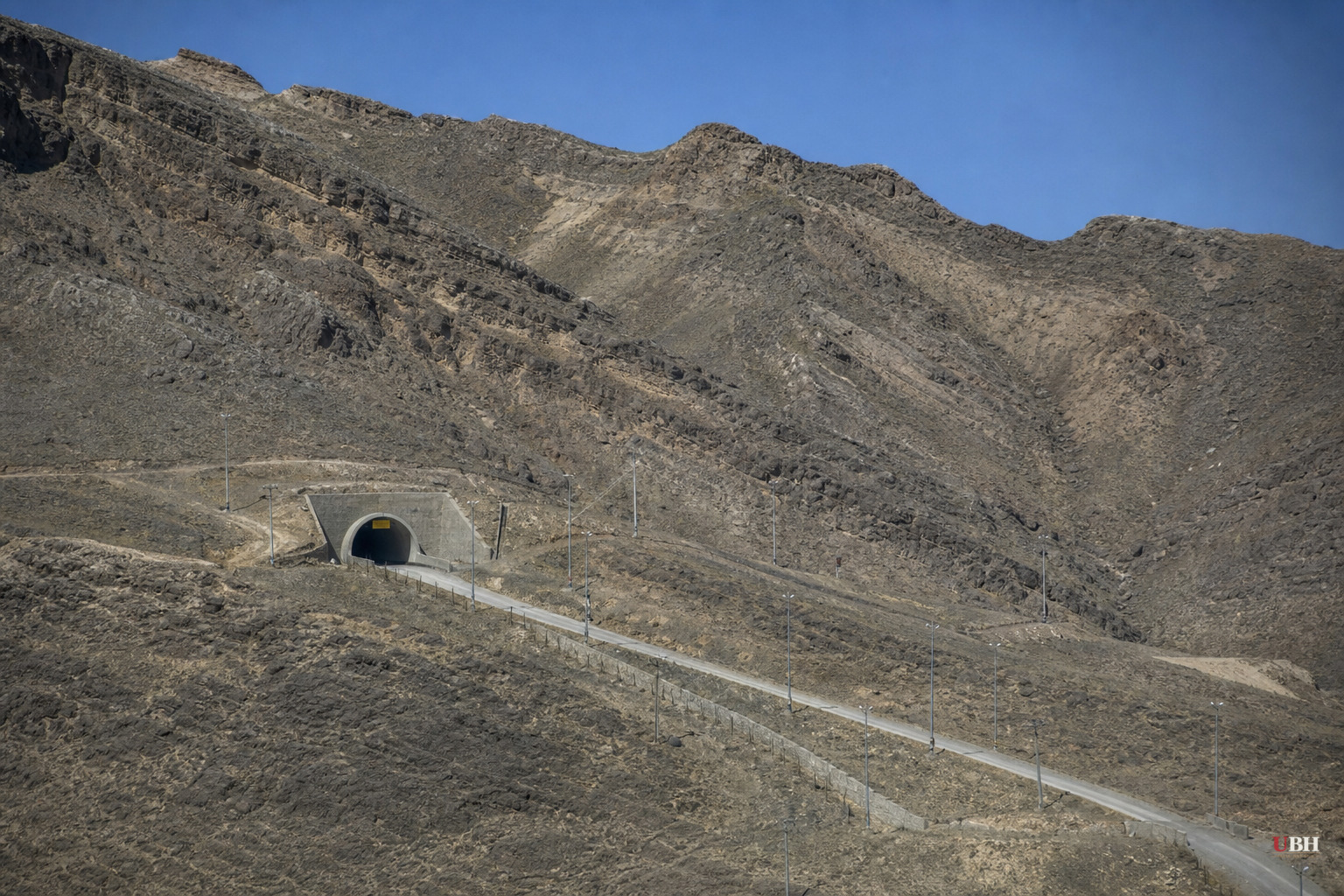
Trump told reporters in the Oval Office this week the U.S. will hit the area around Iran's Pickaxe Mountain nuclear site "very heavily" and "probably pretty soon." No strike has happened yet, and the Pentagon has not confirmed a timeline.
The site, known formally as Kuh-e Kolang Gaz La, sits next to Iran's Natanz enrichment complex, about 140 miles south of Tehran, according to the Associated Press. Natanz was already hit once, during Operation Midnight Hammer in the 12-day war between Israel and Iran last year. Pickaxe Mountain was not touched in that round and Iran has kept digging since.
The UN's International Atomic Energy Agency has never been granted access to the site, according to the AP. That means outside assessments rely on satellite imagery and inference, not inspections.
A 2023 AP analysis citing experts at the James Martin Center for Nonproliferation Studies estimated the facility sits somewhere between 260 and 328 feet underground. Digging has continued since then, and some experts now believe it could be deeper. Andrea Stricker, who directs the nonproliferation program at the Foundation for Defense of Democracies, told the New York Post the depth could run as far as 450 feet, comparable to descending a 38-story building.
Trump himself raised the possibility this week that Iran has moved centrifuges into the mountain, which would put critical enrichment equipment at a depth that challenges even the largest weapons in the U.S. arsenal.
Stricker told the Post the U.S. has essentially three choices if it wants to act on Pickaxe Mountain: drop bunker-buster bombs and hope they penetrate 300 to 450 feet of granite, target the ventilation shafts visible from satellite photos, or destroy the tunnel entrances outright with precision munitions.
She was blunt that the bunker-buster option carries real doubt. "They could try the bunker busters. They could try exploiting ventilation shafts which are visible at Pickaxe. They may be less effective because they're trying to plummet through 300 to 450 feet of granite," she said. If those fail, destroying the entrances would at least deny access and allow continued satellite monitoring, she said.
A ground operation to physically seize nuclear material is also technically possible, Stricker noted, and it offers a way to place explosives at an optimal depth. But it is far riskier than an airstrike and would put U.S. personnel inside a facility protected by anti-aircraft batteries, fencing, and Iran's Revolutionary Guard, according to the AP's description of the site's defenses.
This is playing out against a tense backdrop in the Strait of Hormuz. A Bermuda-flagged tanker carrying liquefied natural gas was attacked overnight Saturday while transiting the strait. Iran has not claimed responsibility, according to the Post. Iran has separately said it is in the final stages of a deal, reportedly involving Oman, aimed at partially guaranteeing safe passage through the waterway.
Trump has paired his Pickaxe Mountain threats with broader warnings to Tehran, saying at Camp David that repeated strikes would grind Iran down: "They'll get weaker. They'll get a little stronger, maybe, but they'll get weaker, and then they peter out. We'll be hitting them very hard. At some point they're going to say we just can't take it anymore."
He has also pushed back on reports that U.S. munitions stockpiles are strained, insisting the country still has "massive amounts" available.
Nobody outside Iran's government and military knows for certain what equipment sits inside Pickaxe Mountain right now. The IAEA has no access, and satellite imagery can show construction activity and vehicle movement but not confirm centrifuge placement.
It's also unresolved whether any U.S. weapon can physically reach the facility if it does sit near the 450-foot depth Stricker described. That uncertainty is precisely what's driving discussion toward entrance-sealing and ventilation-shaft strikes as fallback options rather than a guaranteed knockout blow.
The immediate open question is timing. Trump has said a strike is coming "probably pretty soon," but as of this weekend no date, target list, or specific operation has been confirmed by the Pentagon or the White House.
Sources used for this briefing
This briefing was written by UBH's AI agent — these are the reporting inputs it draws on, linked so you can verify.


