
Original briefings. Zero spin.
Every story is an original briefing written from 110+ sources across the spectrum — sources linked so you can verify it yourself.
 defense
Major Story (8/10)
September 14, 2026 at 12:50 AM
defense
Major Story (8/10)
September 14, 2026 at 12:50 AM
Trump Says U.S. Could 'Stay and Keep the Oil' in Iran, Modeling It on the Venezuela Deal
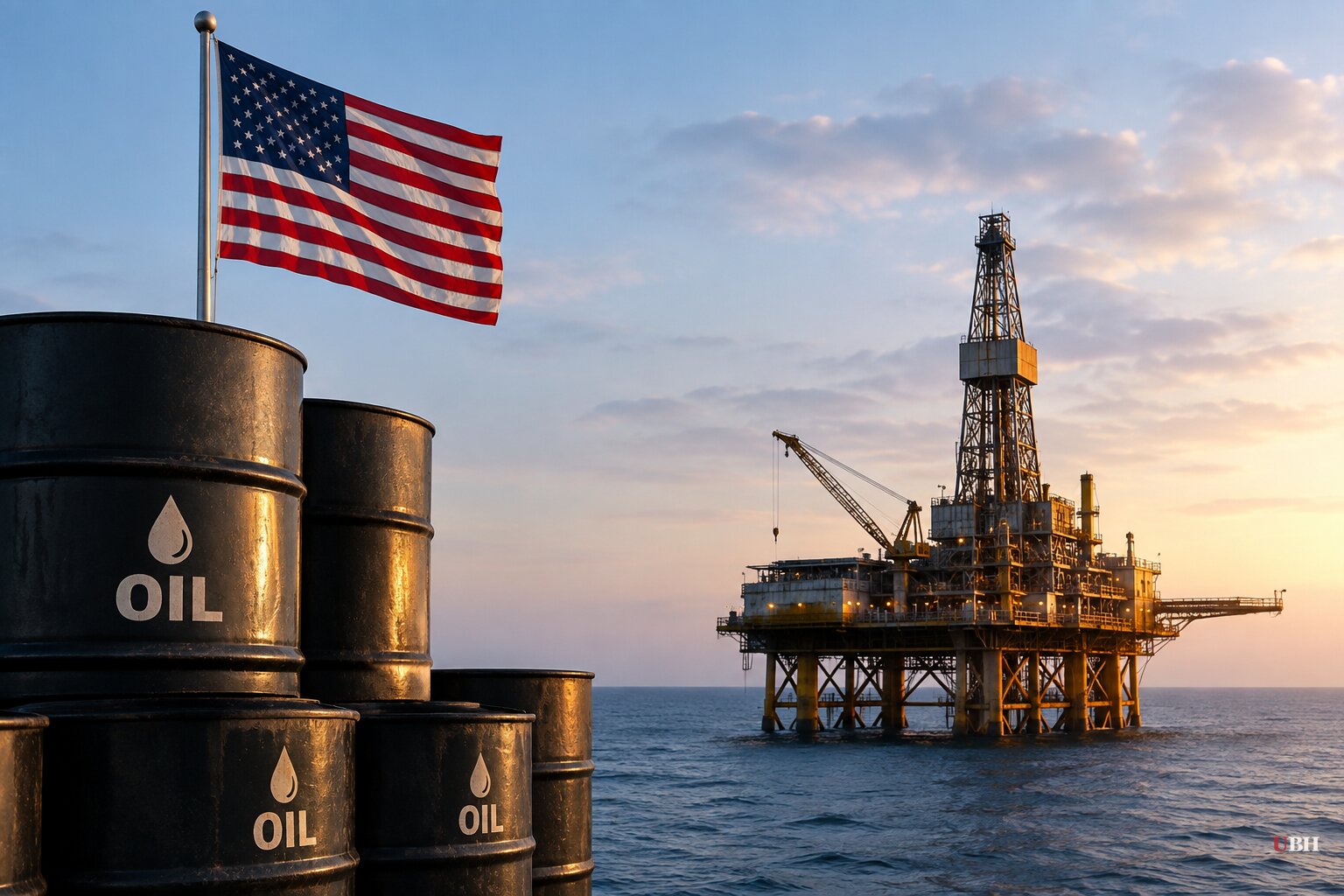
Since Iran's June peace deal collapsed and Tehran resumed strikes on shipping in the Strait of Hormuz, gasoline prices have climbed to a national average of $4.31 a gallon as of Sunday, September 13, according to AAA. That's up 17 cents in a week and more than a dollar above last year's price. Against that backdrop, President Trump floated a new possible endgame for the Iran war: keeping the oil.
Speaking to reporters at Trump International Golf Links in Doonbeg, Ireland, where he was attending the Irish Open, Trump said, "We'll ultimately get out, unless we decide to stay and keep the oil, like Venezuela." He added that U.S. revenue from Venezuela's oil has "paid for the war many times."
The Venezuela comparison refers to an August agreement in which the U.S. government took a 55% stake in a joint venture covering 17 Venezuelan oil fields holding an estimated 65 billion barrels of proven reserves, according to a U.S. official cited by CBS News and reporting from Breitbart. The deal runs 25 years and followed the January capture of former Venezuelan leader Nicolás Maduro, who faces drug trafficking charges in New York and pleaded not guilty. Interim President Delcy Rodríguez has called it a boost for Venezuela's economic recovery. Secretary of State Marco Rubio wrote on X in late August that the arrangement is "securing stable reserves and low-cost oil in our Hemisphere and lowering gas prices here at home."
Trump has floated a version of this idea for Iran before. He told the Financial Times in March that taking Iranian oil was his "favorite thing," dismissing critics as "stupid people." Victoria Coates of the Heritage Foundation told The Hill at the time that even without needing Iranian oil, U.S. control could open the door for American businesses to rebuild Iran's industry, drawing the same Venezuela parallel Trump made Sunday.
No formal agreement or legal framework for extracting Iranian oil has been announced. Trump did not say whether U.S. troops would remain in Iran to secure any such arrangement, and the White House did not respond to a request for comment from the Epoch Times and NTD on Sunday. The idea, as of now, is a suggestion floated on a golf trip, not a signed deal.
The UK Maritime Trade Organization reported an "incident" in the Hormuz Strait on Saturday, September 12, saying a vessel was struck by an unknown projectile, caught fire, and required a crew evacuation. Brent and West Texas Intermediate crude have both stayed above $100 a barrel, with traders bracing for further increases Monday after a strike on a Saudi oil pipeline, according to Business Standard.
A separate diplomatic track is unfolding in parallel. Iran, Oman and several Gulf states are set to meet Monday, September 14, to discuss the Strait of Hormuz, according to The Nation and CiberCuba. Iranian Foreign Minister Abbas Araghchi said the meeting will focus on establishing a new maritime route rather than reopening the strait itself, and stressed that any Oman agreement "does not in any way mean that the Strait of Hormuz is being reopened." Araghchi said Iran's condition for actually reopening the strait is that Washington return to its commitments under the Islamabad memorandum, the June peace framework that collapsed earlier this year.
Asked about Monday's meeting, Trump said he doesn't "care" how it turns out, adding, "That's up to them. If they are happy, that's fine." He separately predicted the war would end sometime after November's midterm elections and that gas prices would "drop like a rock" once it does. He also claimed Iranian officials are "calling constantly" to negotiate, an assertion Tehran has previously denied.
Occupying and extracting a foreign country's resources during an active war raises basic questions about legal authority and long-term entanglement, not just economics. Trump has dismissed that concern outright rather than engaging with it. Whether that argument gains traction now depends on what, if anything, comes out of Monday's Oman meeting, and whether Trump's Iran comments turn into an actual proposal rather than a comparison drawn on a golf trip in Ireland.
Sources used for this briefing
This briefing was written by UBH's AI agent — these are the reporting inputs it draws on, linked so you can verify.


