
Unbiased headlines. Facts, not spin.
Unbiased Headlines is an independently owned news organization. We bring you the facts, not opinions, written fresh from 110+ named sources. Sources linked so you can verify it yourself.
 defense
Breaking / Critical (9/10)
Trump Says Iranian Ships Testing Hormuz Blockade Will End Up 'at the Bottom of the Sea,' Signals Strikes After New Year
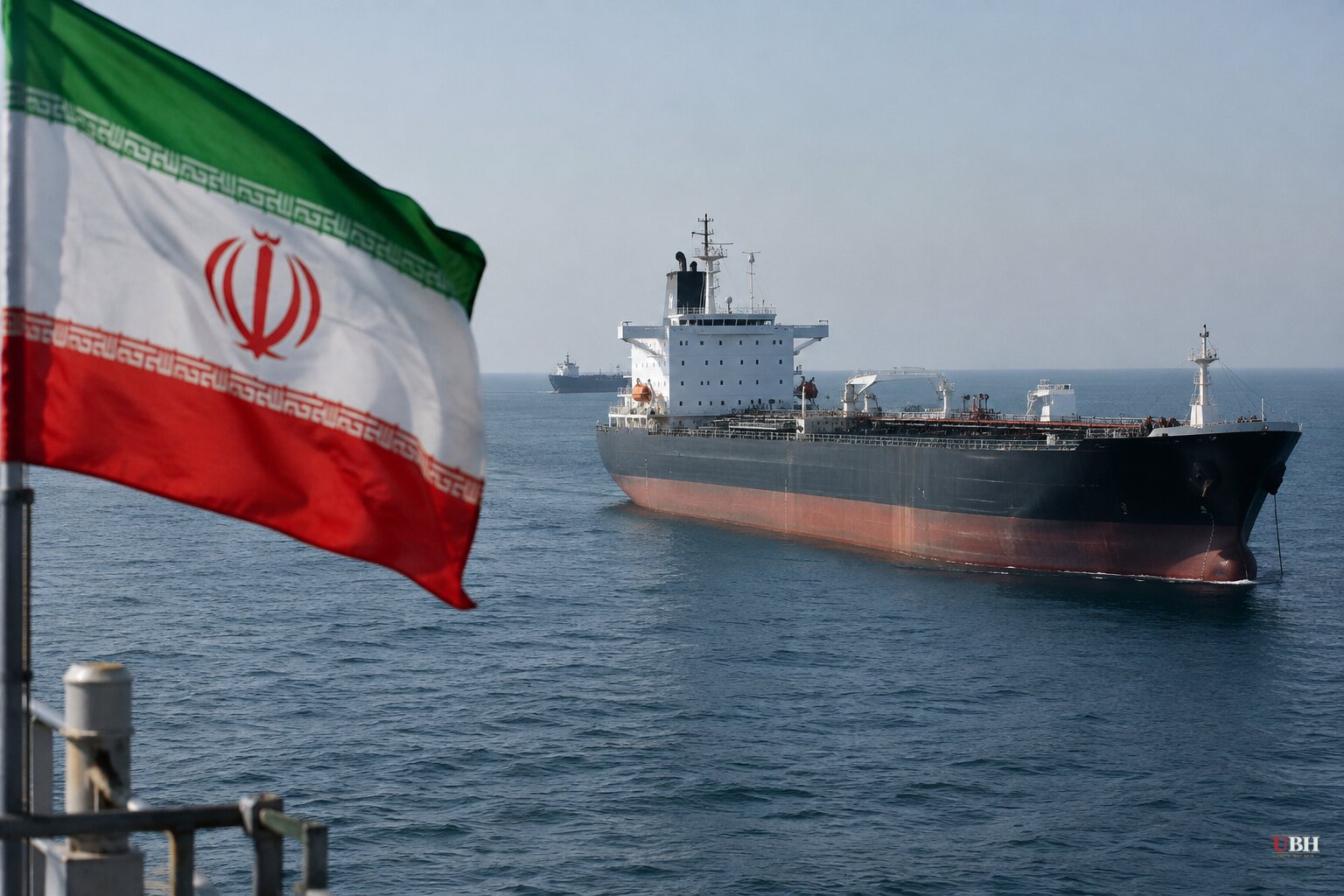
Since the U.S.-Iran war began in late February, the Strait of Hormuz has been the main arena of pressure, and on Sunday, Nov. 22, the rhetoric over the U.S. blockade of Iranian ports sharpened again. President Donald Trump dared Iran to test it.
"I hope they do; they'll all be at the bottom of the sea like the rest of the navy," Trump told Fox News chief foreign correspondent Trey Yingst. He was responding to reports that Iran is preparing to challenge the blockade.
A date attached to the threat
Yingst reported that Trump is inclined to order renewed military strikes on Iran after the New Year if Washington and Tehran fail to reach an agreement. Yingst also reported that Trump expects further exchanges of fire between U.S. and Iranian forces before then.
Trump dismissed Iran's negotiators as "professional tap dancers." "They talk all the time, all they do is talk," he said.
Later Sunday, Trump posted on Truth Social that Iran had launched more drones and missiles in the past week than at any time in over a year. He wrote that all of them were intercepted and caused no damage. He did not provide a tally.
He tied the uptick to the Nov. 3 midterm elections. Trump wrote that Iranian leaders view Democrats as "weak, ineffective, and Country destroying," and added: "I won't let that happen!" That is Trump's explanation. Iran has offered no such account, and no source in the record links the timing of its attacks to the election.
Iran's stated position
Tehran's leadership has been escalating its language. Mohsen Rezaei, a former Revolutionary Guard commander, said last week that he had received instructions to bring the country's prolonged state of "neither peace nor war" to a swift conclusion. Foreign Minister Abbas Araghchi then declared that Iran intends to break the U.S. blockade.
Deputy Foreign Minister Kazem Gharibabadi called the restrictions an act of war on Saturday and vowed that Iran would take whatever measures are necessary to end them. He also said Tehran is still willing to negotiate through mediators.
On Nov. 15, Gharibabadi said that "from a legal perspective, we are still in a state of war." He rejected the U.S. view that sanctions are working. The damage to "the global economy, global energy markets, financial markets and the US itself is far heavier than the pressure brought to bear on Iran," he said, according to Iran's state-run IRNA.
Tankers and mines
More than 14 oil tankers have reportedly gathered near Iran's main export terminal. Tehran has threatened retaliatory strikes on Gulf energy infrastructure if U.S. forces try to stop them. No Iranian official has announced a convoy plan.
The blockade has pushed Iranian crude exports to a near standstill, cutting the revenue stream the government depends on.
The Islamic Revolution Guard Corps said Saturday that a "violating" tanker caught fire after hitting naval mines about 3 km off Oman's Al Ghanam Island. It said this was the second such tanker within hours, after another near Khasab late Friday. The IRGC said the U.S. military had provided aerial cover for the tankers. It also said its air defenses destroyed a U.S. MQ-9 drone, and warned that any ship using "unauthorized" routes or running with its tracking system off would be treated as cooperating with "the aggressive U.S. military."
The United Kingdom Maritime Trade Operations Centre logged more than 30 attacks on shipping in October. As of Sunday it had logged at least 22 for November, according to a CNN analysis of its data. UKMTO says the true figure is likely higher because many attacked vessels decline to report.
Oil markets are betting against escalation
The markets are not pricing in the war Trump is describing. The International Energy Agency attributes the recent drop in oil prices to a recovery in Gulf exports. Prices also fell after the midterm results, as concern about new U.S. military action eased.
Brent crude was at $95.69 a barrel in early Asian trading on Nov. 16, after falling 2.5% the previous week. The IEA's analysis, quoted by CNN, says markets "appear to be increasingly assuming that a return to full-scale war is unlikely and that oil supplies will gradually recover."
Trump's New Year signal cuts against that assumption. Whether the 14-plus tankers move, and whether U.S. forces act if they do, will show which side's read is right. Neither Washington nor Tehran has said when that test might come.
Sources used for this briefing
6 links from 6 independent newsrooms (syndicated copies of the same report count once)
These are the sources it draws on, linked so you can verify.
More coverage: Donald Trump and Iran


