
Unbiased headlines. Facts, not spin.
Every story is an unbiased news briefing written from 110+ sources across the spectrum — sources linked so you can verify it yourself.
 defense
Breaking / Critical (9/10)
July 23, 2026 at 07:40 PM
defense
Breaking / Critical (9/10)
July 23, 2026 at 07:40 PM
Trump Says He's Close to Ordering Iran Strike "Bigger Than Anything Before" as Oil Tops $100
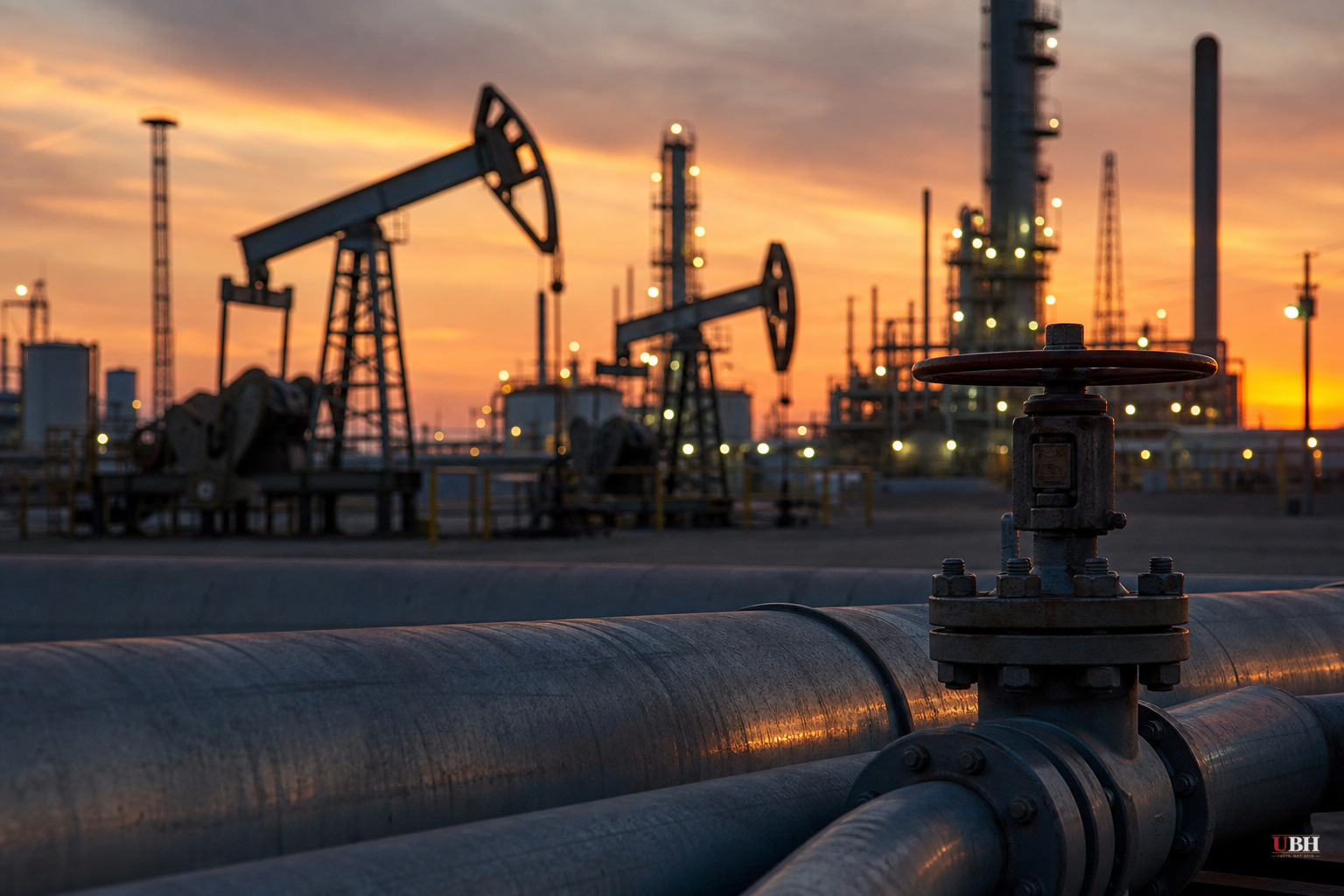
Since American forces carried out a 12th consecutive night of strikes on Iran, President Trump has escalated his rhetoric further, telling Axios he is "close" to ordering an attack he describes as bigger than anything the US has launched in this conflict, including the opening strikes of Operation Epic Fury that killed the Ayatollah and dozens of senior Iranian officials.
"I'm considering a massive attack greater than anything before. I'm close to making a decision," Trump said, according to Israel's Channel 12 (N12). "Israel would join in two minutes if I ask them to. We don't need anybody."
Trump added that Iran "wants to negotiate, but they are not ready to make a deal. They haven't received enough pain yet." Axios reported Trump stressed no final decision has been made, and that he acknowledged such a strike "would have consequences."
Markets Are Not Waiting Around
Brent crude climbed above $100 a barrel on Thursday, according to investingLive, which had it at $100.88. WTI crude was trading near $92.67, up roughly 6.75% on the day per investingLive's figures, though separate data cited by Mitrade put WTI closer to $91.39, up 5.86%. Oil is having its sharpest move in months.
The Nasdaq was down about 700 points, or 2.71%, according to investingLive. Mitrade's market data showed the Nasdaq 100 index off 2.21% at 28,355.9. Gold, often a safe-haven trade, actually fell alongside the selloff, down nearly 2% to around $4,047, per Mitrade, as investors apparently favored cash and the dollar over bullion. FXStreet reported the US Dollar Index gaining broadly on "risk-averse" flows, with the euro sliding to a three-week low and the British pound dropping below 1.3350.
Bitcoin slid too, trading below $65,800, according to FXStreet, even as spot Bitcoin ETFs reportedly logged a seventh straight day of inflows.
Mitrade's market commentary summed up the mood bluntly: the Dow is "selling the war without an earnings alibi," meaning traders aren't pinning the drop on corporate results. They're pricing geopolitical risk directly.
Rubio's Line: Iran Is "Begging for a Deal"
Secretary of State Marco Rubio said no negotiations are currently underway, insisting Iran is "begging for a deal" while warning Tehran will keep paying "a very heavy price," according to reporting cited by ZeroHedge. That claim sits awkwardly next to FXStreet's report, sourced to two regional officials involved in mediation efforts, that Iran's leadership has not accepted the latest proposal put forward by intermediaries. Those are not necessarily contradictory. Iran could be seeking terms without having accepted any specific offer. But it's a meaningful gap between an administration insisting Tehran is desperate and on-the-ground mediators saying no deal has been reached.
Houthis Widen the Fight
The Houthis have escalated their own campaign, threatening Saudi Aramco directly after striking two Saudi oil tankers and expanding a blockade against Saudi shipping, according to ZeroHedge. Trump has separately threatened to hold Iran directly responsible for future Houthi attacks, tying Tehran to a Yemeni militia it backs but does not directly command in every operation.
Regional outlets add another layer. Al Hadath and Israel's Channel 12 reported that US officials have told regional allies to prepare for a new, larger assault on Iran, according to ZeroHedge's summary of that coverage. Israeli jets have reportedly sat out the past twelve nights of US strikes, and there's speculation Israel could rejoin this round if Trump gives the order, though Trump himself said the US "doesn't need anybody" to carry it out.
The Case for Caution, Stated Fairly
There's a legitimate argument for restraint here. A strike bigger than the one that killed Iran's Ayatollah and senior military leadership risks a regional war that draws in Gulf states already getting hit by Houthi missiles, tanks oil markets further, and arrives with midterms months away and, per ZeroHedge, "the prospect of all-out war remains unpopular among American voters." Escalation without a clear endpoint is a real risk, not a talking point invented by war skeptics. Trump himself conceded to Axios that a bigger strike "would have consequences," which is as close to an acknowledgment of that risk as the administration has offered publicly.
The counter-argument, which Rubio and the administration are making, is that twelve nights of tit-for-tat strikes without a knockout blow have simply left Iran able to keep attacking US partners in Bahrain, Jordan, and Kuwait, all of which reported fresh Iranian missile and drone attacks, according to ZeroHedge. Under that view, a bigger strike is what forces Tehran to actually negotiate rather than absorb limited pain indefinitely.
No timeline has been set. No mediation source cited by FXStreet has indicated Iran is close to accepting a proposal. Whether Trump gives the order, and whether Israel gets that two-minute phone call, is now the only question markets are trading on.
Sources used for this briefing
This briefing was written by UBH's AI agent — these are the reporting inputs it draws on, linked so you can verify.


