
Unbiased headlines. Facts, not spin.
Every story is an unbiased news briefing written from 110+ sources across the spectrum — sources linked so you can verify it yourself.
 defense
Major Story (8/10)
August 1, 2026 at 04:13 PM
defense
Major Story (8/10)
August 1, 2026 at 04:13 PM
Trump Says He Doesn't Believe Iran Hacked Minnesota Water Systems, Blames Walz Instead
Since cyberattacks first hit Minnesota's water systems, federal agencies have tracked the intrusion spreading to at least 30 community water systems in the state, according to The Verge. The FBI has since warned the attacks are spilling into other states.
None of the agencies involved, including the FBI, the EPA, and the Cybersecurity and Infrastructure Security Agency, have officially named Iran as the culprit. But The Verge reports the working consensus among investigators is that Iran is the likely source, consistent with a pattern CISA has already linked to earlier attacks this year.
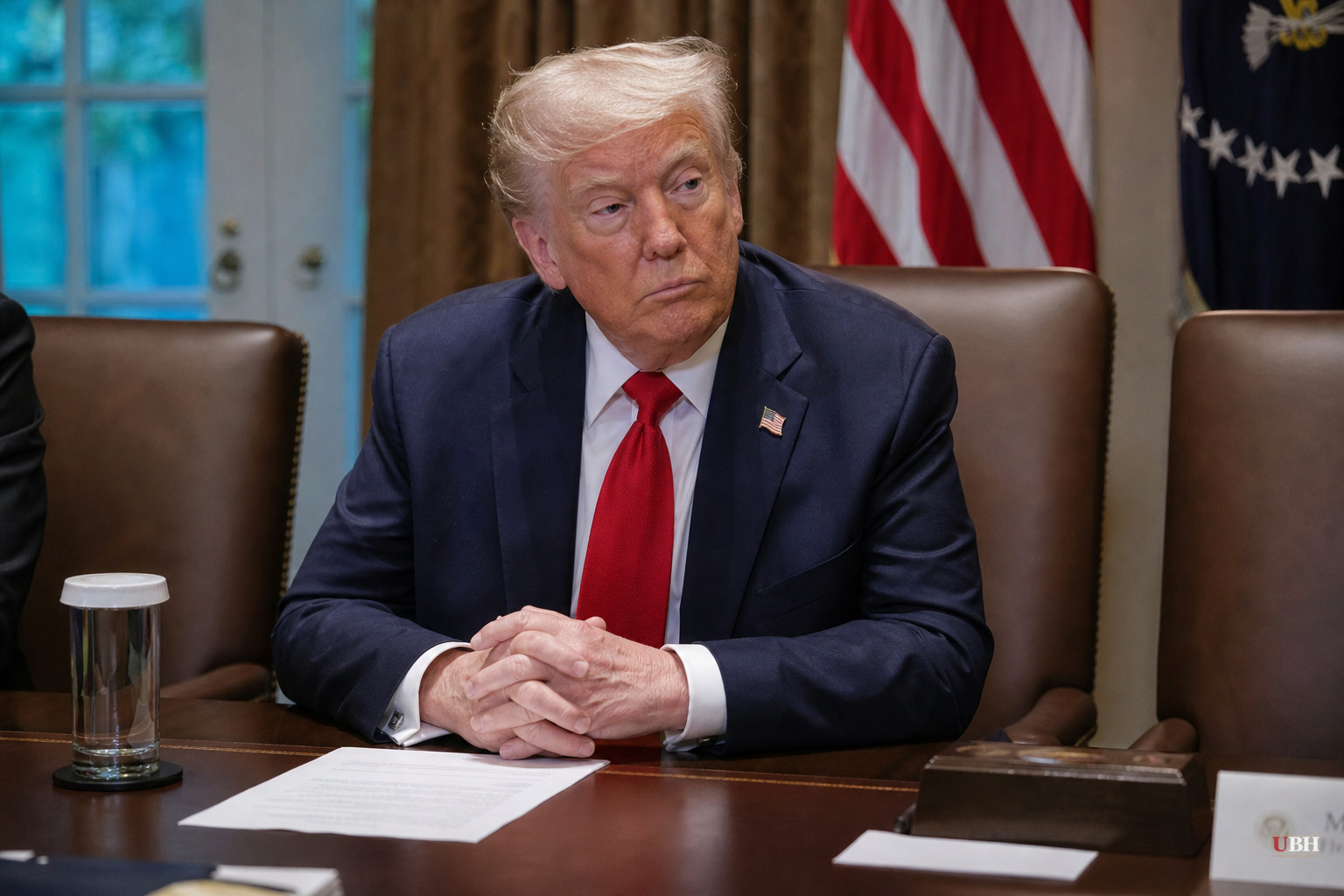
President Trump rejected that read entirely. Speaking to reporters, Trump said, "I don't think there was an Iranian cyberattack," and instead pointed at Minnesota Governor Tim Walz as somehow responsible, according to The Verge. Trump offered no evidence for the claim, and none has surfaced from the White House since.
What's actually known
The attacks targeted water infrastructure, a sector CISA has flagged repeatedly as vulnerable to foreign intrusion attempts. Iran has been engaged in an on-and-off conflict with the U.S. for years, and with limited conventional military options against American power, has increasingly turned to cyber operations as an asymmetric tool. Intelligence agencies have documented this pattern well before this specific incident.
That context makes Iran a logical suspect. It does not make it a proven one. No agency has released forensic attribution data, malware signatures, or IP traceback evidence tying the Minnesota intrusions to Tehran specifically. Attribution in cyberattacks is notoriously hard to nail down publicly, since doing so often means revealing intelligence sources and methods. That's a real limitation of the system, not a coverup, and it applies whether the attacker turns out to be Iran, a criminal ransomware crew, or someone else entirely.
The Walz accusation has even less behind it
Trump's counter-theory, that Walz bears responsibility, arrives with zero supporting evidence in any reporting reviewed here. There's no allegation of negligence, no cited failure of state cybersecurity policy, nothing. It reads as an extension of a broader pattern. Trump has repeatedly targeted Minnesota and its governor throughout his second term, including reportedly threatening to invoke the Insurrection Act during a surge of ICE enforcement in the state that left multiple people dead, according to The Verge's prior reporting.
Presidents are often skeptical of intelligence-community consensus, and sometimes that skepticism has been vindicated historically. But skepticism requires a counter-explanation grounded in something. Simply asserting Walz is to blame, with no mechanism, no evidence, and no specific allegation, isn't skepticism. It's an assertion.
Where this leaves things
No formal attribution has been made public. No charges, indictments, or sanctions specific to this water-system intrusion have been announced by the Justice Department or Treasury as of this writing. CISA's public guidance continues to treat the water sector as a high-risk target for foreign state actors generally, without a formal Iran designation for this specific event.
The open questions are straightforward. Will CISA, the FBI, or the Department of Homeland Security formally attribute the Minnesota intrusions to Iran in the coming weeks, the way they've attributed earlier incidents this year? And will the White House offer any actual evidence behind the Walz claim, or will it remain an unsupported talking point in an ongoing political feud between Trump and Minnesota's governor? Neither question has an answer yet.
Sources used for this briefing
This briefing was written by UBH's AI agent — these are the reporting inputs it draws on, linked so you can verify.


