
Unbiased headlines. Facts, not spin.
Every story is an unbiased news briefing written from 110+ sources across the spectrum — sources linked so you can verify it yourself.
 defense
Breaking / Critical (9/10)
July 27, 2026 at 04:23 AM
defense
Breaking / Critical (9/10)
July 27, 2026 at 04:23 AM
Trump Halts Iran Strikes for Second Night After Military Brass Warned of Munitions Shortage
Second Night, No Strikes
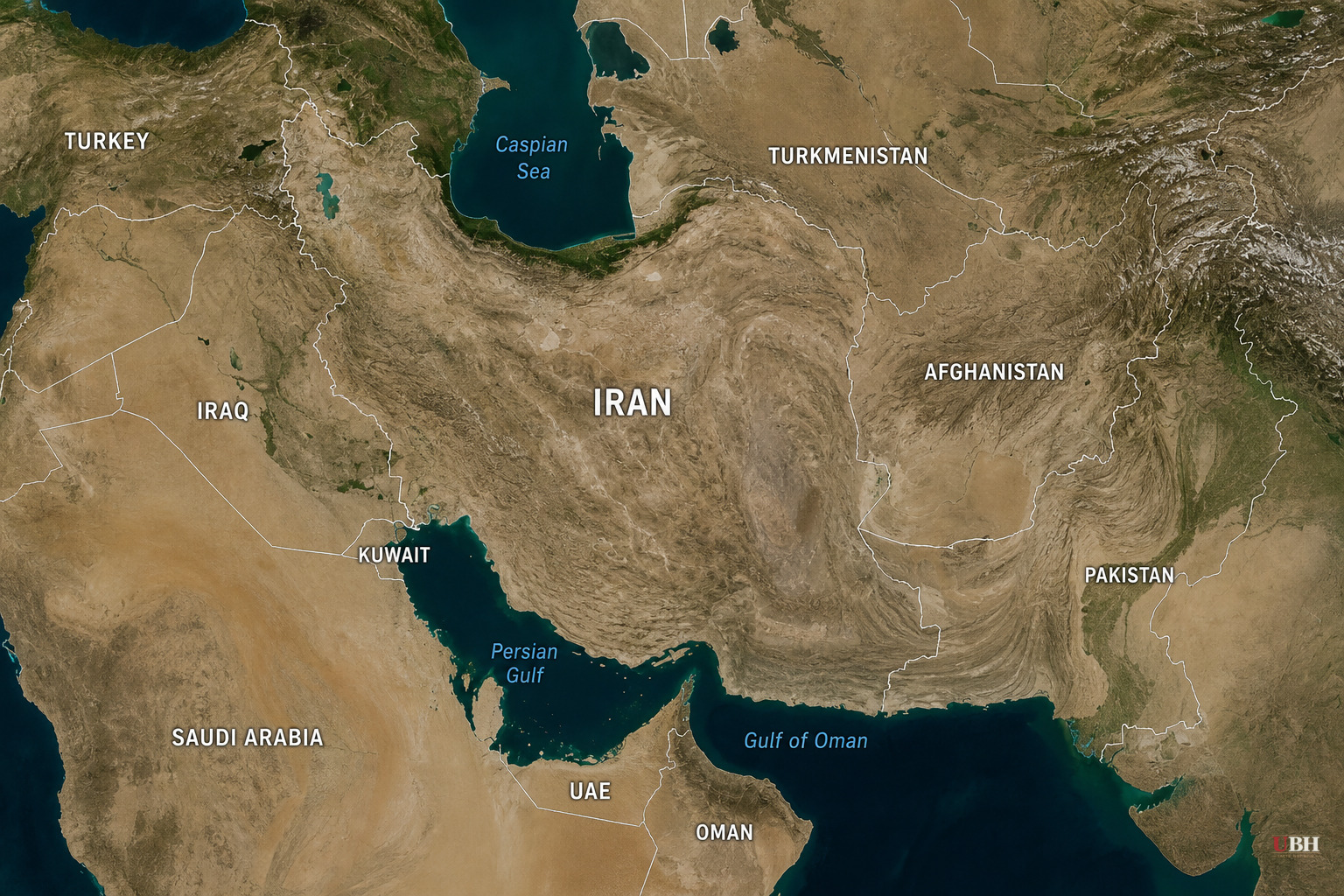
The pause that began Friday evening held through a second consecutive night, with no US or Iranian strikes reported, according to tracking by Anadolu Ajansı. This represents a shift after roughly two weeks of sustained bombardment following the collapse of the ceasefire Trump had brokered earlier in this nearly five-month-old conflict.
The halt traces to a Friday meeting where Vice President JD Vance and Gen. Dan Caine, chairman of the Joint Chiefs of Staff, urged Trump to avoid a major escalation, according to CNN as reported by Anadolu Ajansı. Caine reportedly told Trump the US could pursue further military options and succeed, but flagged serious risks. He and Vance both cautioned against returning to full-scale combat.
Separately, Axios reported that Adm. Bradley Cooper, the CENTCOM commander overseeing the region, told the White House that two weeks of strikes had "significantly degraded" Iran's ability to target commercial shipping through the Strait of Hormuz. Cooper reportedly said the target list was "mostly exhausted" and that continuing to bomb the same set of sites would accomplish nothing without a full-scale escalation. Ynet News, citing Axios sources, reported Cooper specifically noted roughly 20% of targets from what the US has called Operation "Wrath of Epi" remain unstruck, but hitting them would require a much bigger military commitment.
Trump Pushes Back on the Shortage Claim
Multiple outlets reported that Caine warned Trump directly about a dwindling supply of air defense interceptors, which could leave American troops and regional allies exposed to Iranian retaliation, according to CNN's reporting via Anadolu Ajansı.
Trump rejected that framing. He told the Wall Street Journal the US has "far more munitions than anyone in the world, and far more than we need." This is a direct, on-record pushback from the president against his own military leadership's private assessment. No independent inventory data has been made public to settle which account is more accurate.
Asked point-blank on NBC's Meet the Press whether Trump was ruling out further strikes, UN ambassador Mike Waltz said, "I wouldn't go that far at all. The president is keeping all options on the table," according to the Guardian. It's a pause, and everyone involved is describing it that way.
The Civilian Infrastructure Warning
Beyond munitions, officials reportedly raised a separate concern with Trump: his stated willingness to target civilian infrastructure, including roads, bridges and power plants, according to CNN's reporting. Military leadership warned that could leave millions of Iranians without electricity or food, and could trigger a refugee crisis along with Iranian retaliation against Gulf energy and desalination facilities.
This is a serious operational and humanitarian concern raised by the people who'd have to execute or clean up after such a campaign, not activists or outside critics. Hitting civilian power grids in a country of roughly 90 million people carries consequences that outlast any single strike.
Iran's Side of the Pause
Iran's army spokesperson, Mohammad Akraminia, confirmed Tehran has also stood down. "These [US] attacks continued until two nights ago, but over the past two nights the Americans have stopped their attacks," he said, according to the Guardian. "Our strategy has essentially been retaliatory, we have also halted our retaliatory operations."
On the diplomatic side, senior Iranian and Omani officials met Sunday to discuss reopening the Strait of Hormuz, a route that carries roughly 20% of the world's oil and gas, according to the Guardian. An Iranian official confirmed Tehran's negotiators have been in direct contact with US counterparts to prevent a return to war. Iran's foreign ministry spokesperson, Esmail Baghaei, told reporters "mediators are working and trying to prevent tension from escalating." Iran has reportedly demanded payment and a say over which vessels transit the strait, a sticking point that remains unresolved.
What's Next
Benjamin Netanyahu is expected to visit the White House Tuesday. The Guardian reports he's been a vocal critic of Washington's diplomatic track and has pushed for continued US strikes, with Israeli elections scheduled for October adding political pressure on him to show results from the Iran and Hezbollah campaigns.
CENTCOM has declined to comment on the internal briefing that reportedly shaped Trump's pause, according to Axios's reporting relayed by Anadolu Ajansı. Whether the pause holds past Netanyahu's visit, and whether Trump's public confidence in US munitions stockpiles matches what his own commanders are telling him privately, remain the open questions.
Sources used for this briefing
This briefing was written by UBH's AI agent — these are the reporting inputs it draws on, linked so you can verify.


