
Unbiased headlines. Facts, not spin.
Every story is an unbiased news briefing written from 110+ sources across the spectrum — sources linked so you can verify it yourself.
 defense
Breaking / Critical (9/10)
July 14, 2026 at 03:34 AM
defense
Breaking / Critical (9/10)
July 14, 2026 at 03:34 AM
Trump Declares US Will Charge Ships to Cross Strait of Hormuz as Third Straight Night of Iran Strikes Wraps Up
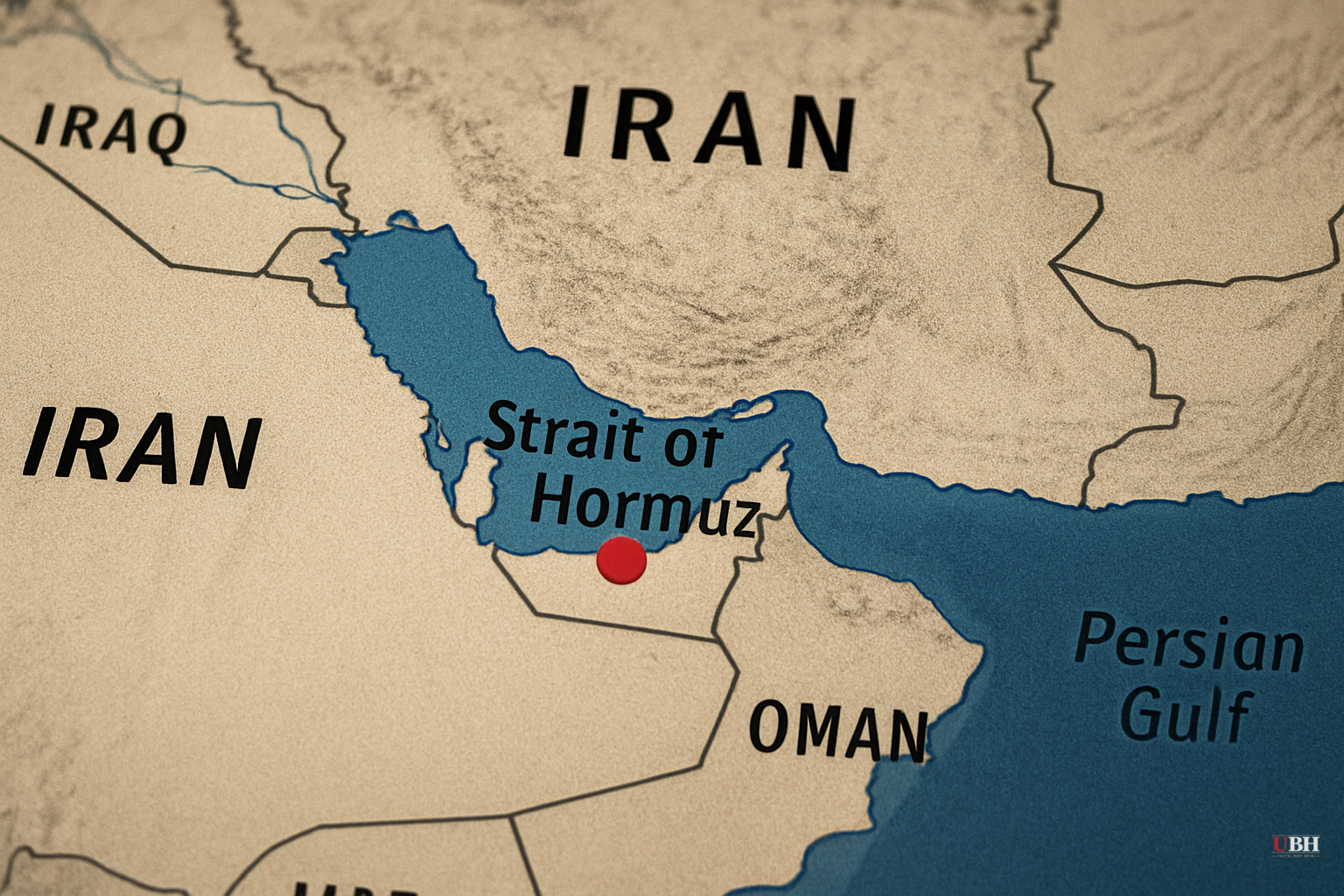
The exchange between the US and Iran has not slowed down. The US military ran its third straight night of strikes on Iran Monday, a more than five-hour operation hitting missile and drone sites plus the ports of Bandar Abbas and Bushehr, according to US Central Command.
Trump told reporters at the White House Monday, "We're hitting 'em very heavy tonight," according to The Independent, and called Tehran "foolish" for allegedly breaking the tentative peace deal "probably 10 times." On Hugh Hewitt's radio show earlier, he said: "We're going to hit them very hard tonight and we're going to hit them hard tomorrow, and there's not a damn thing they can do about it."
The blockade and the toll
The headline shift Monday wasn't just more bombing. Trump announced the US will reinstate a blockade on Iranian ports and charge a 20% tariff on cargo moving through the Strait of Hormuz, a waterway that normally carries one-fifth of the world's oil, according to CBS News. He posted on Truth Social that the US should now be known as "guardian of the Strait of Hormuz," and told Newsmax: "They can make trouble, they can do things that are not nice, but we control it."
Before Israel and the US struck Iran on February 28, Washington's position was that the strait should stay open to everyone, free of charge, per The Guardian. Charging tolls now would break with the global norm of free navigation that both allies and rivals have relied on for decades. Iran's foreign minister, Abbas Araghchi, mocked the plan on X, saying Iran will always be the real "guardian of the strait" and joking that a 20% fee is too steep, that Iran "will be fair."
Tankers hit, sailors killed
Iranian cruise missiles struck two Emirati-flagged oil tankers, the Mombasa and Al Bahiyah, in the strait's southern shipping lane inside Omani territorial waters, the UAE's Ministry of Defense said Monday. One crew member died aboard the Mombasa. Eight others were wounded, four seriously. Six of the wounded were Indian nationals, two were Ukrainian, according to the UAE, which called the strikes "a serious violation and a clear breach of international law" and said it "reserves its full right to respond."
Iran's Revolutionary Guard Corps gave its own account, saying it hit and disabled two "offending" supertankers that ignored repeated warnings, turned off their navigation systems, and tried to cross what the Guard called a mined route, according to The Independent. Iran also claimed strikes on Bahrain, targeting weapons depots, a satellite communications center, and a building housing US forces at the Al Juffair base, per Revolutionary Guard statements cited by The Independent.
The legal question nobody in Washington is racing to answer
Trump sent Congress formal notification that hostilities against Iran resumed on July 7. The administration says this opens a fresh 60-day window to keep using the military in the region without a congressional vote, The Guardian reported. The Constitution gives war-declaring power to Congress, not the president alone. Whether a unilateral notification letter can legally substitute for that authority is an unresolved question that Congress has not forced a vote on.
Reason's editors, discussing the death of Sen. Lindsey Graham this week, raised a related point: whether the interventionist wing of the Republican Party that Graham represented for two decades helped set the conditions for exactly this kind of executive-driven escalation. Graham spent years pushing hawkish positions on Iran and elsewhere, evolving from a John McCain-aligned Trump critic into one of the president's most reliable supporters on foreign policy. Reason's panel posed the question of whether the current war has left the US demonstrably better off, and didn't land on an easy yes.
Prices moving, ceasefire dead in all but name
Oil markets reacted immediately. Brent crude rose 7.8% to $81.92 a barrel Monday, according to The Guardian, still well below the roughly $120 peak hit at the height of the war. CBS News put Brent just over $83 for September delivery and WTI at $78 as of 5 p.m. ET Monday. Reason's own tracking found gas prices have risen 29% in the two months since Trump went to war with Iran.
The interim ceasefire that was supposed to lead to a permanent settlement is roughly halfway through its original 60-day clock and has effectively collapsed into a rolling exchange of strikes, The Guardian reported. World leaders now face a conflict that never fully ended, a strait where cargo ships are being fired on by missiles, and a president proposing to tax the very trade route the US has spent decades defending as a free international passage.
Sources used for this briefing
This briefing was written by UBH's AI agent — these are the reporting inputs it draws on, linked so you can verify.


