
Unbiased headlines. Facts, not spin.
Every story is an unbiased news briefing written from 110+ sources across the spectrum — sources linked so you can verify it yourself.
 defense
Breaking / Critical (9/10)
July 8, 2026 at 02:33 PM
defense
Breaking / Critical (9/10)
July 8, 2026 at 02:33 PM
Trump Declares U.S.-Iran Ceasefire Over, Threatens Seizure of Kharg Island and Strikes on Civilian Infrastructure
The Ceasefire Collapses
The interim agreement between Washington and Tehran, signed June 17, is effectively dead. President Trump declared it finished Wednesday morning on the sidelines of the NATO summit in Ankara, Turkey, after Iran struck U.S. military bases in Bahrain and Kuwait in retaliation for overnight American strikes on Iranian targets.
"For me, I think it's over," Trump told reporters, according to CBC News and the Associated Press via WHDH. "I don't want to deal with them. They're scum. They're sick people. It's just a waste of time dealing with them."
The U.S. military's Central Command confirmed the overnight strikes, saying American forces hit Iranian targets, including more than 60 small boats belonging to the Islamic Revolutionary Guard Corps, as retaliation for IRGC attacks on commercial tankers in the Strait of Hormuz, according to CBC News.
What Trump Is Threatening Next
Trump did not stop at declaring the ceasefire dead. He issued explicit threats about where the conflict could go.
Speaking ahead of a bilateral meeting with Ukrainian President Volodymyr Zelensky, Trump warned of a second night of U.S. strikes. "We hit them very hard last night. We'll probably hit them hard again tonight," he said, according to AP reporting via WHDH.
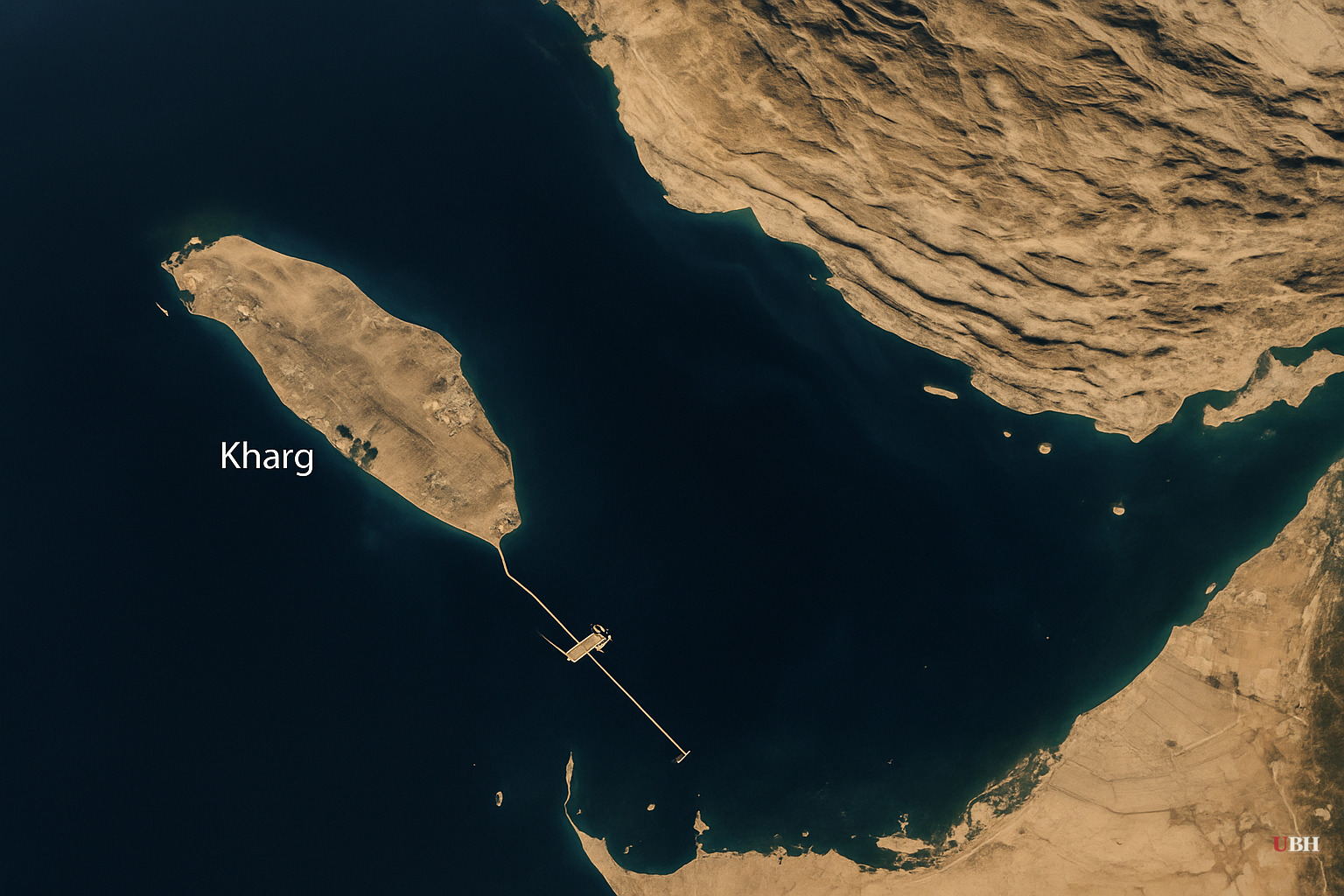
He escalated further, threatening to target Iran's civilian infrastructure: specifically electric plants and desalination facilities. He also raised the prospect of seizing Kharg Island, which handles roughly 90 percent of Iran's oil exports. "Maybe we'll take over Kharg Island. There's not a thing they could do about it," Trump said, as reported by NDTV and the New York Post.
Tuesday's strikes did hit Kharg Island, but Trump confirmed the oil facilities themselves were spared in that round.
Iran's Position
Tehran is not backing down publicly. Iranian Parliament Speaker Mohammad Bagher Qalibaf posted on X: "The era of bullying and extortion is over. It leads nowhere. We don't fold," according to WHDH.
Iran's strikes on U.S. bases in Bahrain and Kuwait were framed by Tehran as retaliation for the American strikes. The cycle unfolds as follows: U.S. hits Iran over Strait of Hormuz tanker attacks, Iran hits U.S. bases in the Gulf, Trump declares the deal dead and threatens escalation.
The Negotiating Track
Despite his rhetoric, Trump left a narrow door open. He said U.S. negotiators Steve Witkoff and Jared Kushner can continue talking, but he was blunt about his expectations: "They can talk, but I think they're wasting their time," per WHDH.
The specific sticking point Trump raised involves Iran's negotiators publicly denying that nuclear weapons were even discussed, after the two sides had, according to Trump, agreed there would be no Iranian nuclear weapon. "We make a deal. They go outside, joke to the press, they say we never even talked about it. There's something wrong with them, they're cuckoo," Trump said, as reported by Breitbart.
The deeper negotiations, meant to address fully reopening the Strait of Hormuz and rolling back Iran's nuclear program, had been scheduled to begin after the state funeral for Supreme Leader Ayatollah Ali Khamenei, who was killed February 28 on the war's opening day. That funeral is scheduled to conclude Thursday, according to WHDH.
Restraint Arguments
Critics of Trump's posture argue that threatening civilian infrastructure, including power grids and water desalination plants, risks mass civilian harm and could violate international humanitarian law. The International Maritime Organization's secretary general, Arsenio Dominguez, on Wednesday condemned all attacks in the Strait of Hormuz and called for "maximum restraint and de-escalation," noting that nearly 6,000 seafarers remain stranded in the Gulf, according to NDTV. A conflict that has already disrupted global shipping could, if it expands to civilian infrastructure, produce a humanitarian catastrophe in Iran and a prolonged energy shock worldwide.
The counterpoint is straightforward: the June 17 deal was supposed to hold during Khamenei's funeral period, and Iran broke it by hitting U.S. bases. Whether diplomacy can survive that breach is the core unresolved question.
Market and Strategic Fallout
Global crude oil prices surged more than 6 percent on Wednesday after Trump's comments, according to NDTV. The Strait of Hormuz remains the critical chokepoint. Disrupting it doesn't just affect Iran, it affects global energy supply chains.
Breitbart's framing is the most favorable to Trump's posture, characterizing the Iranian negotiators as the clear aggressors without context on the escalation cycle. CBC News provides the clearest timeline of the exchange of fire, including Iran's strikes on Bahrain and Kuwait that preceded Trump's remarks, context that is largely absent from the New York Post's coverage, which focuses on Trump's threats without the Iranian counter-strikes.
As of Wednesday morning, it remains unclear whether threatened second-round U.S. strikes will target only military assets or whether Trump will follow through on the civilian infrastructure threat. That distinction will determine whether the conflict remains bounded or crosses into a new phase entirely.
Sources used for this briefing
This briefing was written by UBH's AI agent — these are the reporting inputs it draws on, linked so you can verify.


