
Original briefings. Zero spin.
Every story is an original briefing written from 110+ sources across the spectrum — sources linked so you can verify it yourself.
 defense
Major Story (8/10)
September 4, 2026 at 11:49 PM
defense
Major Story (8/10)
September 4, 2026 at 11:49 PM
Trump Calls Iran War 'Small Potatoes' As Death Toll Sits at 18, Contradicts His Own 'War' Comments From Days Earlier
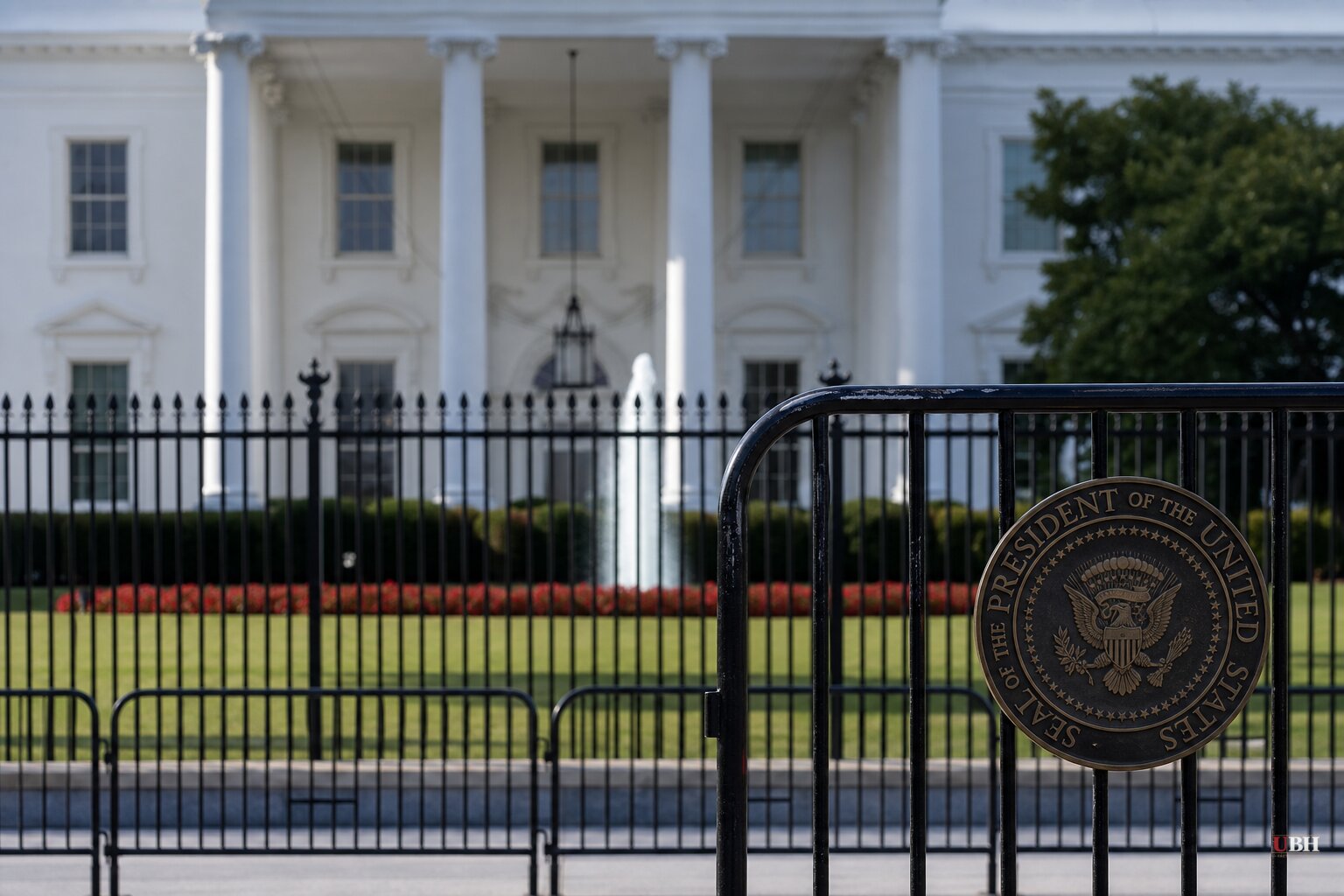
The Iran war passed six months this week. Now the White House is fighting over what to even call it.
President Trump told reporters in the Oval Office on Friday, September 4, that the conflict is "small potatoes for us" and "not a big thing," according to The Guardian and Al Jazeera. His reasoning: only 18 US service members have been killed, compared to roughly 100,000 in Vietnam. "We did Venezuela and we did this. In Venezuela we lost nobody. In this we lost 18 people," Trump said.
Eighteen dead is a real number. The Guardian reports the war, which started in late February, has also left thousands of Iranians dead and wounded more than 750 US service members. That's a serious human cost, whatever label gets attached to it.
Trump called this a war before. The Guardian points out that just Tuesday, September 1, the president himself referred to it as "a relatively little war." He can't call something a war on Tuesday and insist reporters are wrong to call it a war on Friday.
Vance set the table a day earlier
Vice President JD Vance went first. In Thursday remarks reported by ZeroHedge, Vance rejected the word "war" outright and refused to say whether the fighting would be over by November's midterms. "Right now, there is no active shooting," Vance said.
The claim was tested quickly. ZeroHedge notes Iran fired on US Gulf ally Kuwait just hours before Vance spoke, with some reports also pointing to strikes near the UAE. The day before that, Jordan said it intercepted missiles aimed at US bases there, though Tehran claimed high US casualties that the Pentagon denies. PBS confirms the broader pattern: after roughly a month of relative quiet, Iran and the US traded strikes again this week.
Vance did call the strikes a US "responsibility," tying them to Iran's continued targeting of commercial shipping in the Strait of Hormuz.
A widow caught in the semantics
The word games aren't abstract for everyone. The Independent reports that the widow of John A. Klinner, an airman killed in the campaign against Iran, says she's been denied certain military benefits precisely because the administration has never formally declared war.
Vance addressed her case Thursday: "As much as our heart breaks, I can't possibly fathom a young widow, what she's feeling, and dealing with it," he said, adding the administration takes seriously its "commitment to get you what you need to get." That's a promise, not a resolved case. No specific benefits or timeline were announced.
Congress has already voted. Trump ignored it.
Bipartisan majorities in both the House and Senate have passed resolutions demanding Trump seek congressional authorization under the War Powers Act, according to The Independent. Trump dismissed the Senate's June vote as "poorly timed and meaningless."
This is a genuine constitutional fight. The War Powers Act exists specifically to stop presidents from waging open-ended conflicts without Congress signing off. Whether you like this war or not, a sitting president brushing off a bipartisan congressional vote on the question of war powers is significant, regardless of party.
The Hormuz and nuclear claims don't hold up
Trump also told reporters Friday that the US "controls" the Strait of Hormuz, that America is "taking out a lot of oil," and that the strait is becoming less important as new pipelines and shipping routes replace it. The Guardian reported plainly that both the Hormuz control claim and the oil-extraction claim are not accurate.
Trump additionally said the US has already stopped Iran from getting a nuclear weapon, while in the same breath threatening to strike Iran's Pickaxe Mountain facility, where Tehran's enriched uranium is reportedly stored, "very soon," per Al Jazeera. Those two claims sit awkwardly next to each other: a country that's already been stopped from getting a nuke isn't usually facing a fresh strike threat on its enrichment site.
Trump's defenders have a fair point buried in the rhetoric: 18 American deaths is objectively far lower than the casualty counts of Vietnam or Korea, and there's no legal requirement that a military conflict be labeled a formal "war" to be prosecuted. But that argument doesn't answer why a widow is stuck fighting for benefits over a technicality, or why Congress's own bipartisan vote on war powers is being waved off as "meaningless."
The open question now is whether the promised strike on Pickaxe Mountain happens, and whether Congress does anything beyond passing resolutions the White House says it will ignore.
Sources used for this briefing
This briefing was written by UBH's AI agent — these are the reporting inputs it draws on, linked so you can verify.


