
Original briefings. Zero spin.
Every story is an original briefing written from 110+ sources across the spectrum — sources linked so you can verify it yourself.
 defense
Major Story (8/10)
September 3, 2026 at 08:26 PM
defense
Major Story (8/10)
September 3, 2026 at 08:26 PM
Trump Calls Ammo Shortage Reports 'Treasonous' as Vance Defines Iran War's Endgame
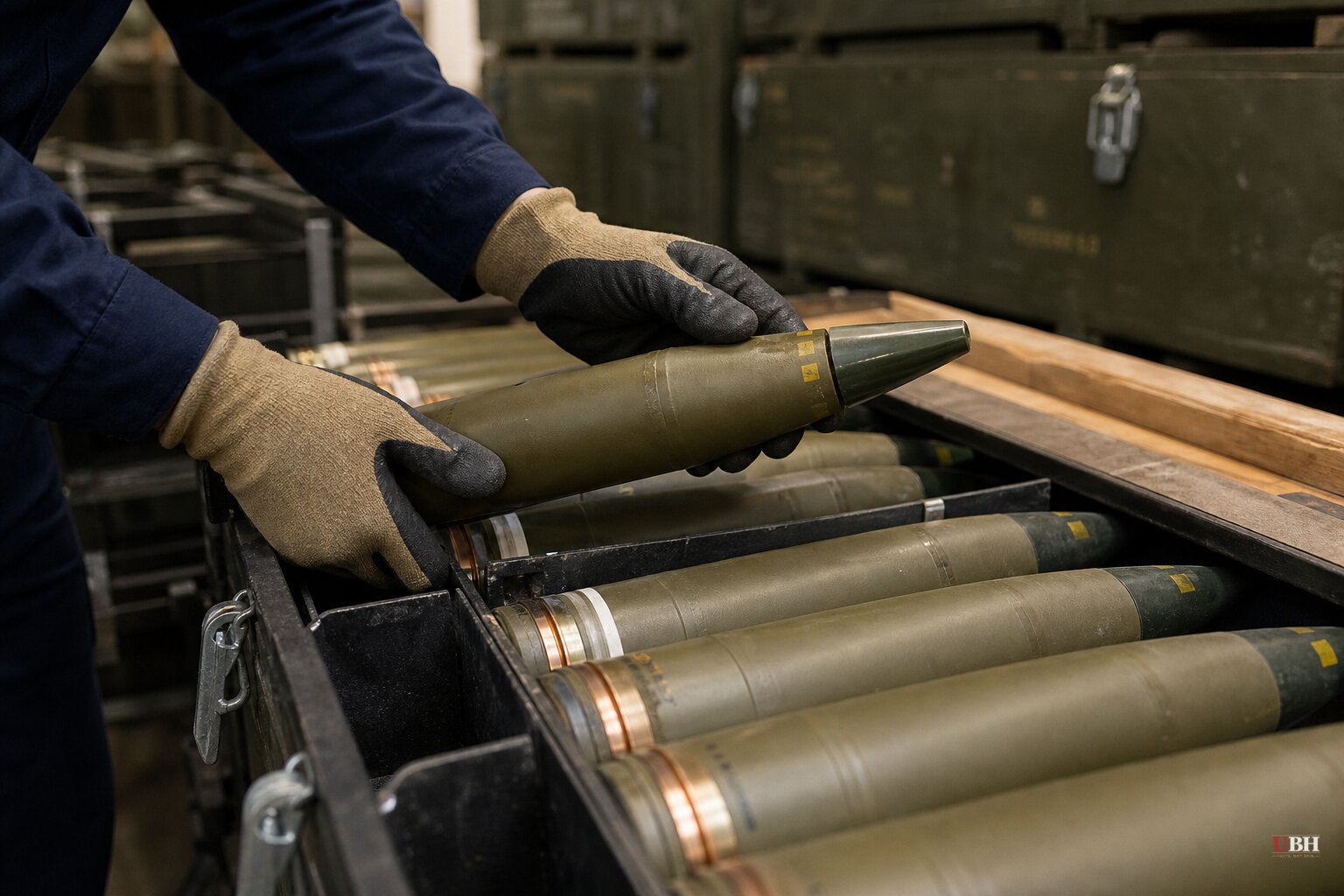
President Trump spent Thursday attacking his own critics over ammunition, while his vice president tried to explain what winning the Iran war actually looks like. Neither message fully lines up with what a former top intelligence official says is really at stake.
Trump: 'Virtually Unlimited' Ammo, 'Treasonous' Reporters
Trump posted Thursday that the United States has "virtually unlimited" amounts of ammunition and is producing munitions "at levels never seen before," according to Fox News. He called media outlets reporting shortages "treasonous," writing they "would rather see the United States LOSE a War that we're easily WINNING, than see me WIN."
Reuters reported on August 4 that the U.S. had used "virtually all" of its highly accurate long-range missiles up to that point in the war, citing multiple unnamed sources familiar with the matter. Fox News separately reported in early August that its own analysis pointed to significant drawdowns of Tomahawk missiles and Patriot interceptors, raising questions about U.S. readiness for a future conflict.
Trump first disputed the depletion claims on August 6, saying the U.S. had "massive amounts" of munitions without providing evidence. He's now escalated that fight, saying the "leakers" behind the reports are being "hunted down" and threatening "long term jail sentences." No charges or formal leak investigation have been announced in connection with those threats.
Neither side has put hard numbers on the table. Reuters' sourcing is anonymous and unverified independently here. Trump's counterclaim of "virtually unlimited" stockpiles comes with no inventory data attached either. Readers are left with two competing assertions and no public audit to settle it.
Trump also used the moment to blame the Biden administration, claiming it sent Ukraine more munitions than the U.S. has used fighting Iran, and said his administration would seek reimbursement from European allies for that past support.
Vance's Two-Item Checklist for 'Winning'
Hours later, Vice President J.D. Vance sat down with Will Cain on Fox News's The Will Cain Show and tried to answer how this actually ends.
Cain put it bluntly, noting the "seesaw nature" of the war. Close to a deal, then more bombing. The Strait of Hormuz open, then closed again.
Vance's answer boiled down to two goals: "Keep oil and gas cheap for Americans all over our country," and "ensure that Iran never gets a nuclear weapon," he said, according to Breitbart. He argued the administration is using diplomatic, military and economic tools "very selectively, very strategically" and noted oil prices are "way down from the highs in the early days of the conflict."
Vance also placed blame for the unpredictability squarely on Tehran, saying "the Iranians sometimes make commitments that they don't honor."
A Warning From a Former Intelligence Chief
Karen Gibson, the retired Army lieutenant general and former Deputy Director of National Intelligence, offered a more skeptical read on Bloomberg Thursday. She said that if Trump declares the war over, it will signal he has abandoned the war's original aims, specifically putting curbs on Iran's nuclear program.
Gibson also cautioned that declaring the war finished likely won't move Iran's blockade of the Strait of Hormuz on its own. That would only happen, she said, if the U.S. is also prepared to drop its broader economic pressure campaign against Iran. The administration hasn't signaled it's willing to make that trade-off.
That's a genuine tension in the administration's own framing. Vance says the goal is no Iranian nukes and cheap energy simultaneously. Gibson's point is that those two things may not be achievable at the same time. Ending the shooting war means easing the economic squeeze that's supposed to force Iran's hand on both fronts.
The Broader Political Backdrop
Separately Thursday, the House passed legislation 237-169 that would block federal funding for colleges and universities that boycott Israel, with 33 Democrats joining nearly all Republicans, according to Fox News. The bill now heads to the Senate. Fox News also reported that Iran fired at Kuwait, describing it as a "blatant" act of aggression, as tensions connected to the broader conflict continue to spread across the Gulf.
No independent, verifiable account of current U.S. munitions stockpiles has been made public by either side of the dispute. Neither Trump nor Vance has said what specific benchmark would define an actual end to the war beyond the two broad goals Vance named. The Senate's next move on the university funding bill and whether the Strait of Hormuz blockade eases will be the tests of whether either side's version of events holds up.
Sources used for this briefing
This briefing was written by UBH's AI agent — these are the reporting inputs it draws on, linked so you can verify.


