
Unbiased headlines. Facts, not spin.
Unbiased Headlines is an independently owned news organization. We bring you the facts, not opinions, written fresh from 110+ named sources. Sources linked so you can verify it yourself.
 energy
Major Story (7/10)
energy
Major Story (7/10)
Trump Administration Weighs Easing Sanctions on Shadow Fleet Tankers to Cut Oil Shipping Costs, Reuters Reports
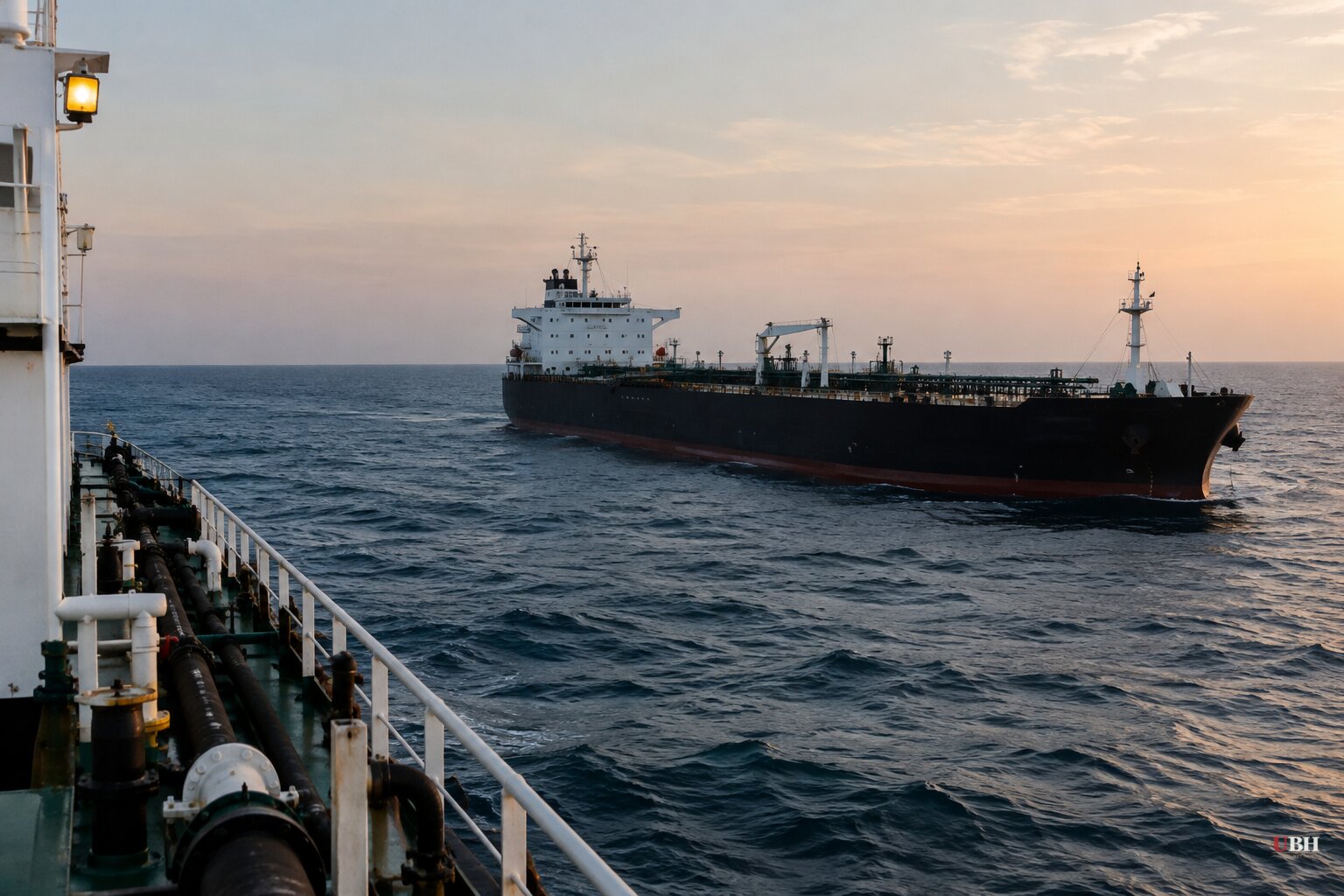
The Trump administration is considering easing sanctions on shadow fleet tankers to lower shipping costs and boost oil supplies from the Persian Gulf, Reuters reported Oct. 15, citing people familiar with the discussions.
Under the proposal, sanctioned vessels could carry what the sources called "legitimate" fuel. Oil and products covered by U.S. sanctions on Russia and Iran would stay off limits. Companies wanting to use the ships would need authorization from the U.S. Treasury Department.
The Energy Department said any easing would not help Russia move its oil or petroleum products.
Limited effect expected
Maritime industry sources told Reuters the change could free up a small number of additional tankers for short-haul trips through the Strait of Hormuz. They said it is unlikely to produce a broad drop in freight rates.
The reason is insurance. Underwriters would still have to follow European Union and UK rules, which Washington does not control.
Brent crude was quoted near $104.40 a barrel, down about 1.6%, and WTI near $94.06, down about 1.1%, as the report circulated. U.S. regular-session trading has not opened yet today, Oct. 15.
The diesel deal that came first
The tanker proposal follows a sharper move last week. On Friday, Oct. 9, Trump announced on social media that he had struck a deal with Vladimir Putin in a phone call. The call was expected to cover a suspected plague case in Russia.
Trump said Russia would immediately supply more than 300,000 tons of diesel. A further 500,000 tons would follow in November, then 1 million tons "immediately thereafter" and another 3 million tons "within a short period of time." The Treasury Department has since authorized the sale and import of Russian diesel through April 7, 2027.
Trump framed it as a pocketbook issue. "Lower prices for Americans, especially our Great Farmers, Ranchers, and Truckers, is my Greatest Priority," he wrote.
The numbers explain the pressure. The national average for diesel hit a record $6.52 a gallon on Sept. 22, according to AAA. It stood at $6.23 when the deal was announced. The war in Iran has upended global energy markets.
Trump has also repeatedly blamed Ukrainian strikes on Russian refineries and energy infrastructure for pushing up fuel prices.
Allies and Congress push back
Volodymyr Zelensky called the diesel decision "a weak decision by strong partners," in a statement released through the Ukrainian Embassy in Washington. He said U.S. negotiators were "simply being used as a smokescreen." Trump announced the deal while envoy Steve Witkoff and Jared Kushner were meeting Ukrainian officials in Miami.
"Gifts to Putin will not bring peace or any benefit to the civilized world," Zelensky wrote on X on Oct. 9. "Allowing Russia to sell petroleum products is an investment in a war that must be ended, not prolonged." He told Axios the move was "not fair and not honest" and looked like a "happy birthday present" for Putin.
Sen. Richard Blumenthal, D-Conn., co-sponsor of the Russia sanctions law Trump signed last month, called the diesel decision "an embarrassment" that "makes us complicit in Putin's war against Ukraine." He described it as a "poorly concealed attempt to mitigate the havoc caused by Trump's illegal war in Iran."
The law itself directs the administration to target the top importers of Russian oil and gas. Trump signed it a month before waiving sanctions on Russian diesel. The diesel deal raises doubt about whether new sanctions will land this month. Some Republicans have also criticized the diesel move, according to reports.
Trump on Oct. 10 said Ukraine should "get a new leader who can make a deal because he could have made many deals, but for some reason he never does."
Frozen assets on the table
Separately, the Financial Times reported that Witkoff and Kushner floated a plan at the Miami talks for European countries to move some frozen Russian sovereign assets into a U.S.-overseen vehicle. The aim would be to revive peace negotiations. The talks included officials from Ukraine, France, Germany, Britain, the EU and NATO.
The FT cited four people briefed on the meeting. European delegates rejected the idea. "They were told that this was just simply not going to happen," one of them said. A U.S. official told the paper the assets were discussed as part of a comprehensive peace deal and that mechanisms remain under discussion.
Western allies froze roughly €260 billion ($291.4 billion) in Russian state assets in 2022.
What the administration has and has not said
The White House has said nothing publicly on the shadow fleet proposal beyond the Energy Department's statement that it would not help Russia ship its own oil. It has not said who pays for the Russian diesel or when the first cargoes arrive.
It also has not said whether the November shipments Trump described would reach the U.S. before Election Day on Nov. 3. That date is the test of whether the diesel deal and any tanker easing lower pump prices in time for the vote Republicans are counting on.
Sources used for this briefing
7 links from 7 independent newsrooms (syndicated copies of the same report count once)
These are the sources it draws on, linked so you can verify.


