
Unbiased headlines. Facts, not spin.
Unbiased Headlines is an independently owned news organization. We bring you the facts, not opinions, written fresh from 110+ named sources. Sources linked so you can verify it yourself.
 energy
Major Story (7/10)
energy
Major Story (7/10)
Newcastle Coal Futures Close at Highest Since August 2024 as Asian Buyers Stockpile for Winter
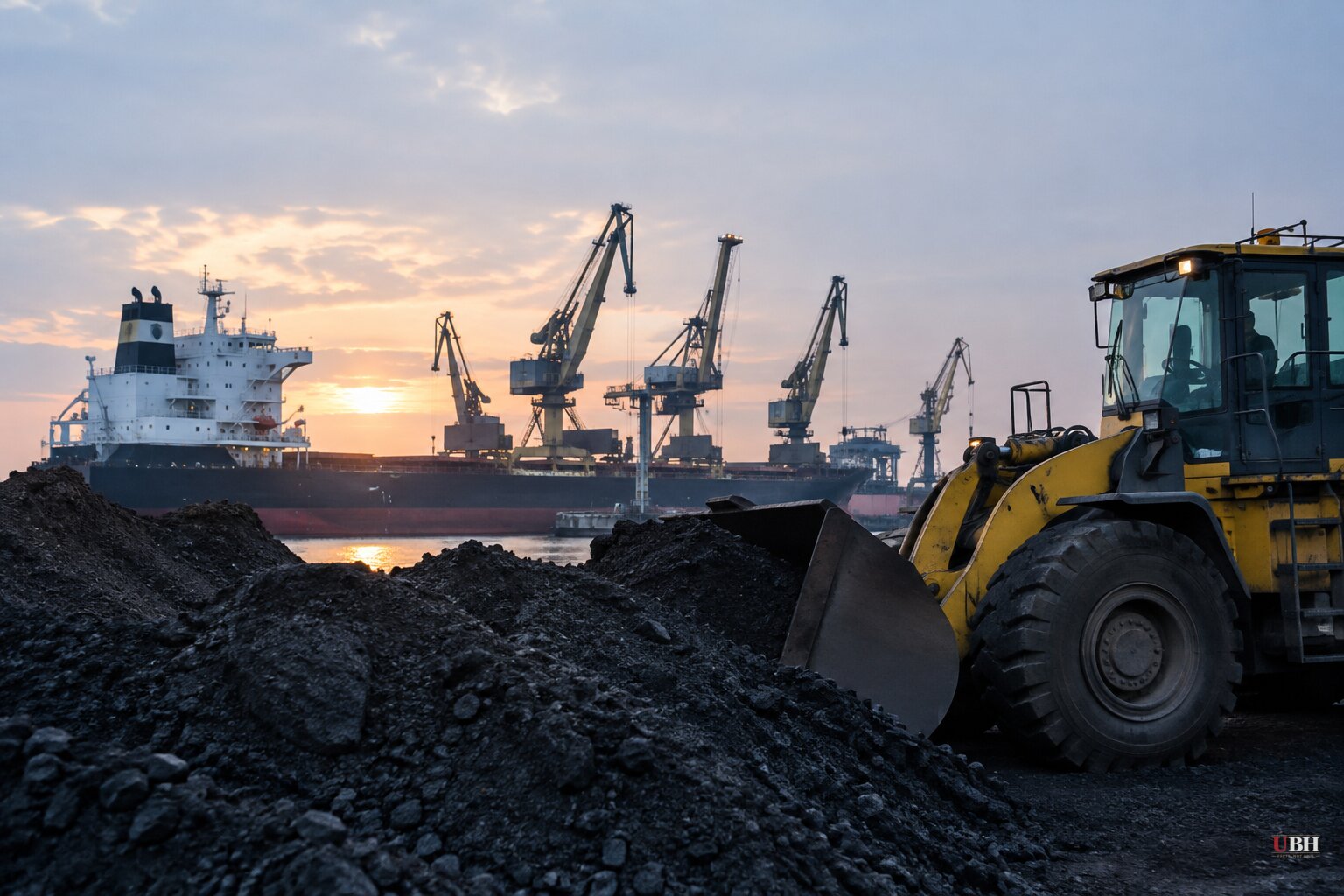
Since the Iran war and the Strait of Hormuz disruption cut Persian Gulf gas flows, Asian utilities have leaned harder on coal. On Tuesday, Oct. 13, Newcastle coal futures, the Asian benchmark, closed at their highest level since August 2024. They are up more than 40% this year.
The trigger now is winter. Power plants are stockpiling fuel for heating season, on top of demand that was already elevated and supply that was already tight.
The IEA reverses course
The International Energy Agency had expected global coal consumption to fall this year. It now forecasts a 1.2% increase to record levels. The reason is the Iran war, which sent oil and gas prices sharply higher and made power systems more dependent on coal.
Morgan Stanley analysts led by Amy Gower wrote in a note last week that the Middle East energy crisis has made "the long-term outlook for thermal coal demand more resilient." The bank raised its long-term Newcastle export price outlook by 4% to $125 a ton.
Supply is shrinking at the source
China mines and burns half the world's coal. Domestic output fell more than 3% in the first eight months of the year. A deadly accident in May in China's top mining region set off safety inspections and prolonged shutdowns. Thermal coal prices in China climbed to a three-year high this week.
Wood Mackenzie analyst Hangyu Li expects restarts to come slowly. "We expect more mines to gradually win approval to restart after about four months of suspension, but a quick rebound on production in the near-term is unlikely," Li wrote.
Indonesia, the biggest exporter, has its own problems. Government production quotas limit output. Drought has hurt the barge traffic that links mines to ports.
Oil costs are feeding back into the coal market as well. Diesel that powers pit equipment is at record cost, which has forced miners to raise their own prices. Coal is also replacing crude as a feedstock in industries such as chemicals.
Heat and drought add to demand
India shows how weather compounds the problem. Drought and scorching temperatures have cut hydropower, a substitute for coal, and driven up air-conditioning demand. Energy analyst Greg Molnár wrote on LinkedIn that India's coal-based generation rose more than 10%, or about 70 TWh.
Molnár's figures show gas-to-coal switching across the region since March. Pakistan, which got 98% of its LNG imports from Qatar in 2025, saw gas-fired generation fall more than 30% from a year earlier. Coal-fired generation rose more than 30%, which he said broadly offset the loss. He reported similar patterns in Bangladesh, Japan, South Korea and the Philippines. In China, gas-to-power demand fell more than 7% since March, driven by switching in coastal provinces most exposed to the global LNG market.
The objection: a stopgap with costs
Molnár argues the switch is not a durable answer. In his words, it "leads to higher carbon emissions and worsens Asia's air quality crisis." He says the episode shows the need for cost-competitive LNG that could reverse the shift, adding that "the gas and LNG industry can't afford an affordability issue."
The broader backdrop is that coal's reputation as the dirtiest fossil fuel has made it a prime target for output and usage cuts. Those efforts are being thwarted by demand tied to energy security.
Southeast Asia's exposure
The Energy for Growth Hub says Southeast Asia imports 60% of its crude oil from sources that must pass through the Strait of Hormuz. Most countries there hold very limited strategic stockpiles, unlike East Asian economies. The Association of Southeast Asian Nations estimated monthly import costs would rise by $3.36 billion.
Governments have cut workdays, canceled travel and limited air-conditioning in public buildings. The Hub says they avoided large-scale rationing for industry or households for fear of political turmoil. Indonesia announced an additional $28.4 billion to fund fossil fuel subsidies and compensate state-owned energy and utility companies. Five Southeast Asian governments, Indonesia, Malaysia, Vietnam, Thailand and the Philippines, spent $54.2 billion on fossil fuel subsidies in 2024 before the crisis.
What could cap the rally
The main forecast relief is weather. Above-normal temperatures are projected across Asia because of a record-breaking El Niño, which would ease heating demand. Cold snaps, slow Chinese mine restarts and Indonesian logistics problems point the other way.
Whether winter heating demand or El Niño warmth wins out will decide whether Newcastle prices keep climbing from here.
Sources used for this briefing
8 links from 7 independent newsrooms (syndicated copies of the same report count once)
These are the sources it draws on, linked so you can verify.


