
Unbiased headlines. Facts, not spin.
Unbiased Headlines is an independently owned news organization. We bring you the facts, not opinions, written fresh from 110+ named sources. Sources linked so you can verify it yourself.
 energy
Major Story (8/10)
Event date: October 7, 2026 ·
energy
Major Story (8/10)
Event date: October 7, 2026 ·
Meloni Calls Trump's Russian Diesel Deal 'Very Risky' as Senators Cite 2022 Import Ban
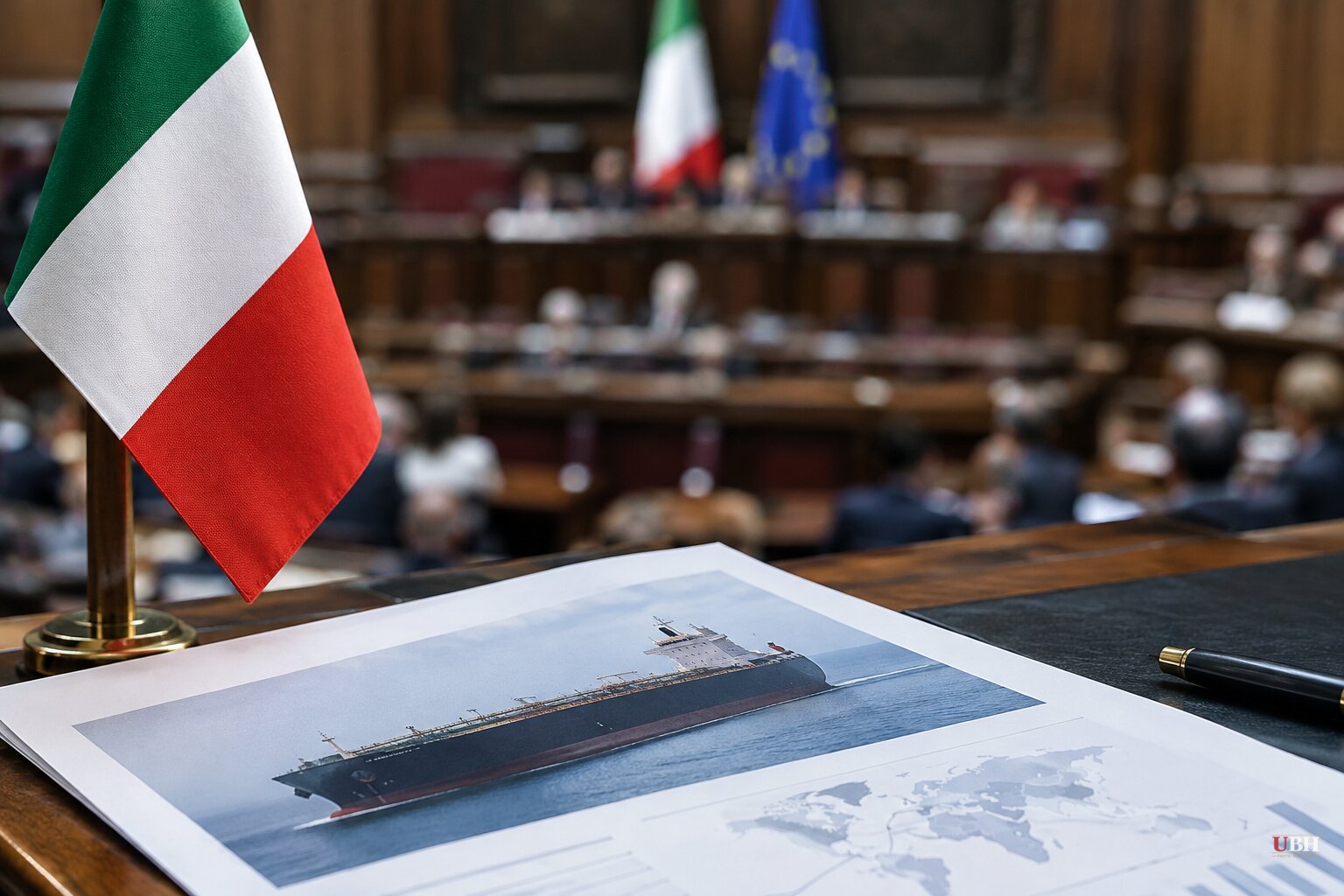
Since Trump and Putin announced last week that Russia would supply diesel to U.S. and global markets, the deal has drawn pushback from allies and from Congress. Today, Oct. 14, Italian Prime Minister Giorgia Meloni added the starkest criticism from a European leader yet.
What was agreed
The United States and Russia said they agreed Moscow would initially supply more than 300,000 metric tons of diesel to U.S. and global markets. The Treasury announced a "temporary general license to allow the supply of Russian diesel to the global market." CNN reports the arrangement suspends fuel export sanctions on Russia for six months, with sales at market prices.
The White House has not said when purchases would happen, at what price, or whether private companies or taxpayers would foot the bill.
Trump has defended the deal as a way to bring down energy prices for American consumers ahead of the midterms. He has also tied the issue to Ukraine's drone campaign. "Don't hit the refineries because that's a world problem that's caused and he wants to make problems for the world," Trump said of Volodymyr Zelensky, before calling for a new Ukrainian leader.
There is a wrinkle in the supply itself. Russia suspended all diesel exports earlier this month to cover domestic needs after Ukrainian strikes hit its refineries. Analysts cited by CNN doubt the deal will move U.S. diesel prices much, since the fuel trades on a global market.
Meloni's objection
Speaking in the Italian parliament ahead of the European Council summit, Meloni called it "a very risky choice."
"The outcome of this decision is uncertain, while the risks are clear," she said. "It provides Moscow with legitimacy as its bombs continue to fall on Ukrainian cities, generates new revenue to finance the war, and implicitly weakens the effectiveness of sanctions."
She did not dispute the price pain. "We all understand, and share, the need to contain energy prices that are weighing on families and businesses, including in Italy," Meloni said. But she argued the fuel spike stems "mainly" from the war in Iran, "and not" from the conflict in Ukraine.
Meloni was once regarded as a close Trump ally in Europe. AFP notes she has distanced herself since the U.S. and Israel launched the war against Iran.
She also said Moscow "has gained very little ground" since the start of the year, and called that stalemate "the only effective instrument we have" to bring Russia to serious talks.
Kyiv and Moscow respond
Zelensky, in London, thanked Meloni on X "for understanding who the aggressor is." He said it was "painful that President Trump chooses a different side," an apparent reference to alleged U.S. Starlink reluctance to share data on incoming Russian missiles. No U.S. official has been quoted confirming that allegation.
Earlier, Zelensky called the diesel deal a "weak decision by a strong partner" that provides "extra money for this war." Canadian Prime Minister Mark Carney told him the agreement stands "in direct opposition to the efforts of Ukraine, Canada, and our allies."
Russian Foreign Ministry spokeswoman Maria Zakharova responded to Meloni's remarks by telling Italian media: "It is none of her business."
The criticism came as Kyiv Mayor Vitali Klitschko reported fresh overnight Russian strikes on Ukrainian energy facilities. Zelensky accused Putin of "disrespecting" Trump's energy ceasefire.
The law question
The sharper fight is in Washington. Seven senators, three Democrats and four Republicans, issued a joint statement this week saying the deal "runs directly counter to" the Ending Importation of Russian Oil Act. That law passed the House 413-9 and the Senate unanimously, and was signed April 8, 2022.
Sen. Thom Tillis, R-N.C., one of the signers, said Sunday there is "a legitimate case for saying the president's not following the law."
The law bans Russian energy products, diesel included. Lifting the ban requires the president to tell Congress that Russia has agreed to withdraw its forces and cease hostilities in Ukraine, followed by a 90-day waiting period in which Congress can block the change.
Reason magazine argues the deal fails that test on every count. It says Russia has not withdrawn, and that the White House has not followed the notification and waiting-period process. It also argues the deal conflicts with a second law, the Lindsey O. Graham Sanctioning Russia and Iran Act, which authorizes tariffs of up to 100 percent on countries that buy Russian crude oil and natural gas.
No court challenge, investigation, or formal White House legal justification has been announced. The administration's stated rationale is lower fuel prices. The Treasury license is the mechanism it has put forward.
Europe's own agenda
Meloni used the same speech to press for a single EU voice in Ukraine negotiations. She said that if France, Germany and Britain, the E3, believe they can do better alone, they should at least act "on behalf of everyone and with an official mandate." She called on the 27 members to name a respected figure to represent Europe, and said Italy was open to other solutions if no name is agreed.
The European Council meets Thursday and Friday in Brussels. Whether leaders answer Meloni's call for a mandated negotiator, and whether the seven senators move from a statement to action in Congress, are the next open questions.
Sources used for this briefing
8 links from 8 independent newsrooms (syndicated copies of the same report count once)
These are the sources it draws on, linked so you can verify.


