
Unbiased headlines. Facts, not spin.
Unbiased Headlines is an independently owned news organization. We bring you the facts, not opinions, written fresh from 110+ named sources. Sources linked so you can verify it yourself.
 energy
Major Story (8/10)
Event date: October 7, 2026 ·
energy
Major Story (8/10)
Event date: October 7, 2026 ·
IEA Says Diesel Will Stay Tight Into 2027 as Chevron and Aramco CEOs Say Oil Buffers Are Drained
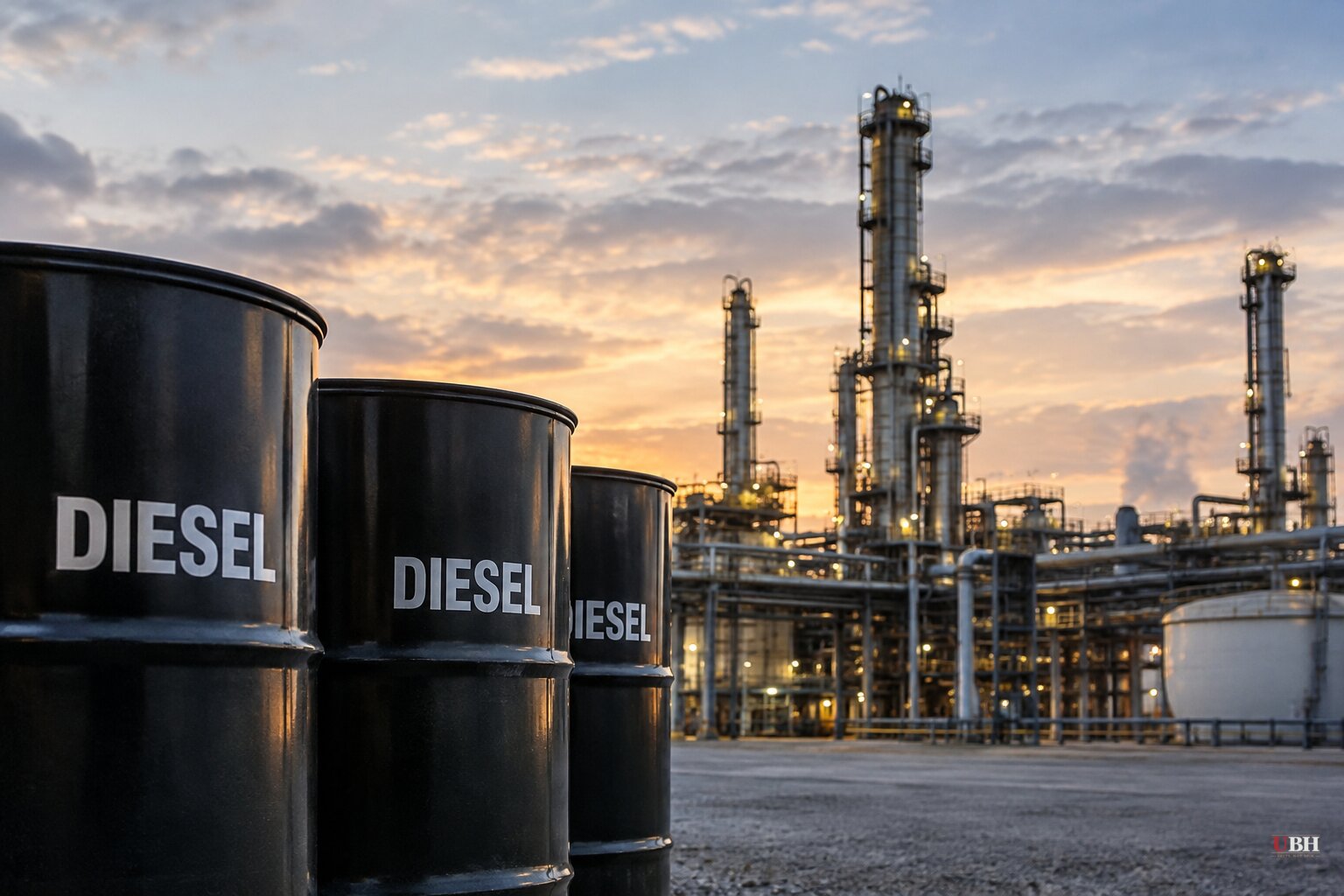
Since the U.S. and Israel launched the Iran war in late February, diesel has been the fuel hit hardest. The U.S. average hit a record $6.53 a gallon on Sept. 22, according to AAA data, up from about $3.76 before the war. California's statewide average has topped $8.
The International Energy Agency's October Oil Market Report, released Wednesday, Oct. 14, says relief is not close.
IEA: no stock rebuild before late 2027
"The gasoil market balance will remain tight well into 2027 and is dependent on a recovery of product supply from the Middle East," the agency wrote. "Failing this, further demand reductions and the heavy economic costs these will entail may be needed to balance markets."
The IEA said global gasoil markets tightened counter-seasonally in the third quarter because of prolonged disruptions to Middle Eastern and Russian exports. That followed much heavier-than-normal inventory draws in the second quarter. The result, in the agency's words, is that markets lack "crucial stock cover ahead of the peak winter demand season."
Even with a rapid recovery in refinery runs into year-end, the IEA said gasoil supply falls short of demand in the fourth quarter. It added that replenishing lost inventories, beyond normal seasonal swings, "is unlikely before 2H27."
The agency expects global oil supply to fall by an average of 5.8 million barrels a day this year, to 100.7 million. It sees the market staying in deficit through year-end. High prices are forecast to cut global demand by 2.6 million barrels a day in 2026, with diesel making up about a quarter of that drop.
Benchmark diesel has eased from September's records above $200 a barrel. It still sits at nearly double both crude prices and its pre-crisis level.
Oil executives: the cushion is gone
Chevron CEO Mike Wirth laid out the same problem in an Oct. 7 interview on CNBC's Squawk Box Europe. The world entered 2026 with high commercial stocks, high government strategic stocks and large volumes of sanctioned barrels on the water, he said.
"Those are all buffers in the system that have bought us time, but they've been drained," Wirth said. "We're at much lower levels of inventory right now and it makes the system more vulnerable to disruption." He called the situation "very serious."
Saudi Aramco CEO Amin Nasser put numbers on it a day earlier at the Energy Intelligence Forum in London. He said the world began the crisis with almost 10 billion barrels of stocks. Since then, nearly 3 billion barrels of gross supply have been lost and more than 1 billion barrels pulled from inventories.
"Less than 6 billion barrels of commercial inventories remain today, with the vast majority not practically available, so the system is already straining," Nasser said. He put the practically usable share at 10% or less, since some oil is needed to keep pipelines and terminals running.
Nasser said the 100 million barrels of emergency crude and diesel the G7 agreed to release will not solve the problem. "Emergency reserves might buy us a winter. They cannot fix long-term supply," he said. He estimated that rebuilding stocks while meeting normal consumption could take up to two years.
Both men run oil companies with their own commercial interests. Their figures are company estimates, not government data. The IEA's conclusions point the same direction.
The export ban fight
The inventory warnings landed in the middle of a policy argument. On Sept. 27, President Trump told a Fox News reporter, "We're thinking about it very seriously" when asked about a U.S. diesel export ban. He acknowledged it could push gasoline prices up.
Wirth said that would be a mistake. "Export bans, be they in the U.S. or in other countries, actually take supply off the global market and they run the risk of making the situation worse," he said. He added that the U.S. "has been a reliable supplier to the world at a time when it needs it," and that creating doubts among allies would be "unwise." Refiners have separately warned that a ban could force plants to cut output and tighten domestic supply.
Trump has since cooled on the idea after the G7 agreed to the emergency release. On Monday, Oct. 5, he signed an executive order letting truckers and farmers run on red-dyed diesel, which is exempt from the 24.4-cent-per-gallon highway tax. The order also defers related taxes through the end of the year.
Governments elsewhere are cutting fuel taxes, subsidizing consumers and drawing down strategic reserves. The IEA's own report suggests those steps cushion the shock but do not close the gap.
There is some better news on flows. Gulf oil flows, excluding Iran, were averaging about 81% of pre-war levels, and rising Middle East crude exports have helped ease the worst supply fears. CNBC reported that energy markets remain on edge as Saudi Arabia and Iran-backed Houthi forces exchange attacks.
Nasser's point is that flows are not stocks. Barrels moving again does not refill tanks that were emptied. He also argued that without Saudi Arabia's East-West pipeline, which bypasses the Strait of Hormuz, Brent could have reached $200 a barrel.
The politics are already live. An AP-NORC poll published Oct. 1 found Americans disapprove of Trump's handling of the Iran war and blame him for higher prices. The midterms are Nov. 3, less than three weeks away.
The tax deferral expires at year-end, and winter demand arrives before any stock rebuild. The IEA says that if Middle East product supply does not recover, the market will have to balance through lower consumption.
Sources used for this briefing
7 links from 5 independent newsrooms (syndicated copies of the same report count once)
These are the sources it draws on, linked so you can verify.


