
Unbiased headlines. Facts, not spin.
Unbiased Headlines is an independently owned news organization. We bring you the facts, not opinions, written fresh from 110+ named sources. Sources linked so you can verify it yourself.
 economy
Major Story (7/10)
Event date: October 20, 2026 ·
Treasury Moving to Hire Private Collectors for Defaulted Student Loans, Sources Tell Washington Sun
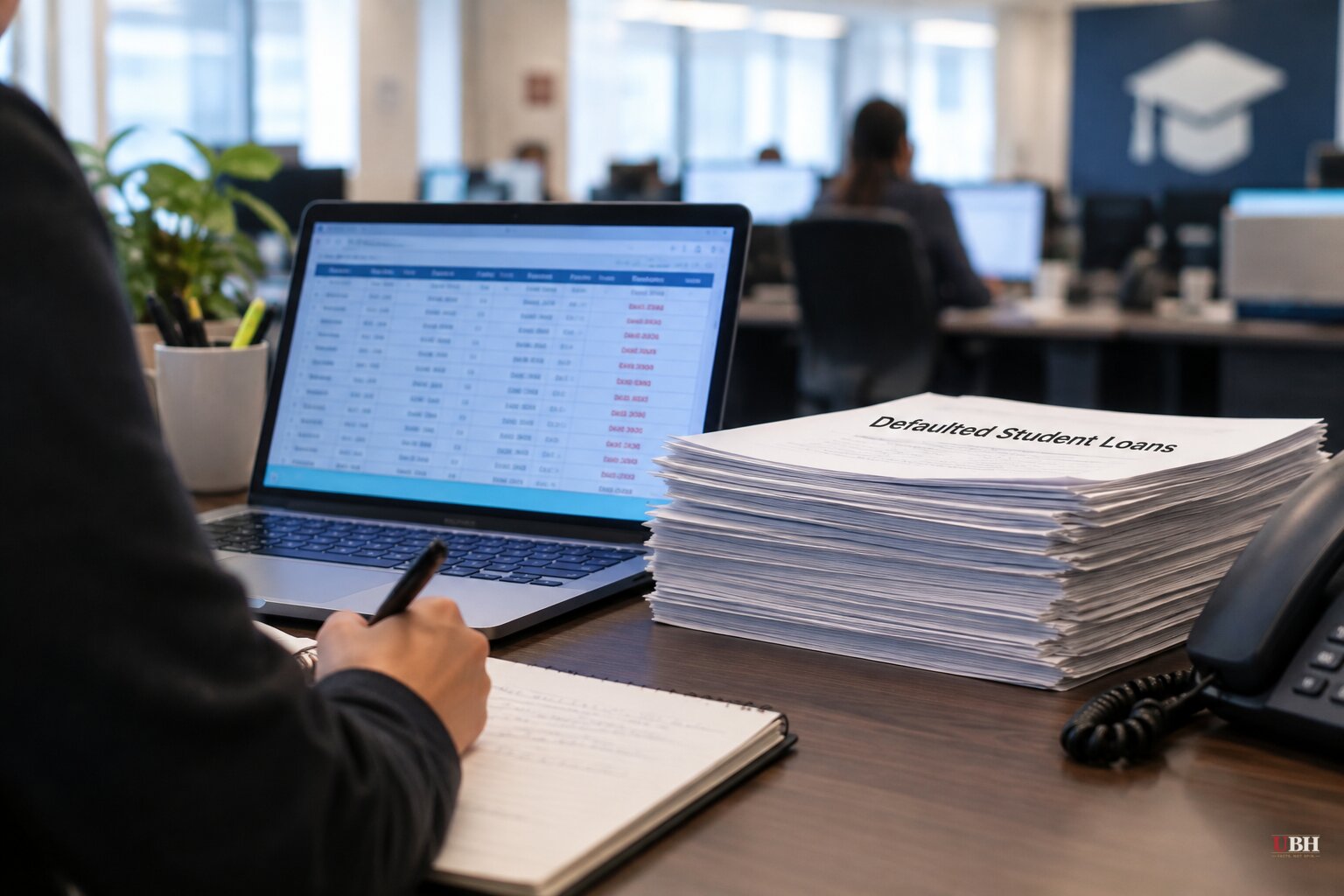
The Treasury Department is moving toward hiring private debt collectors to pursue defaulted federal student loans, possibly as soon as November, according to five people familiar with the matter who spoke to The Washington Sun. The report was published Monday, Oct. 19.
Three of those sources said the plans are unlikely to be announced before the midterm elections. Treasury and the White House Office of Management and Budget declined to comment. The Education Department said it does not "respond to fishing expeditions."
None of this is official policy yet. It is what the sources say is being prepared.
The numbers
Treasury's own Sept. 30 release put the default picture in two buckets: more than 5 million borrowers who have been in default for over six years, and another 5 million who entered default in less than a year. That is nearly 10 million people in a $1.7 trillion federal portfolio.
The Center for American Progress counts 9.5 million defaulted borrowers, or 1 in 5. The group ties the surge to the One Big Beautiful Bill Act, which eliminated the SAVE repayment plan and forced borrowers into the Repayment Assistance Plan. CAP puts the average annual cost under that plan at $2,163 per borrower.
What collection would look like
The tools are not new. The National Consumer Law Center notes that the government can garnish up to 15% of a defaulted borrower's wages without a court order after providing at least 30 days' notice. It can also intercept tax refunds and offset up to 15% of Social Security retirement or disability benefits, as long as the remaining monthly benefit does not fall below $750.
The sources told the Sun that some officials want collections tied to the current tax year, which ends with the April 15, 2027 filing deadline. They cautioned that the date could slip again.
A plan that keeps getting shelved
The administration announced on April 22, 2025 that it would resume collections after the pandemic-era pause, including measures like tax refund offset and wage garnishment. The Education Department said it would begin garnishing wages in January, with up to 15% of after-tax income at stake. Instead, the department paused both wage garnishment and Treasury Offset Program collections, including refund seizures.
Under Secretary of Education Nicholas Kent said the tools "will function more efficiently and fairly" after reforms. The department said it had collected roughly $500 million from defaulted borrowers before the pause.
The Sun's sources also described an earlier fight inside the government. Last year, OMB began helping the Education Department prepare to seize wages and federal benefits from defaulters. Treasury officials blocked it, citing the economic cost of punitive measures against workers. The sources said Treasury prefers steering borrowers toward voluntary repayment.
Matt Chingos, a Treasury official and former Senate Republican staffer, is leading the effort, according to the report. The department launched its Defaulted Loans Support Center on Sept. 30, an online portal where borrowers can apply to rehabilitate or consolidate a defaulted loan. Some officials want to confirm the portal works before collections start.
The politics
The sources were blunt about timing. "It would be politically insane to do this before the midterms," one told the Sun, adding that 2027 "probably makes a little more sense to give Treasury time to get contracts signed, up and running."
Staff also warned senior officials about who would be hit. "This is not who you think it is. The demographics are not good for us," a source said, according to the report.
The data points that way. An Associated Press analysis in July found the states with the highest student loan default rates were overwhelmingly Republican-leaning, led by Mississippi, Louisiana and Alabama. Protect Borrowers found earlier this year that roughly two-thirds of defaulted borrowers live in states Trump won in 2024.
The taxpayer side
The case for collecting is a money case. Marc Goldwein of the Committee for a Responsible Federal Budget estimated the delay has cost taxpayers about $5 billion so far. These are loans the government made with public money, and borrowers agreed to repay them.
Borrower advocates see it differently. Michael Pierce, executive director of Protect Borrowers, said Treasury may lack the data needed to certify the debts for collection, which is a legal prerequisite.
Michael Ryan, a finance expert who spoke to Newsweek, warned of a "domino effect" in which a garnished paycheck leaves households unable to cover rent, groceries or car payments. A Student Debt Crisis Center survey found 65% of respondents had cut back on food, housing or healthcare to afford loan payments, and 92% said they plan to vote in November.
Borrowers do get notice. Federal rules generally require advance warning, which gives people a window to contest the debt or get out of default.
What to watch
The first concrete marker would be a Treasury move to hire private collection agencies, which the sources say could come as early as November. Whether Treasury can certify the underlying debts is a separate question that advocates have raised.
Sources used for this briefing
7 links from 6 independent newsrooms (syndicated copies of the same report count once)
These are the sources it draws on, linked so you can verify.


