
Unbiased headlines. Facts, not spin.
Unbiased Headlines is an independently owned news organization. We bring you the facts, not opinions, written fresh from 110+ named sources. Sources linked so you can verify it yourself.
 economy
Notable (6/10)
Treasury Flags $270 Million in Suspicious Transactions Tied to Possible Student Aid Fraud
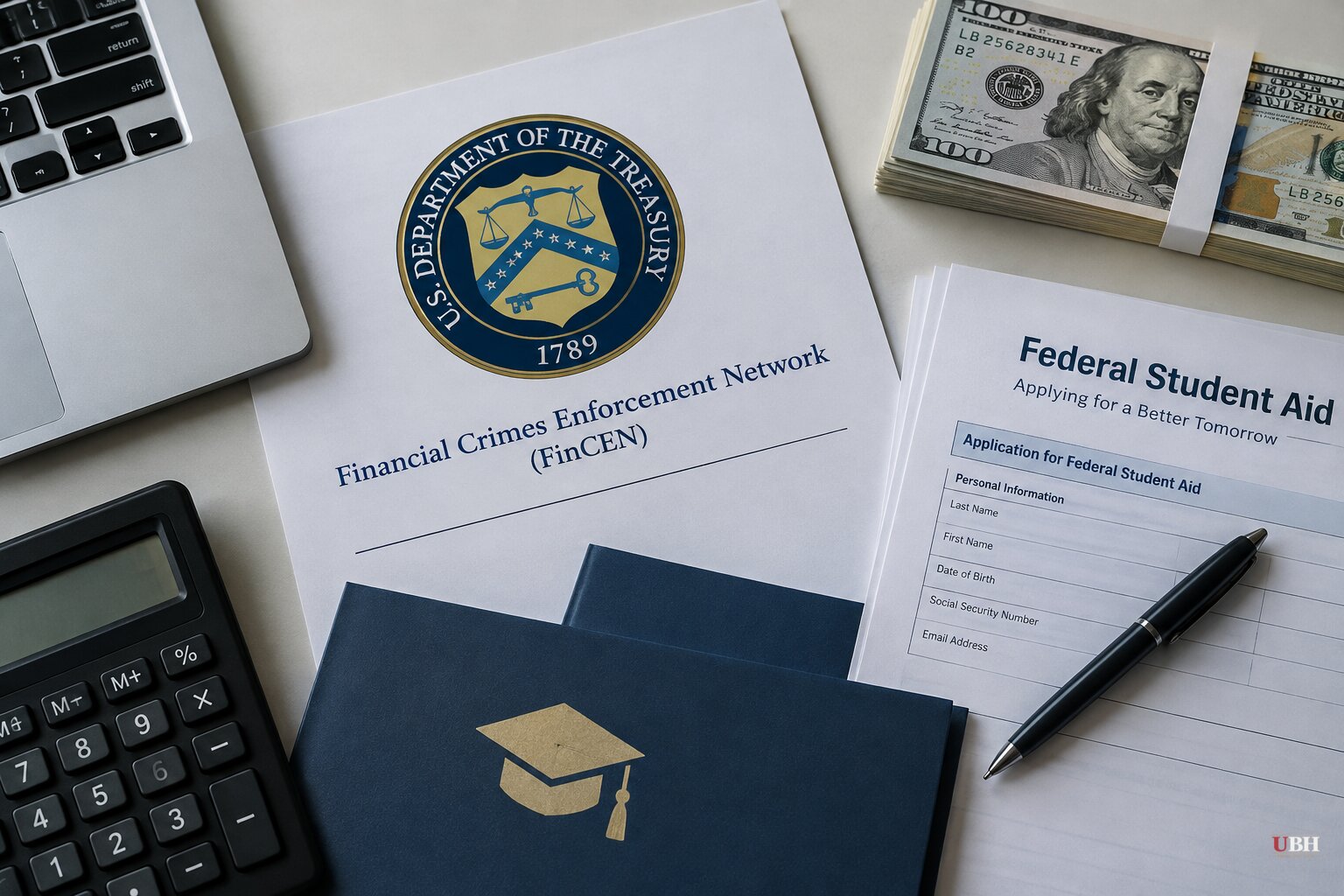
The Treasury Department said today, Oct. 19, that its Financial Crimes Enforcement Network (FinCEN) has identified about $270 million in suspicious financial activity potentially linked to fraud against federal student aid programs.
FinCEN has referred the findings to federal investigators "to pursue potential fraud schemes targeting federal student aid programs and help ensure those responsible are held accountable," Treasury said.
The activity is flagged, not proven theft. Treasury's own wording is "potentially."
What the numbers show
FinCEN issued an alert to financial institutions in July about fraud schemes aimed at federal student aid refunds. Since then, banks have filed nearly 100 suspicious activity reports on possible student aid fraud, Treasury said.
A FinCEN review found more than 20,000 potentially suspicious transactions dating back to February 2026. Together they total roughly $270 million.
Treasury says those figures reflect only what financial institutions reported and do not capture the full scope of student aid fraud. FinCEN passed the information to law enforcement as tip-and-lead material for possible investigations.
No charges have been announced. Treasury has not said which agency took the referrals or how much of the $270 million is confirmed fraud.
How the schemes work
FinCEN's alert describes "ghost student" schemes. Fraud rings take stolen names and Social Security numbers, enroll fake students at colleges and universities, and collect the aid refunds.
Schools and payment contractors typically issue those refunds electronically. The alert said transaction descriptions often include the word "refund" plus the school's name or initials, which gives banks something to search for.
The money then moves through money mules, shell companies and fraudulent bank accounts to hide where it came from, according to the alert.
FinCEN also warned that fake enrollments hurt real students. Phantom enrollees can make it harder for legitimate applicants to get into classes.
A second approach is the "straw student" scheme, in which rings pay real people for their personal information, enroll them and keep the refunds. The recruited individual is left with the academic record. Officials say corrupt school employees sometimes help by altering records or recruiting participants.
Victims often have no idea aid was disbursed in their name. Minors are especially exposed because few monitor their credit or federal benefit status until years later.
The administration's framing
Treasury Secretary Scott Bessent said in a statement ahead of the public release: "Federal student aid is intended to expand educational opportunities, not line the pockets of fraudsters who steal from students pursuing their education and hardworking taxpayers."
He added: "The Trump administration will not tolerate criminals who exploit government programs for personal gain. Treasury is working with financial institutions and law enforcement to identify these fraud schemes, recover stolen funds, and hold those responsible accountable."
In a social media post Saturday, Bessent said Treasury returned $175 million in payments over the past year that would have gone to deceased individuals. He said Do Not Pay access has expanded to 99 percent of federal programs. He also said Treasury now accepts confidential whistleblower tips and offers cash rewards.
Treasury is coordinating with the White House Task Force to Eliminate Fraud, led by Vice President JD Vance. That task force previously reported $22.2 billion in suspected pandemic-era loan fraud.
The student aid system moves billions of dollars through thousands of schools, and this scheme depends on that volume. Refunds are issued electronically and fast. A fake enrollment that clears a school's intake process can turn into cash before anyone looks twice.
That puts the first checkpoint at the school, not the bank. By Treasury's own account, some of the help comes from inside schools. The bank-side reports are catching the money after it has already left.
The $270 million also carries a caveat Treasury itself supplies. It is a count of suspicious activity, and some flagged transactions may turn out to be legitimate. Treasury also says the real total is higher than what banks reported. Neither the low end nor the high end has been tested in court.
The administration's recent higher education rule, which ties federal student loan eligibility to graduates' earnings, is a separate policy. No source links it to these fraud findings.
What comes next
The referrals now sit with federal investigators. Treasury has not said whether prosecutions are expected, which schools or payment contractors appear in the flagged transactions, or how much the government expects to recover.
Those answers will determine whether a $270 million flag becomes a set of indictments or stays a list of suspicious transactions.
Sources used for this briefing
7 links from 7 independent newsrooms (syndicated copies of the same report count once)
These are the sources it draws on, linked so you can verify.


