
Original briefings. Zero spin.
Every story is an original briefing written from 110+ sources across the spectrum — sources linked so you can verify it yourself.
 energy
Major Story (8/10)
Event date: September 3, 2026
energy
Major Story (8/10)
Event date: September 3, 2026
Treasury Blacklists Dubai Bank as Iran's Rial Collapses, But 40 Million Barrels Still Dodge the Blockade
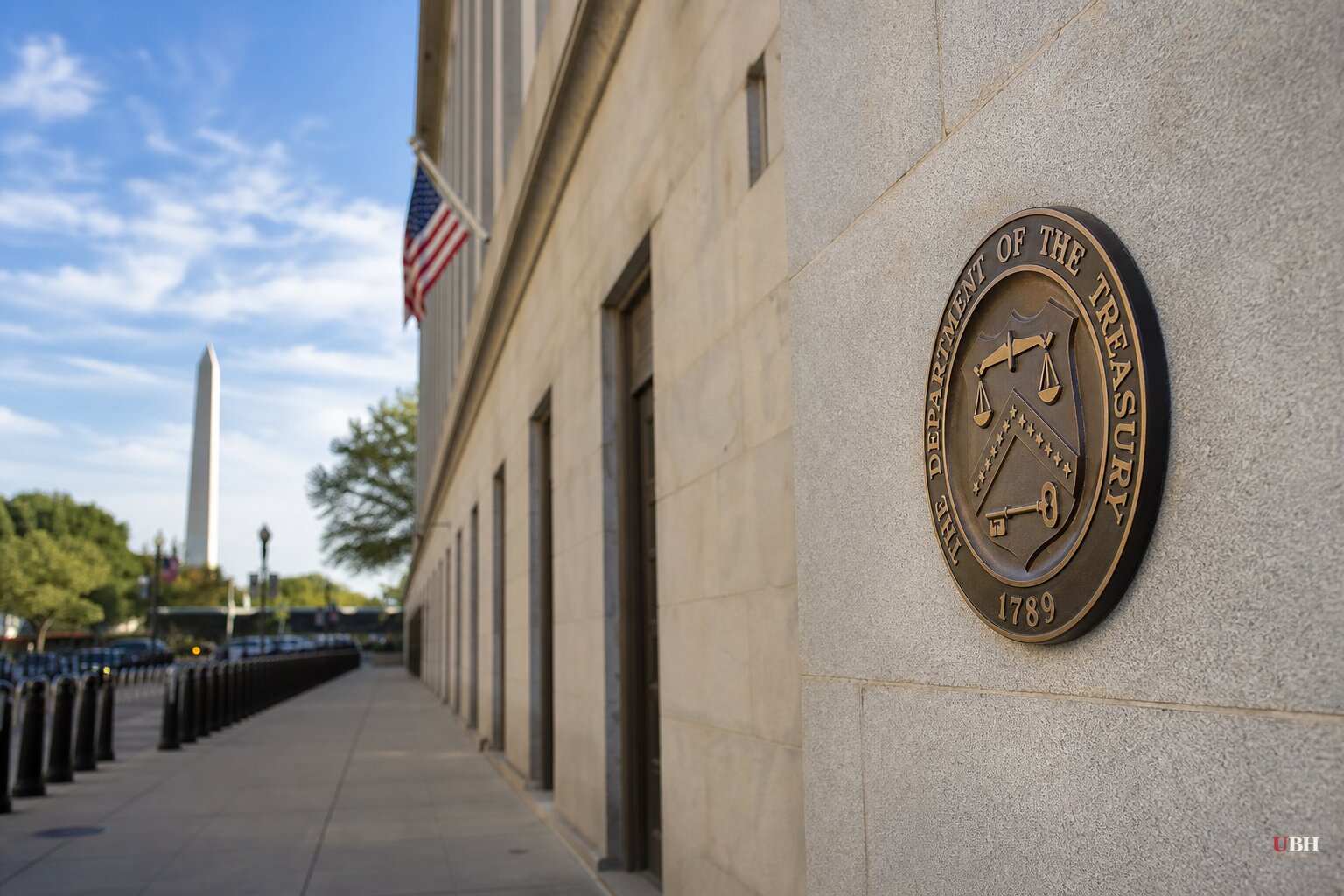
Since Treasury Secretary Scott Bessent launched Operation Economic Outcast earlier this week, promising a "zero-leakage approach" to cutting off Tehran's money, Washington has moved from threats to action. On Friday, Treasury proposed cutting Banque Misr UAE off from correspondent access to U.S. banks, calling the Dubai-based lender a "critical node" keeping Iranian financial networks connected to the dollar system, according to Breitbart.
Treasury says Banque Misr UAE processed roughly $1.8 billion over two and a half years for 103 companies potentially tied to Iranian shadow-banking networks, including alleged fronts linked to the Islamic Revolutionary Guard Corps and Iran's defense establishment. "Banque Misr UAE decided to find out the hard way," Bessent said, calling it "the first step in holding it accountable." Treasury also hit the manager of Iran's Bank Melli branch in Dubai and a Hong Kong facilitator the same day.
The Numbers Behind Tehran's Squeeze
The pressure is showing up in Iran's own data. Reuters reported, citing three senior Iranian sources, that Tehran has few remaining channels to secure foreign currency or buy goods, and that U.S. efforts to sever Iran's access to international financing networks pose "a real and urgent threat." One of those sources told Reuters that Iran has only about two months of gasoline supplies left, despite being an oil producer, because its refining capacity can't meet domestic demand.
Iranian crude loadings have fallen to roughly 260,000 barrels per day this month, down from about 1.7 million bpd a year ago, according to Kpler data cited by Reuters and repeated by Modern Diplomacy and Punch Nigeria. The rial has collapsed from about 1 million to the dollar a year ago to more than 2.2 million now. Official 12-month inflation sits at 69.9%, with food and beverage prices running nearly double that rate.
President Masoud Pezeshkian confirmed the damage himself in a televised interview Friday, saying Iranian trade has fallen 25 to 35 percent under the blockade and sanctions, with imports hit hardest. "The route is now blocked, and goods are not coming in," he said, according to Breitbart. His government is reportedly weighing doubling the price of gasoline purchased beyond subsidized quotas.
The Hole in the Blockade
Fox News reported that nearly 40 million barrels of Iranian crude, roughly 20 very large crude carrier loads, are sitting on tankers in waters near Malaysia, east of Singapore, entirely outside the reach of the U.S. Navy's blockade at the Strait of Hormuz. Reuters puts Iran's total floating storage at around 80 million barrels, with roughly half parked near Malaysia. Max Meizlish, a former Treasury sanctions official now at the Foundation for Defense of Democracies, told Fox News Digital that "the blockade as it's currently being practiced and enforced against isn't really stopping the flow of Iranian oil that's already past the blockade line."
Iran insists it has already adapted. OilPrice.com reported that Tehran says it has found ways to dodge the U.S. oil blockade altogether, using ship-to-ship transfers to move crude that's already past the enforcement zone. A blockade that stops new exports but leaves 80 million barrels of existing inventory available to sell isn't total isolation. Whether Iran can actually find buyers willing to take on that oil at a discount, given the sanctions risk now attached to any intermediary, remains unclear. Reuters reported that sanctions-evasion middlemen are already demanding higher premiums as their own networks get squeezed, which cuts against Iran's ability to move that stockpile quickly.
China's imports of Iranian crude illustrate the trend: they've fallen to an estimated 534,000 barrels per day so far this month, down from roughly 823,000 bpd in July, according to provisional Kpler data reported by Reuters. Brent crude climbed to $97 a barrel on Thursday before retreating to $95.50, Punch Nigeria reported, as markets weigh how much Iranian supply is actually leaving the market permanently versus sitting in floating limbo.
What's Actually at Stake
Ali Ansari, a modern history professor at St Andrews University, told Reuters that Iran's leadership is "under very, very severe economic pressure" and "losing control of the Straits," adding, "it's really a question of if they choose to negotiate and I think they'll have to." Iran International flagged a separate and concrete deadline: if Britain backs the current U.S. plan, Iran's London-based bank is set to shut down on October 22.
CENTCOM commander Adm. Brad Cooper said Thursday that U.S. forces cleared Iranian mines from Hormuz shipping lanes and that nearly 1,500 vessels carrying roughly 750 million barrels of non-Iranian oil have moved through the strait even as Iran has exported nothing from its own shores since the blockade resumed in mid-July, according to Breitbart's CENTCOM figures. The next test isn't whether Tehran can survive on paper. It's whether Treasury moves against whoever ends up buying that 40-million-barrel stockpile sitting off Malaysia, and whether Iran can find a buyer at all before the money runs out.
Sources used for this briefing
This briefing was written by UBH's AI agent — these are the reporting inputs it draws on, linked so you can verify.


