
Original briefings. Zero spin.
Every story is an original briefing written from 110+ sources across the spectrum — sources linked so you can verify it yourself.
 energy
Major Story (8/10)
September 4, 2026 at 05:58 PM
energy
Major Story (8/10)
September 4, 2026 at 05:58 PM
Federal Judge Blocks EPA's Bid to Strip California's Emissions Waiver Power, At Least For Now
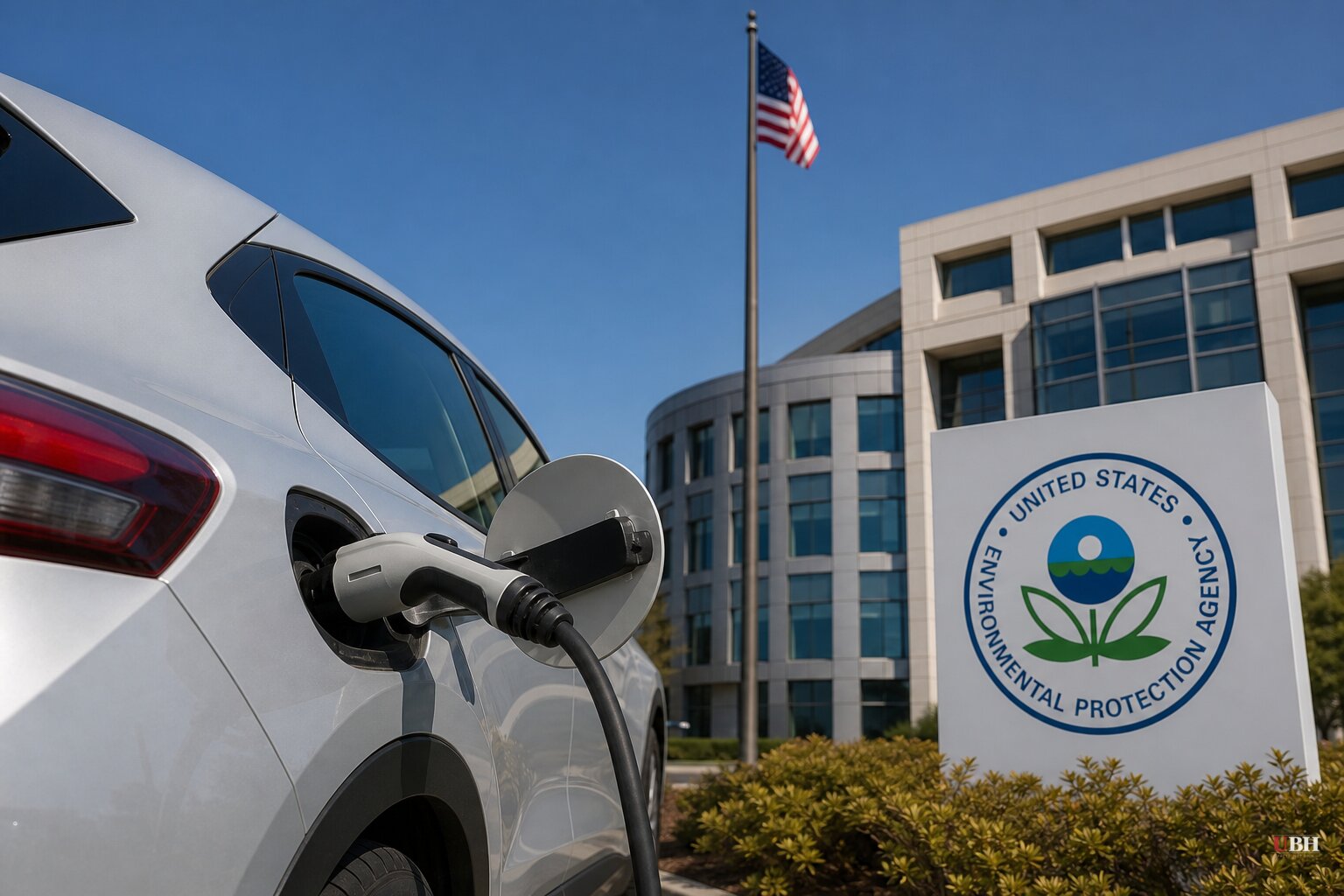
Since the EPA announced in June that four of California's long-standing Clean Air Act preemption waivers would be treated as congressional 'rules' subject to override, a federal judge has now blocked that specific maneuver, at least temporarily.
U.S. District Judge Beryl A. Howell granted California's request for a preliminary injunction on Wednesday, ordering the EPA to restore the status quo that existed before its June reclassification, according to Inside Climate News. The ruling doesn't settle the underlying lawsuit, which California Attorney General Rob Bonta, Gov. Gavin Newsom and the California Air Resources Board filed in late June in the U.S. District Court for the District of Columbia. It just stops EPA Administrator Lee Zeldin from going further while the case plays out.
Zeldin's argument: the waivers, some issued more than 15 years ago, were never submitted for review under the Congressional Review Act, and that was a legal error by prior administrations. The EPA has granted California more than 100 such waivers since the Clean Air Act became law over 60 years ago, none previously classified as reviewable rules, per Inside Climate News. Zeldin's office reclassified two additional boat-emissions waivers shortly after California sued, prompting the state to expand its challenge.
Judge Howell wasn't impressed. "EPA's action in reclassifying prior waiver orders to now treat those waivers as 'rules' is a slippery slope in the use of the [Congressional Review Act]," she wrote. "Such gamesmanship may seem like a clever policy move, but undermines honest compliance with the law, which is what Americans should expect from executive branch agencies."
One Battle in a Bigger War
This court fight is separate from, but sits alongside, a much broader campaign. Last year the Trump administration formally revoked California's authority to set vehicle emissions standards stricter than federal rules, an authority the state has held since the 1960s, according to the Los Angeles Times. The White House also killed California's zero-emission vehicle sales targets and repealed the federal government's 2009 finding that greenhouse gases endanger public health, the legal foundation for regulating tailpipe emissions under the Clean Air Act.
On top of that, the $7,500 federal EV tax credit ended in September 2025. National EV sales dropped sharply afterward and haven't fully recovered, per the Los Angeles Times.
President Trump has said California's rules drive up costs and limit consumer choice for buyers who don't want an EV. That's the administration's stated rationale, and it's consistent with the deregulatory logic behind a separate move. On August 28, the National Highway Traffic Safety Administration announced it will stop regulating the fuel economy of stand-alone truck engines, arguing its authority only extends to whole vehicles. NHTSA Administrator Jonathan Morrison said the agency is "getting out of the way so manufacturers can decide how they want to meet fuel-efficiency requirements," according to Autoweek. The Truck and Engine Manufacturers Association backed the change, saying engine-only standards "considerably restrict engine and vehicle specification choices."
California Is Holding, Not Winning
Despite the federal pressure, California hasn't collapsed on EVs. About 19% of new car sales in the state were zero-emission vehicles in the second quarter of 2026, roughly three times the national rate, according to California Energy Commission data cited by the Los Angeles Times. That's down from the same quarter in 2025, which was itself down from 2024. Cumulatively, roughly 1 in 12 cars and pickups on California roads are zero-emission, and about 1 in 6 new cars sold in the state are fully electric.
Automakers are recalibrating. Ford is killing several EV models to pivot toward hybrids. Honda canceled the rollout of its planned 0 Series EVs. Volkswagen ended U.S. production of its ID.4 electric SUV, citing market challenges, and is ramping up its gas-powered Atlas SUV instead, the Los Angeles Times reported. Gil Tal, director of the Electric Vehicle Research Center at UC Davis, said the administration's actions amounted to more than an adjustment: "they did a U-turn."
Meanwhile Rivian, which has stayed headquartered in Irvine rather than following Tesla to Texas, is separately suing the federal government in the U.S. Court of International Trade for a refund of tariffs it paid under Trump's emergency trade program, after the Supreme Court ruled the underlying law didn't give the president that tariff authority.
What's Unresolved
Judge Howell's injunction only pauses the EPA's reclassification scheme. It doesn't resolve whether California ultimately keeps its Clean Air Act waiver authority, which the administration already revoked through a separate action last year. The core case over the waivers-as-rules maneuver still needs a full merits ruling, and any outcome is likely headed for appeal regardless of who wins. The bigger question for California drivers and automakers is which of Washington's overlapping legal and regulatory moves survives the courts, and which ones get undone the next time control of the EPA changes hands.
Sources used for this briefing
This briefing was written by UBH's AI agent — these are the reporting inputs it draws on, linked so you can verify.


