
Original briefings. Zero spin.
Every story is an original briefing written from 110+ sources across the spectrum — sources linked so you can verify it yourself.
 energy
Notable (6/10)
September 4, 2026 at 03:03 PM
energy
Notable (6/10)
September 4, 2026 at 03:03 PM
Trump Administration Slow-Walks Biden's $9.5 Billion Clean Hydrogen Push, Citing Weak Commercial Viability
A Three-Year-Old Bet That Hasn't Paid Off
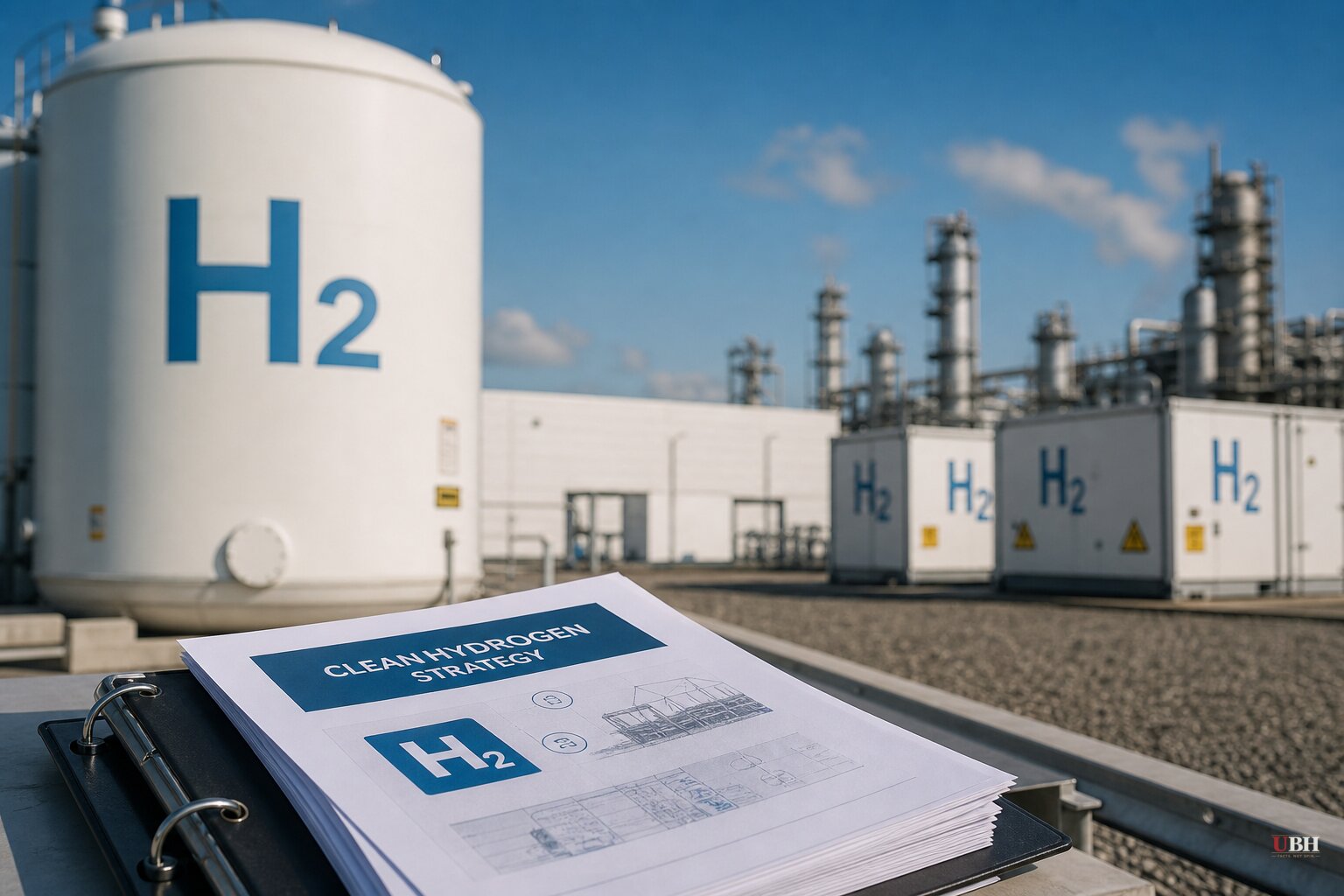
In June 2023, the Biden administration released the National Clean Hydrogen Strategy and Roadmap, pledging $9.5 billion for hydrogen projects across the country. The pitch was big: 100,000 new jobs by 2030 and a 10 percent cut in U.S. economy-wide emissions by 2050, according to the roadmap cited by The Epoch Times.
Three years later, hydrogen as a mainstream energy source remains an aspiration, not a market reality. Elon Musk, whose Tesla dominates the electric vehicle industry, has long dismissed hydrogen as a power source for cars, once calling the idea "mind-bogglingly stupid." His skepticism hasn't stopped Washington from continuing to bankroll the technology, but it captures the broader private-sector hesitation that has left many federally backed hydrogen ventures without paying customers.
Trump's Energy Department Hits the Brakes
The Trump administration has taken a notably colder view of the Biden-era hydrogen buildout than its predecessor. A review of proposed projects, according to reporting from RealClearInvestigations, found that many recipients were fledgling companies with no proven staying power, and in some cases were projects assembled mainly to capture money the Biden administration had already promised.
"We want to make sure that we support applications with a pathway to commercial viability," an Energy Department official told RealClearInvestigations. The official added the door isn't closed forever: "There might come a day when the technology changes and the math makes sense; we're not closing the doors on hydrogen forever."
This isn't a blanket kill order on hydrogen research. It's a demand that projects prove they can survive without a permanent taxpayer subsidy before more federal dollars go out the door. For an industry that has spent years talking about a hydrogen economy without building one, the administration sees this as a reasonable standard.
The Case for Staying In the Game
Frank Wolak, executive director of the Fuel Cell and Hydrogen Energy Association, argues the stakes go beyond domestic climate politics.
"The need for this industry is sound, there is a sense of global competitiveness and a need for action," Wolak told RealClearInvestigations. "As far as the U.S., we need to ask how are we going to use our resources to respond to this global activity?"
Wolak's concern raises a legitimate national-security and competitiveness question. If China and other major economies are pouring state resources into hydrogen infrastructure and the United States steps back entirely, American firms could find themselves locked out of a technology that eventually matures elsewhere, on someone else's terms. That's the same logic that has driven bipartisan support for domestic semiconductor and battery manufacturing in recent years.
But that argument cuts both ways. Spending $9.5 billion to keep pace with a rival is only smart policy if the money actually builds something that survives contact with a real market. Throwing federal dollars at companies that exist mainly to capture federal dollars, which is what the Trump administration's review reportedly found in some cases, doesn't advance American competitiveness. It just burns cash.
An Unsettled Bet
The central question isn't about hydrogen chemistry. It's whether the federal government should use taxpayer money to manufacture a market that the private sector, so far, has largely declined to build on its own.
Wolak and other hydrogen advocates say abandoning the field now cedes ground to China. The Trump Energy Department's position is that a technology with no clear commercial customers doesn't deserve billions in continued subsidy, no matter who else is spending on it.
What remains unresolved is concrete: RealClearInvestigations' reporting does not specify how many of the Biden-era hydrogen hub awards have been formally canceled versus merely paused for review, or what dollar amount of the original $9.5 billion has actually been spent to date. Until the Energy Department publishes a project-by-project accounting, states and companies that planned around those Biden-era commitments are left guessing whether their piece of the hydrogen strategy survives.
Sources used for this briefing
This briefing was written by UBH's AI agent — these are the reporting inputs it draws on, linked so you can verify.


